
When you encounter the abbreviation NP, your interpretation depends entirely on the context of the conversation. In a casual digital environment, the np meaning often shifts to a polite acknowledgment, whereas in a hospital or clinic setting, it denotes a highly trained medical professional.
Understanding these distinct spheres helps you avoid confusion during text exchanges or when reviewing healthcare documents. This article breaks down both the professional medical designation and the common shorthand, providing clarity on how these two very different concepts function in modern life.
Deciphering the Digital Meaning of NP
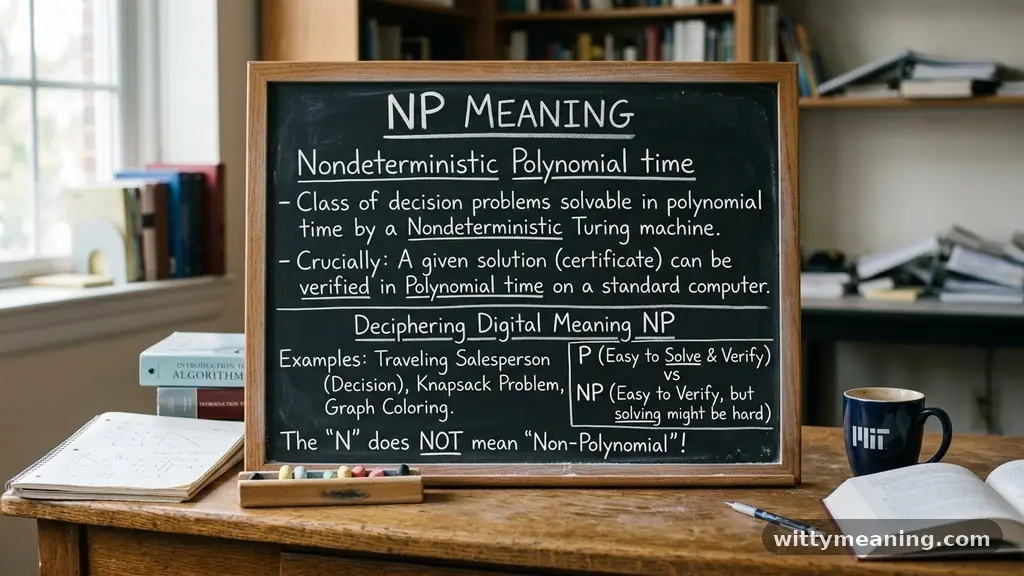
In the fast-paced world of text messaging and social media, brevity is the soul of communication. If you are chatting with a friend and they respond with just two letters, the np meaning is almost certainly a shorthand for no problem.
It is a classic piece of internet slang designed to save time while maintaining a friendly tone. By using this abbreviation, users signal that a request is easily handled or that an apology for a minor inconvenience is unnecessary.
This shorthand has become deeply embedded in digital culture because it is functionally efficient. When you are typing on a small smartphone screen, every character saved contributes to a more fluid exchange.
Unlike more complex acronyms, this particular term is universally understood across most English-speaking demographics. It bridges the gap between formal politeness and the relaxed pace of online interaction, serving as a quick, low-effort way to keep a conversation moving forward without needing to type out a full sentence.
The Role of a Nurse Practitioner in Healthcare
Transitioning from chat rooms to clinical practice, the np meaning takes on a significant professional weight as an abbreviation for Nurse Practitioner. A Nurse Practitioner is an advanced practice registered nurse who has completed graduate-level education, typically a Master of Science in Nursing or a Doctor of Nursing Practice. These professionals serve as vital components of the modern medical system, bridging the gap between traditional nursing care and the diagnostic responsibilities often associated with physicians.
The scope of practice for these providers is broad and varies by state and region. They are trained to assess patients, interpret diagnostic tests, and formulate treatment plans.
Because they hold advanced clinical training, they are often the primary point of contact for patients in rural or underserved areas. Their work is characterized by a strong emphasis on health promotion, disease prevention, and patient education, ensuring that those in their care receive holistic treatment that addresses both physical symptoms and lifestyle factors.
Education and Training Requirements
Becoming a qualified provider requires a rigorous academic and practical journey. After completing a bachelor’s degree in nursing and obtaining licensure, an individual must attend a graduate program to earn their advanced degree.
During these years, they undergo extensive clinical rotations that expose them to diverse patient populations and complex medical scenarios. This hands-on experience is non-negotiable, as it builds the critical thinking skills necessary to handle independent decision-making.
After graduation, candidates must pass a national board certification exam in their chosen specialty, such as family practice, pediatrics, or acute care. This certification is a testament to their competency and ensures that they meet a standardized level of knowledge before they begin practicing. Maintaining this status also requires ongoing professional development, ensuring that practitioners stay current with evolving medical guidelines, new pharmacological interventions, and updated electronic health records protocols.
Scope of Practice and Autonomy
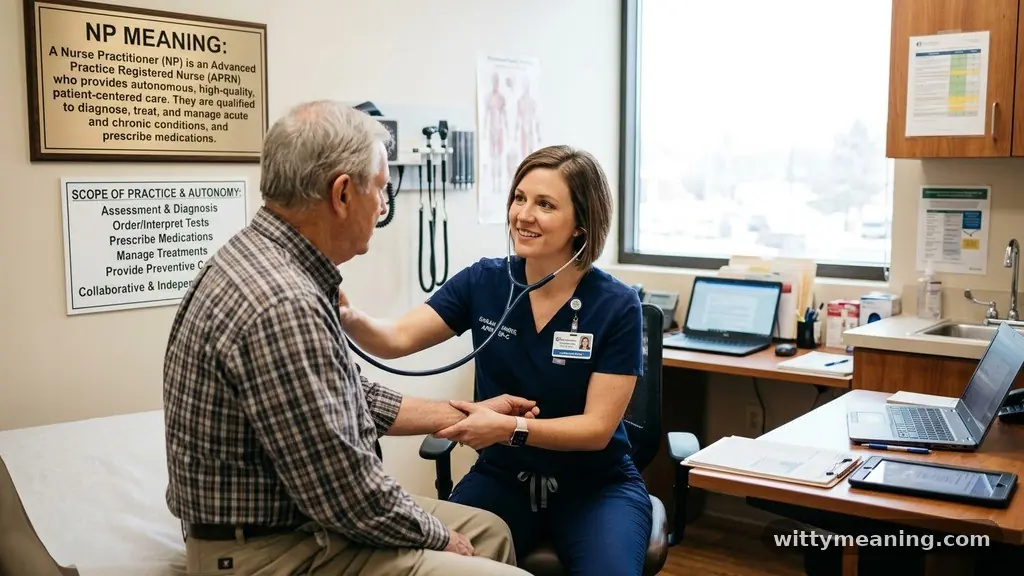
The level of autonomy granted to these practitioners often depends on state-specific legislation and collaborative agreements. In many jurisdictions, they work under a collaborative agreement with a physician, which outlines the parameters of the relationship and the types of cases that may require additional consultation. However, many states now grant full practice authority, allowing these clinicians to evaluate patients, order tests, and prescribe medications without direct physician oversight.
This evolution in the healthcare landscape has been driven by the need for accessible primary care. By allowing these professionals to practice to the full extent of their training, healthcare systems can expand their reach and reduce wait times.
Their ability to manage chronic conditions and provide preventative care is essential for improving patient outcomes. When you visit a clinic, you might find that your provider is just as capable of managing your long-term health needs as any other medical professional, thanks to their specialized training and clinical focus.
Comparison Between NPs and Physicians
A common point of confusion for patients involves the distinction between these advanced practice nurses and medical doctors. While both are essential members of a healthcare team, their training pathways and philosophical approaches differ.
Physicians typically complete medical school and a residency program, focusing heavily on pathology and invasive procedures. In contrast, the training for an advanced practice nurse is rooted in the nursing model, which emphasizes the patient’s experience and the broader context of their health.
Key Differences in Clinical Roles
| Feature | Nurse Practitioner | Medical Doctor |
|---|---|---|
| Primary Training | Nursing Model | Medical Model |
| Education Focus | Holistic Patient Care | Pathology & Diagnosis |
| Prescriptive Authority | Yes (State-dependent) | Yes |
| Collaborative Requirement | Variable by State | Usually Independent |
It is important to recognize that one is not inherently better than the other; rather, they serve different functions within the healthcare ecosystem. Many patients appreciate the bedside manner often associated with the nursing background, which tends to prioritize communication and patient education. Ultimately, the choice often comes down to the specific needs of the patient and the availability of providers within a specific network or practice.
Prescriptive Authority and Patient Care
One of the most powerful tools in a practitioner’s arsenal is their prescriptive authority. This legal power allows them to write prescriptions for medications, which is a critical aspect of managing everything from acute infections to chronic conditions like hypertension or diabetes. By having the ability to diagnose and treat, these providers ensure that patients do not face unnecessary delays in receiving the care they need.
The integration of these clinicians into primary care has significantly improved access to essential medications. Because they are often more accessible than specialists, they can initiate treatment plans quickly, monitor the patient’s response, and adjust dosages as necessary.
This continuity of care is vital for positive long-term results. For more details on how these regulations are structured, you can refer to the American Association of Nurse Practitioners, which provides comprehensive resources on the professional standards governing their practice.
The Rise of Nurse-Led Clinics
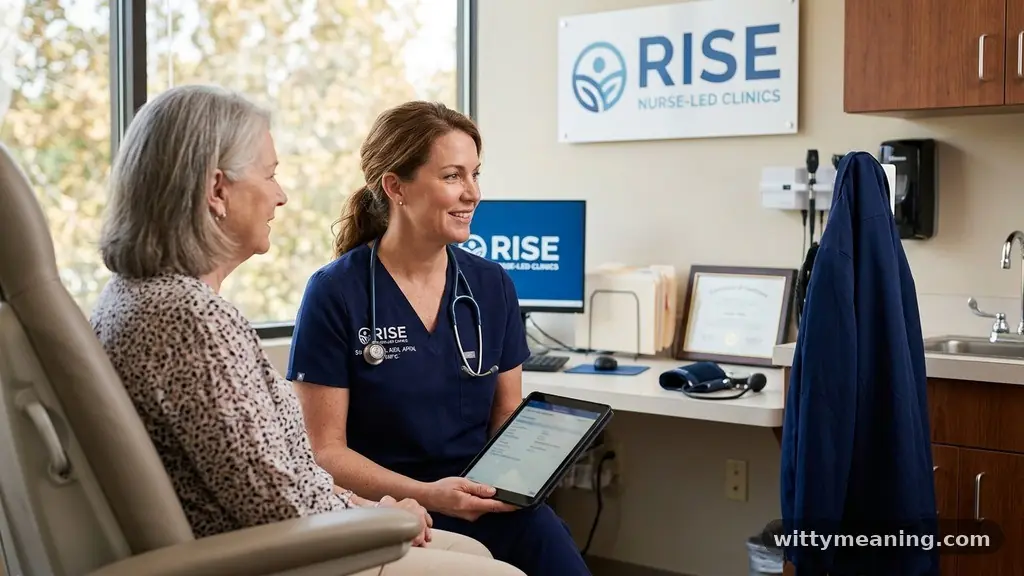
The emergence of nurse-led clinics represents a shift in how we approach community health. These facilities are managed and staffed by advanced practice nurses, providing a space where they can exercise their full autonomy. By removing the traditional hierarchical barriers, these clinics often prove more efficient at addressing the specific demographic needs of their local populations.
These clinics are particularly effective in areas where traditional hospital systems are overcrowded or geographically inaccessible. They offer a range of services, including routine physicals, management of chronic illness, and urgent care for minor injuries. The focus remains on accessibility and quality, proving that when highly skilled professionals are given the space to lead, the standard of care remains exceptionally high.
Telehealth and the Modern Medical Landscape
With the rise of digital medicine, the role of the healthcare provider has extended into the virtual space. Telehealth has become a standard method for delivering care, and these practitioners are at the forefront of this transition. They use video conferencing and secure messaging platforms to consult with patients, review medical history, and provide guidance on symptoms from afar.
This digital shift has made healthcare more convenient for patients with mobility issues or those living in remote locations. It also allows for more frequent check-ins, which is crucial for patients managing complex health conditions. The flexibility afforded by telehealth is a major win for patient care, as it removes the logistical hurdles that often lead to missed appointments or delayed treatments.
Addressing Common Misconceptions
Many people mistakenly believe that a practitioner is merely a “doctor in training” or a secondary assistant. This could not be further from the truth.
They are independent, licensed professionals with a distinct set of responsibilities and a unique educational background. Their role is not to replace the physician but to complement the medical team, ensuring that all aspects of a patient’s health are addressed thoroughly.
Another common myth is that they lack the authority to diagnose or treat serious conditions. In reality, their training is quite specialized, and they are fully capable of managing complex medical issues within their scope of practice. When a condition falls outside their specialized field or requires surgery, they work closely with specialists to ensure the patient receives the appropriate level of intervention, maintaining a collaborative approach that puts the patient’s safety first.
Topical Gaps: Addressing the Nuance of NP
One area that often remains unclear in general discussions is the distinction between different types of certifications. A nurse practitioner might specialize in psychiatric-mental health, which involves a significantly different set of clinical rotations compared to one specializing in neonatal care. Understanding these sub-specialties is crucial for patients seeking the right type of care for their specific needs.
Additionally, the variation in state laws creates a fragmented landscape that can be confusing for patients who move across state lines. It is helpful to understand that while the term remains the same, the actual legal capacity of the practitioner might change depending on the state’s legislative environment. Being aware of these regional differences can help you better understand why a provider in one state might be able to prescribe certain medications while a colleague in another state might require a different level of oversight.
FAQ
What does NP mean in a chat message?
In the context of text messaging and casual online communication, NP is an abbreviation for no problem. It is a common, polite way to acknowledge a request or dismiss an apology, serving as a quick and efficient shorthand in digital conversations.
Is a Nurse Practitioner considered a doctor?
No, a Nurse Practitioner is not a medical doctor. They hold an advanced nursing degree, such as a Master or Doctorate of Nursing Practice, which is a different educational track than medical school. However, they are highly trained clinicians who can diagnose and treat patients.
What is the primary role of a Nurse Practitioner?
The primary role of a Nurse Practitioner is to provide high-quality, patient-centered care. This includes performing physical exams, ordering and interpreting tests, diagnosing illnesses, and prescribing medications. They focus heavily on health education and preventative care to improve long-term patient outcomes.
How do I know if I should see a NP?
You can see a Nurse Practitioner for most primary care needs, including annual checkups, managing chronic conditions, and treating acute illnesses like colds or infections. They are fully qualified to serve as your primary healthcare provider and can coordinate care with specialists if needed.
Final Thoughts
Whether you are deciphering a quick text from a friend or evaluating your options for medical care, understanding the different meanings of NP is a practical skill. In the digital realm, it is a simple tool for maintaining social flow, while in the clinical world, it represents a dedicated professional committed to your well-being.
By recognizing these contexts, you can communicate more effectively and make informed decisions about your health. If you have questions about your specific provider’s qualifications or the scope of their practice, don’t hesitate to ask them directly during your next appointment; they are there to help you navigate your healthcare journey with confidence and clarity.