

When you jump into a virtual world, you might notice people talking about different ways to play, and understanding exactly what PvE mean in gaming is the first step toward mastering these digital landscapes. At its core, the term stands for Player versus Environment, describing a style of play where you focus on overcoming challenges programmed by the developers rather than competing against other human beings. Whether you are exploring a vast map, fighting computer-controlled monsters, or completing intricate story missions, you are engaging with game systems designed to test your skills against the machine.
This mode of play forms the backbone of countless titles, ranging from massive online experiences to intimate, solitary journeys. By focusing on the interaction between a player and the game’s internal logic, this format allows for deep immersion, structured storytelling, and the kind of long-term progression that keeps people coming back for years. If you have ever wondered why certain games feel more like a collective effort than a cutthroat competition, learning about the mechanics behind this style will clarify exactly how these experiences are built to challenge and reward you.
Defining the Core of Player versus Environment

The fundamental definition of Player versus Environment centers on the relationship between a user and the game’s internal systems. Unlike competitive formats where human unpredictability is the primary obstacle, this mode relies on AI enemies and scripted events to provide resistance. These challenges are purposefully designed by developers to lead you through a curated experience, ensuring that your path from a novice to a master feels earned and satisfying.
Because the threats in these scenarios are governed by code, they follow specific patterns. You learn to read the room, recognize telegraphs from a boss, and understand the limitations of the computer’s logic.
This creates a unique mental space where you aren’t just reacting to a person but deciphering the rules of a world. It is a dance between your reflexes and the game’s design, where the goal is to master the environment rather than outwit a living opponent.
The Role of AI Enemies and NPC Interactions
One of the most important components of any PvE-focused title is the quality and variety of its non-player characters. These entities act as the primary source of conflict, whether they are simple grunts blocking your path or complex boss encounters that require intense concentration.
The sophistication of enemy AI behavior dictates how “alive” a world feels. When enemies flank you, use cover, or coordinate their attacks, the experience shifts from a mindless button-mashing session to a strategic engagement.
Beyond combat, NPCs serve as the narrative anchors for your journey. They provide context, drive the story forward, and often act as the gatekeepers for your next set of objectives.
Engaging with a well-written character can be just as rewarding as winning a difficult fight. In many cases, the way developers program these characters to react to your presence creates a sense of agency, making you feel like a meaningful participant in a persistent world rather than just a visitor passing through.
Progression Systems and the Loop of Growth
Most titles that emphasize this style of play are built around robust progression systems. You don’t just exist in the world; you grow within it. This often manifests through skill trees, character leveling, and the acquisition of increasingly powerful gear.
This loop is essential because it provides a tangible metric for your success. As you defeat stronger enemies, you earn the resources necessary to tackle even greater threats, creating a satisfying cycle of improvement that keeps you invested in your character’s long-term development.
This growth isn’t just about bigger numbers. It is about unlocking new ways to interact with the game. A high-level character in a deep RPG might have access to abilities that completely change how they approach a standard encounter.
This sense of power fantasy is a massive draw for the genre, as it allows you to look back at early-game obstacles and realize how far you have come. The game isn’t just getting easier; you are becoming more capable of manipulating its systems to your advantage.
Dungeon Crawling and Raid Encounters
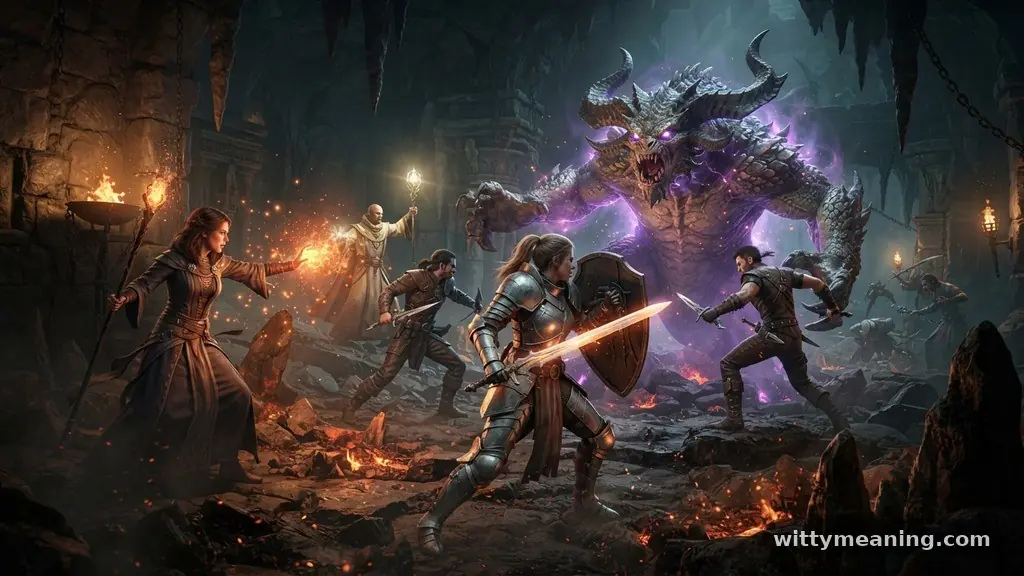
If you want to understand the peak of cooperative challenge, look no further than dungeon crawling and large-scale raid encounters. These are the crucibles of the genre, where groups of players must coordinate their efforts to overcome massive hurdles. A raid is rarely a solo endeavor; it requires specific roles, such as tanks to absorb damage, healers to keep the team alive, and damage dealers to bring down the boss.
These encounters often feature complex boss mechanics that require perfect timing and communication. One mistake by a single player can lead to a wipe, which is why these activities are often considered the ultimate test of teamwork.
You aren’t just fighting the boss; you are fighting the clock, the environment, and the limitations of your team’s coordination. It is a high-stakes environment that fosters community and requires a deep understanding of the game’s mechanics to succeed.
The Appeal of Multiplayer Cooperative Play
While many people enjoy the solitary nature of a single-player campaign, multiplayer cooperative play introduces a social layer that changes the dynamic entirely. When you team up with friends or strangers to accomplish a goal, you aren’t just playing a game; you are building a shared memory. The coordination required to navigate a difficult quest or take down a world boss creates bonds that are difficult to replicate in other forms of entertainment.
This social aspect is a massive driver for the popularity of the genre. Many people prefer the camaraderie of working together toward a common goal rather than the stress of constant competition.
In this environment, you are rewarded for helping others, sharing resources, and optimizing your team’s composition. It turns the game into a social hub where your contributions are valued and your presence makes a tangible difference in the success of the group.
PvE vs PvP: Understanding the Fundamental Differences
To truly grasp the landscape of modern gaming, you have to look at the contrast between PvE vs PvP. While one focuses on mastering the game’s rules to overcome computer-controlled threats, the other focuses on the unpredictable, high-pressure environment of human-versus-human combat. The following table highlights the core differences that define these two primary modes:
| Feature | PvE Focus | PvP Focus |
|---|---|---|
| Primary Opponent | AI Enemies / Environment | Human Players |
| Predictability | High (Pattern-based) | Low (Strategy-based) |
| Social Goal | Cooperation / Support | Competition / Domination |
| Pacing | Curated / Narrative | Rapid / Reactive |
Understanding these differences helps you decide what kind of experience you are looking for on any given day. Sometimes you want the chill, methodical pace of a quest-driven world, and other times you crave the adrenaline spike that only comes from outplaying another person. Most major games today offer a mix of both, giving you the freedom to switch between these modes depending on your mood.
Environmental Hazards and Tactical Combat
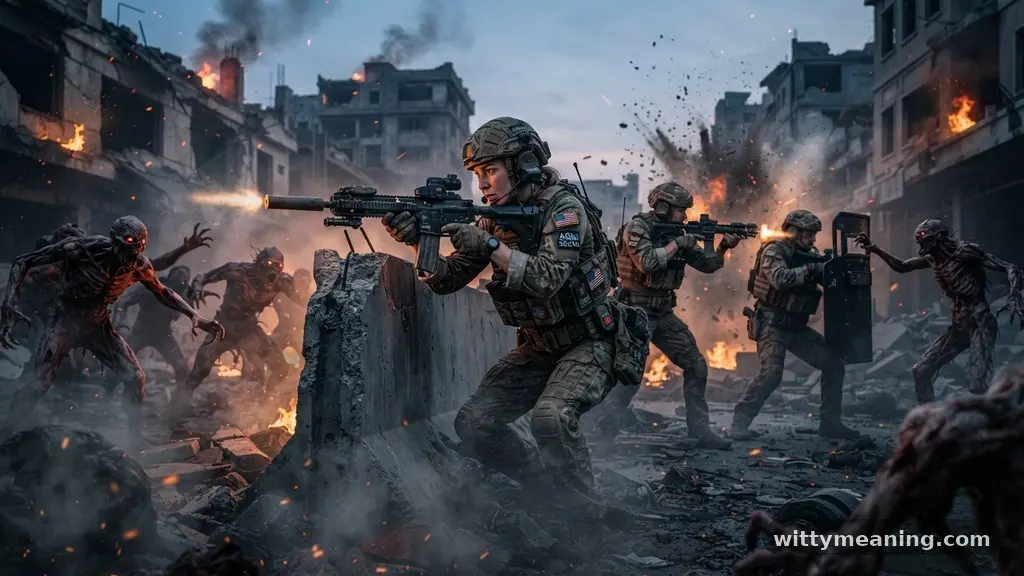
The environment itself is often an antagonist in well-designed titles. Beyond just fighting monsters, you have to contend with environmental hazards that can change the flow of a battle.
This might include shifting terrain, traps that activate during a fight, or weather effects that limit your visibility. These elements force you to remain vigilant and adapt your strategy on the fly, ensuring that even a standard encounter remains engaging.
This leads to a style of tactical combat that rewards planning and spatial awareness. You aren’t just standing in one place firing at a target; you are maneuvering around the battlefield, using cover, and timing your abilities to exploit the environment.
When you combine these hazards with intelligent enemy behavior, the game becomes a complex puzzle that you must solve in real-time. It is this depth that separates a mediocre game from a truly memorable one.
Sandbox Survival and Persistent Worlds
In the realm of sandbox survival games, the definition of the environment shifts. Here, the world is often a neutral, sometimes hostile force that you must tame.
You start with nothing and spend your time gathering resources, building shelters, and crafting tools to survive. These games often take place in persistent worlds, meaning the environment continues to change and evolve even when you aren’t logged in.
The appeal here is one of total immersion. You aren’t just following a quest marker; you are deciding your own path. Do you want to build a massive fortress, explore the deepest caves, or focus on taming the local wildlife?
The game gives you the tools, and the environment provides the obstacles, but the story is entirely yours to write. It is a testament to how flexible the “player versus environment” concept can be when developers give users the keys to the kingdom.
Common Activities in Persistent Worlds
If you are looking to get started, there are several staple activities that define the experience across almost every major title. Whether you are playing a fantasy RPG or a space-faring adventure, these core loops remain remarkably consistent:
- MMO questing: Following a chain of story-driven tasks that introduce you to the world and its inhabitants.
- Gear farming: Repeatedly engaging with specific challenges to earn rare equipment and improve your character’s stats.
- Open-world exploration: Traveling to uncharted areas to discover secrets, hidden bosses, and unique resources.
- RPG mechanics: Managing your character’s build, talent points, and equipment to optimize your effectiveness in combat.
- Quest objectives: Focusing on specific goals like gathering items, escorting characters, or clearing out enemy strongholds.
These activities provide a sense of structure. Even in the most open-ended games, you need these systems to provide direction.
By participating in these loops, you aren’t just playing; you are building a legacy within the game world. You can find more information about how these systems function in professional game design by reviewing the industry standards for player engagement, which detail how developers balance challenge and reward.
Addressing Topical Gaps in Gaming Terminology
A common point of confusion for new players is how these terms apply to specific, popular titles. For example, people often ask what PvE means in the context of games like Minecraft or Pokemon Go.
In Minecraft, the “environment” is the survival mode where you manage hunger, health, and fight off zombies or skeletons at night. In Pokemon Go, it refers to raiding legendary Pokemon with other players or taking on team leaders.
The term is essentially a lens through which you can view any game’s design. If the game is asking you to solve a problem that the developers created, you are playing PvE.
This includes everything from the simple puzzles in a platformer to the complex, multi-stage raids in a massive online game. Recognizing this helps you identify which games prioritize the experience of discovery and growth versus the experience of human-vs-human rivalry.
FAQ
Is PvE always easier than PvP?
Not necessarily. While human opponents are unpredictable, high-level PvE content like raids or boss encounters can be significantly more difficult than fighting average players. These encounters are designed to be “hard mode” challenges that require perfect execution and deep knowledge of the game’s mechanics to conquer.
Can I play PvE games by myself?
Yes, many titles are designed specifically for solo play. While some games offer cooperative features, you can often experience the entire story, level your character, and reach the endgame content entirely on your own. Many players prefer this solitary experience to enjoy the narrative at their own pace.
Why is gear farming so important in PvE?
Gear farming is the primary way you track your progression. Because the enemies in these games get stronger as you advance, you need better equipment to keep up. Collecting gear allows you to specialize your character, making it easier to take on more difficult content as you continue your journey.
Does PvE include puzzle games or platformers?
Yes, any game where you are overcoming challenges set by the game code is technically a form of player-environment interaction. Even if there is no combat, navigating a platforming level or solving a logic puzzle falls under this umbrella, as you are testing your skills against the developer’s design.
Conclusion
Understanding what PvE mean in gaming opens up a massive library of titles that focus on discovery, character growth, and cooperative achievement. By shifting the focus from defeating other people to mastering the systems of a virtual world, you gain access to some of the most rewarding experiences in the industry. Whether you are tackling a massive raid with friends or building a home in a survival sandbox, the core appeal remains the same: the satisfaction of overcoming a challenge that was meticulously crafted just for you.
As you explore new games, keep an eye out for these mechanics to see how they shape your experience. If you enjoy the feeling of getting stronger and working toward a long-term goal, you will likely find yourself gravitating toward these types of games time and again. Feel free to dive in, experiment with different classes or builds, and see which type of environment-based challenge resonates most with your personal playstyle.