
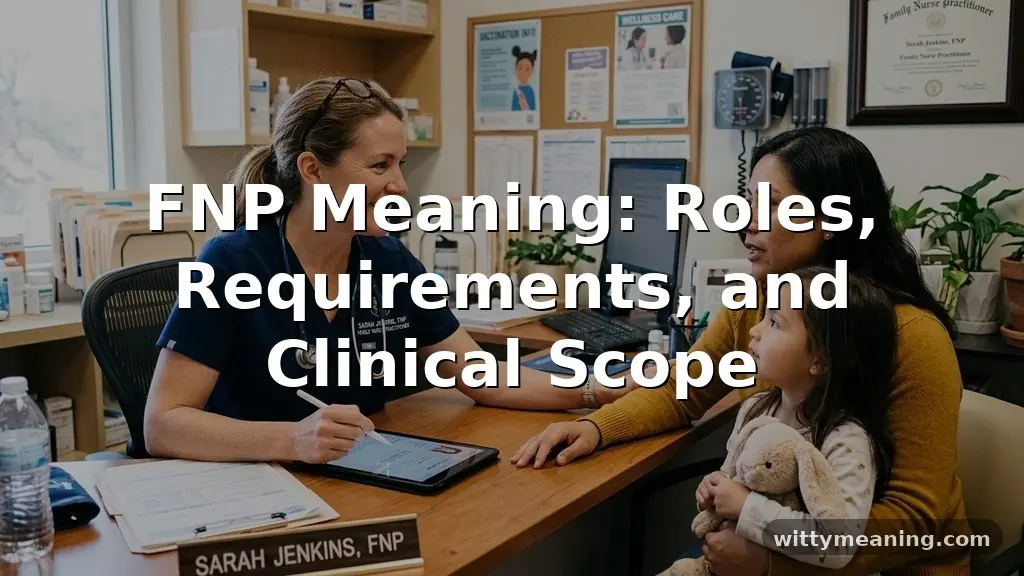

When you look into the fnp meaning, you are essentially exploring one of the most versatile and essential roles in modern medicine. A Family Nurse Practitioner acts as a vital link between patients and complex healthcare systems, providing comprehensive care across a person’s lifespan.
Whether you are a student considering a graduate degree or a patient curious about who is managing your care, understanding how these professionals function is key to navigating the medical landscape. They bridge the gap between traditional nursing care and the diagnostic responsibilities typically associated with physicians.
Defining the Role of a Family Nurse Practitioner
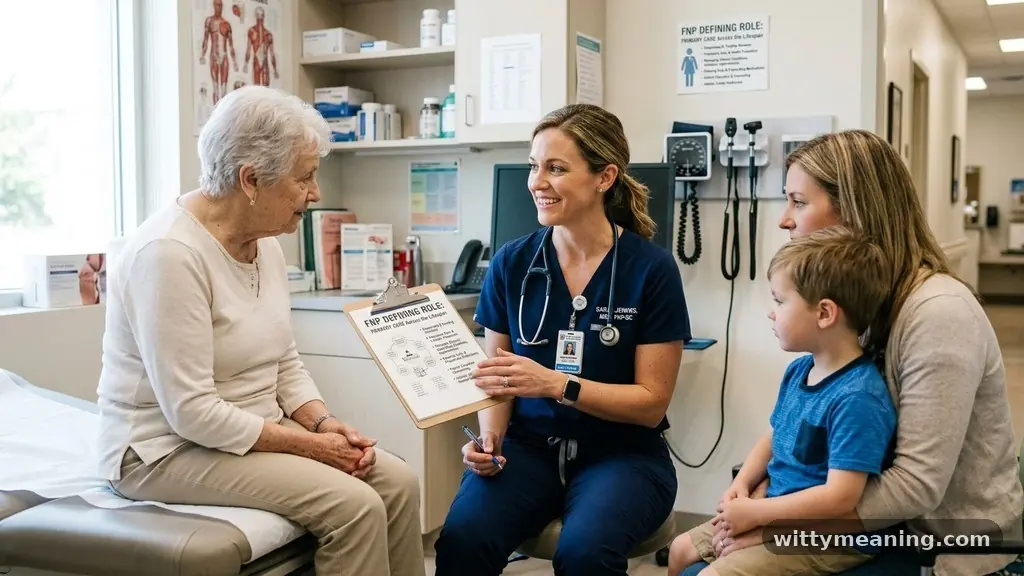
At its core, the fnp meaning refers to an advanced practice registered nurse (APRN) who has completed specialized graduate-level education to provide primary care. Unlike nurses who focus on a specific organ system or a narrow age group, these professionals are trained to treat the entire family unit. They work in various settings, from rural clinics and private practices to urgent care centers and hospitals.
Their primary mission involves health promotion and disease prevention. By monitoring patients over time, they build long-term relationships that allow for a more holistic view of an individual’s health status. Because they operate under a model that emphasizes patient education and preventative wellness, they often spend more time counseling patients on lifestyle changes than providers restricted by shorter, strictly procedural visits.
Education and Licensure Requirements
To practice as a Family Nurse Practitioner, one must first be a registered nurse. The path involves earning a Master of Science in Nursing (MSN) or a Doctor of Nursing Practice (DNP) from an accredited program. During these programs, students engage in intense clinical rotations, gaining hands-on experience under the supervision of experienced mentors.
After graduation, clinicians must pass a national certification exam to earn their credentials. The most common certifications are the FNP-BC (Board Certified through the American Nurses Credentialing Center) or the FNP-C (Certified through the American Academy of Nurse Practitioners).
These credentials prove that the practitioner has met rigorous national standards for their knowledge base and clinical skills. Maintaining these certifications requires ongoing continuing education, ensuring that providers stay current with the latest medical research and treatment guidelines.
The Scope of Practice and Clinical Authority
The nurse practitioner scope of practice varies significantly depending on the state where they work. Some states allow for full independent practice, meaning the practitioner can diagnose, treat, and prescribe medication without direct physician oversight. In other regions, they operate under a collaborative practice agreement, which outlines the relationship between the nurse practitioner and a supervising physician.
Regardless of the regulatory environment, their daily tasks remain consistent. They are responsible for patient assessment, which includes taking medical histories, performing physical exams, and ordering appropriate diagnostic tests.
They interpret these results to form a treatment plan. This autonomy is what makes the profession attractive to many nurses who want to take on higher levels of responsibility while maintaining the patient-centered philosophy of nursing.
Management of Chronic and Acute Illness
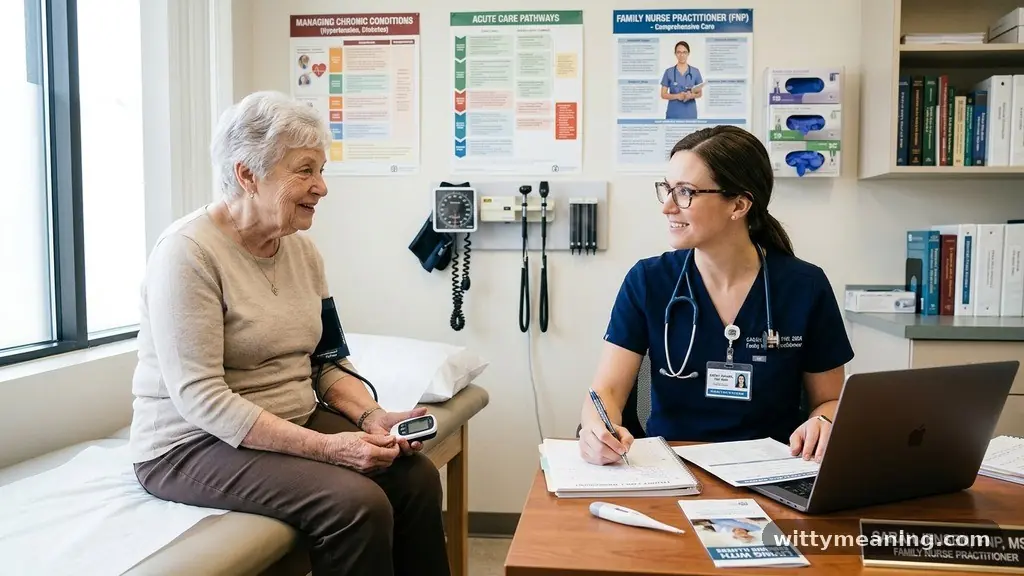
A significant portion of an FNP’s workload involves chronic disease management. Patients with conditions such as hypertension, diabetes, or asthma rely on these providers for routine check-ups and medication adjustments. By managing these long-term issues, they help prevent complications that could lead to hospitalizations.
In addition to chronic issues, they are often the first line of defense for acute illness. When a patient walks into a clinic with a sudden fever, a persistent cough, or a minor injury, the Family Nurse Practitioner is usually the one who performs the initial evaluation.
They determine whether the issue can be managed on-site or if a referral to a specialist is necessary. You can find detailed information on the standards for these roles through the American Nurses Association.
Diagnostic Testing and Prescriptive Authority
One of the most critical aspects of the job is the ability to order and interpret diagnostic testing. Whether it is blood work, X-rays, or specialized imaging, the practitioner uses this data to confirm a diagnosis. They are trained to know which tests are necessary and cost-effective for a given set of symptoms, which helps reduce unnecessary medical expenses for the patient.
Furthermore, they possess prescriptive authority in all fifty states. This means they can write prescriptions for medications, ranging from antibiotics for infections to chronic disease medications like insulin or blood pressure stabilizers. This authority allows them to provide complete care during a single office visit, streamlining the experience for the patient and reducing the wait time for treatment.
Comparing the FNP to Other Healthcare Providers
Patients often wonder how these professionals compare to other members of the care team. While a physician assistant (PA) also works in primary care, their training is rooted in the medical model, which is typically faster-paced and focused on pathology. In contrast, the nursing model, which guides the FNP, places a heavier emphasis on the patient’s psychosocial needs and overall well-being.
The table below highlights some of the key differences between these roles:
| Feature | Family Nurse Practitioner | Physician Assistant |
|---|---|---|
| Educational Model | Nursing Model | Medical Model |
| Focus | Wellness/Patient Education | Disease Pathology |
| Licensure | Board Certified (APRN) | NCCPA Certified |
| Scope | Primary Care/Specialty | Variable/Collaborative |
The Role of Telehealth in Modern Practice
The rise of telehealth has fundamentally changed how many Family Nurse Practitioners interact with their patients. Remote consultations allow them to monitor chronic conditions without requiring the patient to travel, which is particularly beneficial for those in rural or underserved areas. During a virtual visit, the practitioner can review lab results, discuss symptoms, and adjust treatment plans effectively.
This shift has also expanded the patient population that these providers can reach. By removing geographical barriers, they can provide support to people who previously had limited access to medical care. The ability to use digital tools for monitoring health metrics has made it easier than ever for practitioners to maintain consistent communication with their patients.
Addressing Misconceptions About the Role
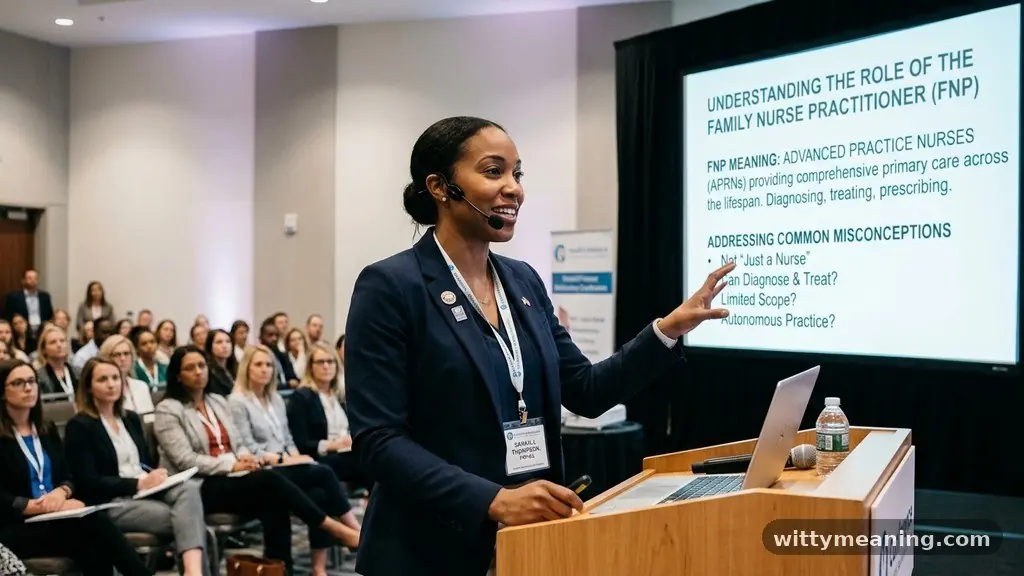
A common question is whether an FNP is a “doctor.” The answer is that they are not medical doctors (MDs or DOs), but many hold a Doctor of Nursing Practice degree.
It is important to distinguish between the clinical title and the academic degree. Regardless of their specific degree level, they are highly qualified healthcare providers who are legally authorized to function as independent or semi-independent clinicians.
Another misconception is that their care is somehow of a lower quality than that of a physician. Extensive research has consistently shown that patient outcomes for those managed by nurse practitioners are comparable to, and in some cases better than, those managed by physicians, particularly in primary care settings. Their focus on education and patient compliance often leads to better long-term health management.
Career Path and Residency Programs
Many new graduates now opt for a residency program after finishing their degree. These programs provide a bridge between academic training and full-time clinical practice. They offer a supported environment where new providers can see a high volume of patients while having immediate access to senior preceptors for guidance on complex cases.
This extra year of training is becoming increasingly popular. It helps build confidence and clinical efficiency, making the transition into a permanent role much smoother. For those looking to specialize further or work in highly complex environments, these residencies act as a catalyst for professional growth and skill acquisition.
Integration of Healthcare Services
The integration of these practitioners into the broader healthcare system has been a major factor in addressing the national shortage of primary care providers. Because their training takes less time than a traditional medical residency, they can enter the workforce and begin seeing patients more quickly. Their presence is essential for maintaining the stability of community health centers and private practices alike.
They also play a key role in advocating for patient needs. By participating in policy discussions and clinical committees, they ensure that the patient’s voice is heard in the development of care protocols. Their unique perspective as both nurses and primary care providers allows them to see the system from multiple angles, leading to more practical and compassionate healthcare solutions.
FAQ
What is the difference between an FNP-BC and an FNP-C?
Both designations indicate that the practitioner is board-certified. The FNP-BC is granted by the American Nurses Credentialing Center (ANCC), while the FNP-C is granted by the American Academy of Nurse Practitioners (AANP). Both are recognized nationally as valid, high-level credentials for family nurse practitioners.
Can a Family Nurse Practitioner order an MRI?
Yes, they can order MRIs and other diagnostic imaging tests such as CT scans and ultrasounds. As part of their diagnostic responsibilities, they assess the clinical necessity of these tests and use the results to guide the management of the patient’s condition.
Do I need to see a doctor if I have an FNP?
For most primary care needs, an FNP can manage your health entirely. You would only need to see a physician if your condition requires specialized surgical intervention or complex care that falls outside the scope of primary practice, at which point the FNP would provide a referral.
Is the fnp meaning the same as a general practitioner?
While their clinical roles overlap, a general practitioner is typically an MD or DO. An FNP is an advanced practice nurse. Both provide primary care, but their educational background, regulatory oversight, and philosophical approach to patient health differ based on their specific training models.
Refining Your Understanding of Clinical Care
Understanding the fnp meaning is about recognizing the high level of expertise and dedication these professionals bring to the table. From managing chronic illnesses to providing essential primary care, they are indispensable members of the medical community. Whether you are seeking a career in this field or simply evaluating your own healthcare options, knowing the breadth of their capabilities helps clarify the value they provide.
As the demand for primary care continues to grow, the role of these practitioners will only become more significant. They offer a unique blend of nursing compassion and medical diagnostic skill that improves outcomes for countless individuals. If you have further questions or want to learn about the specific requirements in your state, checking with local professional nursing organizations is an excellent next step to take.