


When someone describes an outfit, a video, or an achievement as “tuff,” they are rarely referring to the physical durability of the object. Instead, they are participating in a linguistic shift where tuff has evolved from a simple misspelling of “tough” into a nuanced piece of internet slang.
If you have spent any time on TikTok or scrolling through Instagram captions lately, you have likely encountered this term used to convey approval, respect, or a sense of aesthetic superiority. Understanding what this tuff means requires looking beyond the dictionary and diving into the fast-paced world of youth linguistics, where words are constantly repurposed to suit the needs of a digital generation.
The Linguistic Evolution of Tuff

At its core, the word “tuff” is a phonetic variation of “tough,” but its current usage in urban vernacular carries a distinct positive connotation that its predecessor lacked. While “tough” traditionally describes something rigid, difficult to break, or physically intimidating, “tuff” has been reclaimed to describe something that is inherently impressive or visually striking. This evolution is a classic example of how slang evolution works: a word is plucked from standard English, modified slightly in spelling to reflect a specific cultural subtext, and then adopted by a community to signal group identity.
In the mid-20th century, particularly through works like S.E. Hinton’s The Outsiders, the term “tuff” was used to describe something cool or stylish. Characters in that era used it to signify that something was high-quality or desirable.
Today, Gen Z has effectively resurrected this usage, stripping away the 1960s greaser subculture baggage and replacing it with a modern sensibility that blends street credibility with high-fashion aesthetic. When a teenager today says something is “tuff,” they aren’t saying it is hard; they are saying it is excellent, well-executed, or possesses an undeniable “cool factor” that demands attention.
Tuff in the Context of Social Media Trends
The rise of social media trends has accelerated the spread of “tuff” across global digital platforms. On apps like TikTok, the term is frequently used in comment sections to validate content that exhibits high production value, a unique style, or a bold personality.
Because TikTok terminology often relies on brevity, “tuff” serves as a high-impact, one-word endorsement. It is a way for viewers to express that a video, a fit-check, or a transition was performed with such precision that it deserves recognition.
This usage is particularly prevalent in influencer culture, where the visual presentation of one’s life is paramount. If an influencer posts a photo of a new outfit, a follower might comment “that fit is tuff.”
This is not an insult regarding the fabric; it is a high-level compliment indicating that the outfit is stylish, well-coordinated, and reflects a strong sense of personal brand. By using this specific term, the commenter aligns themselves with current internet slang, showing they are “in the know” regarding modern linguistic patterns.
Distinguishing Tuff from Tough
To avoid confusion, it is helpful to look at how the two words function differently in a sentence. While “tough” remains a functional adjective for difficulty, “tuff” functions almost exclusively as a superlative for style or impact. The following table highlights the primary differences in how these terms are perceived and applied in contemporary communication.
| Feature | Tough | Tuff |
|---|---|---|
| Primary Meaning | Resilient or difficult | Impressive or stylish |
| Context | Formal or physical | Casual or social |
| Connotation | Neutral to negative | Almost always positive |
| Usage Frequency | High (standard English) | High (slang/social media) |
As shown in the table, the shift from “tough” to “tuff” represents a transition from a word describing structural integrity to a word describing social status and visual appeal. When you are writing a texting abbreviation or a quick comment on Snapchat, using “tuff” signals that you are tuned into the nuances of digital culture, whereas using “tough” in the same context would likely be misinterpreted as a literal comment on the hardness of an object.
Why Gen Z and Youth Culture Adopted the Term
The adoption of “tuff” by Gen Z is part of a broader trend of linguistic recycling. Younger generations have a penchant for taking older, slightly dated, or standard English terms and re-contextualizing them to fit a modern digital framework.
This process creates a barrier to entry; if you don’t understand the nuance of how “tuff” is used, you are clearly an outsider to the specific online community where the term is thriving. This creates a sense of belonging among those who use it correctly.
Furthermore, the term “tuff” aligns with the current obsession with resilience and “grind” culture. While the word means “cool,” it carries a lingering phonetic connection to “toughness,” which implies that the person or thing being described has earned their status. It suggests a kind of effortless grit.
When a piece of music, a sneaker drop, or a piece of digital art is called “tuff,” it implies that it has a level of substance that commands respect. It isn’t just “pretty”; it has a weight to it. This combination of aesthetic appeal and perceived substance is what makes the term so sticky in the minds of young digital natives.
Tuff in Texting and Messaging Apps
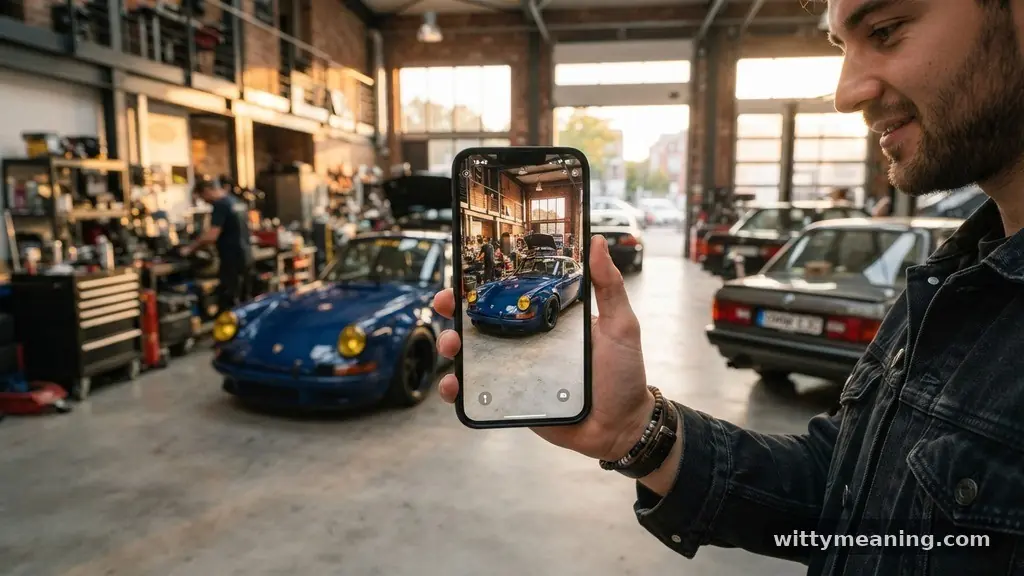
When discussing texting abbreviations, it is important to note that “tuff” is often used as a standalone response. If a friend sends you a photo of a project they just finished or a new car they purchased, replying with a simple “tuff” is a high-level sign of approval. In Snapchat culture, where space is limited and interactions are rapid, “tuff” acts as a shorthand for “That looks incredibly impressive and I respect the effort you put into it.”
This usage also extends to the way people communicate their own lives. Posting a gym selfie with the caption “tuff” is a way of signaling that you are working hard and that your results are starting to show.
It creates a narrative of self-improvement that is filtered through the lens of urban vernacular. The brevity of the word allows it to function in almost any digital space without requiring a long-winded explanation, which is why it has become a staple of modern digital communication.
The Role of Street Credibility and Aesthetic
At the heart of the word “tuff” is the concept of street credibility. In many urban environments, being “tuff” was a measure of how well one could handle conflict.
By shifting the meaning of the word into the realm of aesthetic, modern users have essentially taken the respect associated with “toughness” and applied it to “style.” If your look is “tuff,” it means you have a certain air of authority and confidence that others find intimidatingly cool.
This intersection of style and authority is exactly what makes the term so popular in influencer culture. Influencers often try to curate an image that is both accessible and aspirational.
By labeling their content or their lifestyle as “tuff,” they are telling their audience that they are not just following trends, but setting them with a degree of grit. It is a way to frame their personal brand as something that is not to be messed with, adding a layer of edge to their online presence that resonates with a younger, trend-conscious demographic.
Addressing Topical Gaps: Why Other Definitions Fall Short
Many sources define “tuff” simply as a rock type—a volcanic rock made of ash—or as a misspelling of “tough.” While these definitions are technically accurate, they fail to capture the cultural origins and the specific, modern usage that dominates the internet today. To truly understand the term, one must recognize that “tuff” is a living, breathing entity within youth linguistics.
* It is not a spelling error; it is a stylistic choice.
* It is not a synonym for “hard”; it is an adjective for “excellent.”
* It is not limited to physical objects; it describes vibes, music, and social status.
* It is a cultural marker that separates those who are integrated into current trends from those who are not.
By ignoring the social context, traditional dictionaries and outdated slang guides miss the point entirely. The term is not just about the word itself; it is about the community that uses it to build social currency. Whether it is being used to praise a fit-check or a new music video, “tuff” is fundamentally about the social validation of excellence.
Historical Context and Cultural Origins
The journey of the word “tuff” is a fascinating study in how language travels through time. While its roots in s pop culture and literature like The Outsiders provided the initial spark, its current popularity is largely due to the cyclical nature of fashion and slang.
The 1960s aesthetic has seen a massive resurgence in recent years, and with it came the vernacular of that era. However, this is not a carbon copy of the past.
Today’s usage is filtered through the lens of the internet. The historical context is there, but the application is entirely new. It is a blend of old-school “cool” and new-school “digital clout.”
When you see “tuff” being used today, you are seeing a synthesis of generations. It is a rare example of a term that has managed to bridge the gap between mid-century literature and modern social media, proving that words are never truly static; they are always waiting for a new generation to give them a new life.
Common Misconceptions About the Term
One of the biggest misconceptions about “tuff” is that it is a sign of poor education or a lack of vocabulary. In reality, the use of “tuff” is a deliberate choice. It is a form of linguistic play.
Using the word correctly requires an understanding of social cues and timing, which is a complex skill in its own right. People who use “tuff” are often highly aware of the connotations they are invoking, using it to signal their membership in a specific cultural group.
Another misconception is that it can be used interchangeably with “tough” in every scenario. If a teacher asks you to describe a difficult exam, saying the exam was “tuff” would be incorrect because it implies the exam was “cool” or “stylish.”
The word has a specific lane, and staying within that lane is what keeps the slang effective. It is a tool of expression, and like any tool, it must be used for the right job to be effective.
FAQ Section
Is using the word tuff considered grammatically incorrect?
In formal writing, yes, “tuff” is considered a misspelling of “tough.” However, in casual social media, texting, and informal conversation, it is accepted as a form of deliberate slang. Its grammatical validity depends entirely on the context and the audience you are communicating with.
Can tuff be used to describe a person?
Yes, calling someone “tuff” is a high compliment. It suggests that the person is stylish, confident, and perhaps has a bit of an edge or “cool factor.” It implies they are impressive and that you respect their overall vibe or their ability to handle themselves.
Why do people spell it with two fs?
The double “f” is a deliberate stylistic choice that differentiates the word from the standard “tough.” This spelling variation helps convey the specific urban vernacular meaning of “cool” or “impressive,” separating it from the traditional definition of physical durability or difficulty.
Is tuff the same as saying something is cool?
Essentially, yes. While “cool” is a more general term, “tuff” is more specific to the current internet slang landscape. It often implies a level of grit, style, or “street credibility” that goes beyond what the generic word “cool” communicates in a modern digital environment.
Conclusion
Ultimately, “tuff” is much more than a simple slang term; it is a marker of how digital culture shapes the way we interact and express approval. By evolving from a literary nod to the past into a staple of modern social media trends, the word has cemented its place in the lexicon of Gen Z and beyond.
Whether you are using it to compliment a friend’s style on Instagram or acknowledging a piece of content that resonates with you on TikTok, “tuff” serves as a powerful, concise way to signal respect and aesthetic appreciation. As language continues to shift, terms like this remind us that communication is an ever-changing landscape, defined not just by dictionaries, but by the people who use words to define their own reality and build connections in an increasingly digital world.