

You have likely stumbled across the acronym TFTI while scrolling through your favorite social media feeds or reading through a group chat. It stands for “Thanks For The Invite,” but the way it is used is rarely a genuine expression of gratitude. Instead, it is almost exclusively employed as a passive-aggressive or humorous jab when someone feels left out of an event or activity.
Knowing the tfti meaning is essential for decoding the social dynamics of modern digital communication, where tone is often lost behind a screen. By understanding how and when this term is deployed, you can navigate your online social interactions with much more clarity and confidence.
The Primary Meaning of TFTI and Its Digital Roots
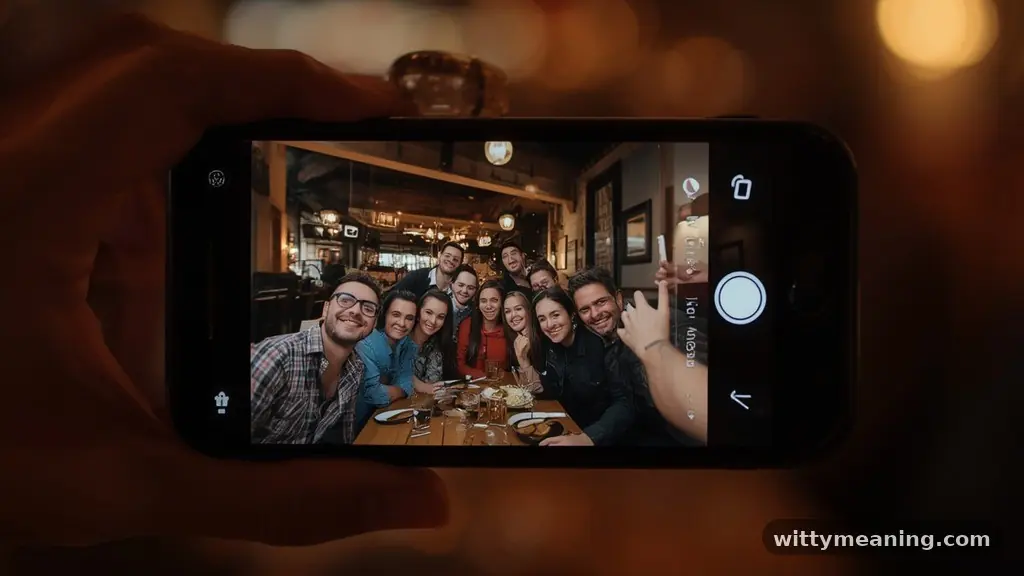
At its core, the acronym TFTI is a direct jab at social exclusion. When someone posts a photo of a group dinner, a night out, or a spontaneous trip without you, commenting “TFTI” is the standard way to signal, “I see you guys are having fun, and I wasn’t invited.”
It is a shorthand way to call out your friends for their oversight, whether that oversight was intentional or accidental. The phrase functions as a social marker that highlights the visibility of online experiences.
Because we live in an era of constant documentation, the feeling of missing out is amplified. We see our friends’ lives in real-time, which makes the sting of an uninvited event feel much more visceral. The primary meaning of TFTI relies on this shared cultural understanding of visibility.
It transforms a private moment of exclusion into a public, albeit lighthearted, confrontation. It is rarely used to start a genuine argument, but rather to tease friends for leaving someone behind.
Contextual Usage in Social Media
In the context of texting, social media comments, and messaging apps, the usage of TFTI can vary significantly depending on the relationship between the people involved. On platforms like Instagram or Snapchat, where visual storytelling is the primary mode of communication, TFTI often appears under posts that feature large group gatherings. If you see a photo of five friends at a concert and a sixth friend comments “TFTI,” the intent is usually playful teasing.
For instance, if a close friend realizes they were genuinely forgotten during the planning stages, they might use the acronym to nudge the group. In this scenario, the comment serves as a reminder to include them next time. However, the tone shifts depending on the platform.
On Twitter or X, the usage might be more performative, aimed at a wider audience to highlight the user’s social status or the exclusivity of the event. It is a way to participate in the conversation surrounding an event you weren’t physically present for.
Sarcastic: The Most Common Form
While the literal translation of the acronym is “Thanks For The Invite,” the emotional weight is almost always sarcastic. The sarcasm is the engine that makes the term work. If someone were genuinely hurt, they would likely send a private message or express their feelings through a phone call.
By posting it as a public comment, the user is intentionally leaning into the irony of the situation. They are pretending to be thankful for an invitation they never received.
This sarcasm serves a vital social function. It allows individuals to address their exclusion without appearing overly sensitive or demanding. By framing the complaint as a joke, the user retains their dignity while still making their point.
It creates a “safe” space for conflict that keeps the friendship intact while still acknowledging the hurt feelings that come with being left out. This nuance is precisely why the term has persisted in digital vernacular for so long.
Distinguishing TFTI from Other Acronyms
In the fast-paced world of digital communication, shorthand abbreviations can overlap, leading to confusion. It is common for users to mistake TFTI for other similar-looking acronyms.
For example, some might confuse it with “TFTC,” which stands for “Thanks For The Cache” in the world of geocaching, or other niche industry terms. However, within the realm of social media, TFTI occupies a very specific niche related to social planning and exclusion.
Unlike acronyms that denote excitement or agreement, such as LOL or LMAO, TFTI is inherently tied to the dynamics of friendship circles. It is helpful to compare it to “FOMO,” or the Fear Of Missing Out.
While FOMO describes the internal feeling of anxiety regarding missing an event, TFTI is the external expression of that feeling directed toward the organizers. Understanding this distinction helps you realize that TFTI is an active communication tool, whereas FOMO is a passive state of mind.
Variations in Tone and Delivery
The tone of TFTI can shift from genuinely playful to genuinely annoyed based on the surrounding emojis and punctuation. A comment reading “TFTI! 😂” carries a very different weight than just “TFTI.”
The inclusion of laughing emojis or crying-laughing faces reinforces the sarcastic intent. When people use the term without any softening agents, it can sometimes come across as more aggressive or pointed.
There are also variations in how people type it. Some might capitalize it fully to emphasize the frustration, while others might use lowercase letters to appear more nonchalant. These stylistic choices reflect the user’s desire to manage their public image.
They want to appear like they aren’t “bothered” by the exclusion, even if they are using the acronym to explicitly point it out. This delicate balance of tone is what makes digital social navigation so complex.
The Role of Group Chats in Modern Socializing
Group chats are the breeding ground for the usage of TFTI. Because group chats are where plans are often finalized, they are also where the realization of being excluded happens.
If a user is part of a large group chat but isn’t included in a sub-group’s outing, the tension is palpable. When the photos from that outing hit the group chat later, a well-placed “TFTI” is the classic response.
This dynamic illustrates how digital spaces have changed the way we handle social rejection. In the past, if you weren’t invited to a party, you might never know it happened. Today, you are forced to witness it through the lens of your friends’ phones.
The group chat acts as a digital town square where these social slights are aired. Learning the tfti meaning is essentially learning the rules of engagement in these modern, hyper-connected social circles where everything is documented and shared.
When to Avoid Using the Term
Despite its widespread popularity, there are times when using TFTI is inappropriate or counterproductive. If you have been left out of an event that was meant to be serious, intimate, or exclusive, using a sarcastic acronym might come across as immature. For example, if a friend didn’t invite you to a family dinner or a sensitive professional event, commenting “TFTI” on their post would be seen as tone-deaf and disrespectful.
You should always gauge the context of the event before deploying the acronym. If the gathering was a casual hang-out between friends, the sarcasm is well-received.
If the event was something where you realistically shouldn’t have been invited, using the term makes you look like the one who is out of touch. Discretion is key to maintaining your social standing and ensuring that your humor is interpreted as intended by your peers.
How the Meaning Shifts Across Platforms
The meaning of TFTI is somewhat elastic, changing depending on the platform’s culture. On TikTok, for instance, users often create videos where they use the term in a skit to represent the “left-out friend” archetype.
Here, the meaning is less about a specific invitation and more about a relatable cultural trope. It becomes a tool for building community through shared experiences of awkwardness.
On professional platforms like LinkedIn, you would almost never see this term used, as it would be entirely inappropriate. The professional social landscape demands a different kind of etiquette. However, on Instagram or Facebook, where personal life and social circles are center stage, it is a staple.
Recognizing that the term is platform-dependent is a mark of high digital literacy. You are reading the room before you speak, even if that room is digital.
Addressing Topical Gaps in Digital Slang

One common question is whether TFTI can ever be used sincerely. While rare, there are instances where it might be used to express genuine gratitude for an invitation that was extended at the last minute or under difficult circumstances.
In these cases, the context usually involves a very close friendship where the sarcasm is stripped away. If you say, “Thanks for the invite, TFTI,” the tone is clearly appreciative.
However, because the acronym is so strongly associated with sarcasm, using it sincerely is a risky move. The recipient will almost certainly interpret it as a joke.
If you want to express sincere gratitude, it is almost always better to spell out the words or use a different phrase entirely. This avoids any miscommunication and ensures that your friends know you are genuinely happy to have been included in their plans.
The Future of Digital Shorthand
As social media continues to evolve, the lifespan of terms like TFTI is always in question. Some slang terms become permanent fixtures, while others fade away as the platform culture shifts.
TFTI has shown remarkable longevity because the underlying social problem it addresses—being left out—is a permanent part of the human experience. As long as people are posting photos of their parties, people will be commenting about being excluded.
You can expect the term to remain relevant as long as we continue to document our social lives online. It might spawn new variations or be replaced by a more visual form of communication, such as specific stickers or reactions, but the sentiment will remain the same. Understanding the tfti meaning today provides a window into the broader evolution of how we communicate our social status and our emotional needs in a digital-first world.
Data Comparison of Common Social Acronyms
The following table provides a quick reference for how TFTI compares to other common social media acronyms regarding their intent and primary platform usage.
| Acronym | Meaning | Primary Intent | Common Platform |
|---|---|---|---|
| TFTI | Thanks For The Invite | Sarcastic/Playful exclusion | Instagram/Group Chats |
| FOMO | Fear Of Missing Out | Internal anxiety | All Platforms |
| IRL | In Real Life | Descriptive | Twitter/Messaging |
| TBH | To Be Honest | Opinion/Directness | TikTok/Facebook |
Navigating Digital Social Etiquette
When you encounter these terms, it is helpful to remember that digital etiquette is constantly changing. What is considered a harmless joke in one friend group might be seen as rude in another.
The best approach is to observe how your peers use these terms before jumping in yourself. If you notice your friends using TFTI in a specific way, mimic that behavior to stay within the established social norms of your circle.
For further reading on the evolution of internet linguistics, you can visit the Pew Research Center to explore how digital communication trends impact social relationships. Their studies often highlight how we use shorthand to manage our complex social lives. By staying informed about these trends, you can ensure that your online presence remains authentic and well-received by those who matter most to you.
Frequently Asked Questions
Is it ever okay to use TFTI in a serious way?
It is generally discouraged. Because the term is so heavily associated with sarcasm and social media “clout,” using it in a serious context will likely cause confusion. If you are genuinely hurt by not being invited, it is better to have a private, honest conversation instead.
Can I use TFTI with people I do not know well?
Using sarcastic acronyms with acquaintances or strangers is a high-risk social move. It can easily be misinterpreted as passive-aggressive or rude. It is best to reserve this type of humor for close friends who understand your personality and know that you are joking.
What should I do if someone comments TFTI on my photo?
If it is a friend, they are likely just teasing you. The best response is to either laugh it off, explain why they weren’t invited (if it was a private event), or promise to invite them next time. Don’t take it as a genuine attack; it is usually just a bit of banter.
Is TFTI only used on Instagram?
No, it is used across almost all social media and messaging platforms. While it is very common on image-heavy apps like Instagram and Snapchat, it is also frequently used in group chats on WhatsApp, Discord, or iMessage whenever plans are being discussed or photos are shared.
Conclusion
Understanding the tfti meaning is a perfect example of how digital literacy involves more than just knowing technical terms; it requires an awareness of social nuance and tone. By recognizing that this acronym is a tool for playful exclusion, you can better interpret the comments you receive and the ones you see on your feed. It is a reminder that even in a world of digital connectivity, the human desire to be included remains a powerful force.
As you continue to interact online, remember that the most effective communication is clear and intentional. While shorthand like TFTI is fun and useful for quick interactions, nothing replaces genuine conversation with your friends.
Use these tools to add flavor to your social media presence, but always prioritize real-world connections. If you have any other questions about digital slang, feel free to dive deeper into the evolving world of internet culture.