
The term “sped” has become a pervasive fixture in modern digital communication, often leaving those outside of specific online subcultures confused about its intent and origin. When you encounter sped meaning in text conversations, it is rarely a reference to the past tense of the verb “speed.”
Instead, it is a piece of social media vernacular that has traveled from the corners of internet culture into the mainstream lexicon of Gen Z and younger users. To understand this term, one must navigate the complex intersection of linguistic evolution, digital shorthand, and the often problematic roots of slang that originate from institutional labels.
The Institutional Roots of the Term

At its core, the acronym SPED is a formal designation used within the American school system to refer to Special Education. For decades, this term has functioned as an administrative shorthand, denoting programs, classrooms, and resources specifically designed for students with learning disabilities, physical impairments, or emotional challenges.
This institutional usage is entirely neutral and serves a functional purpose in educational policy and resource allocation. However, when a term moves from an official administrative label into the realm of slang, it often undergoes a process of semantic degradation.
In the context of the school system, the label was intended to support and categorize, but as it filtered into the hallways and playgrounds, it was frequently weaponized by peers to alienate or mock those receiving these services. This transition from a helpful descriptor to a pejorative label is a common trend in the history of language, particularly regarding terms related to disability.
By reducing a complex human experience—the need for specialized educational support—to a four-letter shorthand, the term became a tool for social hierarchy. This history is essential to understanding why the term carries such a heavy, negative weight today.
Evolution into Gen Z and TikTok Slang
The current usage of “sped” within Gen Z and on platforms like TikTok represents a significant departure from its original administrative meaning. Within this online discourse, the word is frequently used as a generalized insult, often directed at someone perceived as acting foolish, unintelligent, or socially awkward.
This usage is a clear example of how internet culture strips words of their original nuance, turning them into blunt instruments for social signaling. When a user sends a text message calling someone “sped,” they are rarely referencing educational policies; they are participating in a trend of using behavioral slang to categorize and dismiss others.
The viral nature of social media has accelerated this shift. On platforms like TikTok, short-form video content often relies on fast-paced, high-impact language to grab attention. “Sped” fits perfectly into this mold—it is short, punchy, and carries a recognizable, albeit controversial, edge.
However, this popularity has stripped the term of its original context, making it a “floating” insult that can be applied to almost any situation where someone is being mocked. This detachment from the original special education context allows users to distance themselves from the inherent ableist nature of the word, even as they continue to use it in a harmful way.
The Problematic Nature of Ableist Language
It is impossible to discuss the sped meaning in text without addressing the fact that it is widely considered derogatory and ableist. The term targets the very existence of neurodivergent individuals or those with disabilities by turning their educational accommodations into a punchline.
Language is not static, but the power dynamics behind language remain consistent. When a term originates from a systemic label meant to serve a vulnerable population, using it as a synonym for “stupid” or “weird” reinforces the stigma surrounding disabilities.
The use of this term creates an exclusionary environment. It implies that being “special education” is inherently negative or something to be ashamed of. By adopting this as slang, speakers are implicitly participating in a culture that devalues the experiences of people with disabilities.
This is not merely a matter of “offended sensibilities”; it is a matter of how we construct our social reality. When we normalize the use of terms that were once used to marginalize specific groups, we perpetuate the same power structures that those terms were originally intended to uphold, even if the person using the term has no conscious intent to harm.
Comparing Traditional and Slang Definitions
To better understand why this term causes so much friction in online and offline interactions, it is helpful to contrast how the word is interpreted in different settings. The following table highlights the stark divide between its administrative origin and its current role in digital communication.
| Context | Meaning of SPED | Social Perception |
|---|---|---|
| Educational/Institutional | Special Education Programs | Neutral, Administrative, Legal |
| Casual Texting/Social Media | Derogatory insult for behavior | Offensive, Ableist, Harmful |
| Urban Dictionary/Slang | Synonym for “foolish” or “dumb” | Informal, Pejorative, Controversial |
This table illustrates that the word is essentially a “semantic chameleon.” It changes its meaning entirely depending on who is speaking and where they are speaking it.
However, the prevalence of the slang definition has arguably eclipsed the administrative one in the eyes of many younger users, leading to situations where the term is used in ignorance of its deeper, more problematic history. This creates a disconnect where a user might think they are just being “funny” or “edgy,” while the recipient—or anyone aware of the term’s origins—perceives it as a targeted attack on cognitive or physical differences.
The Role of Urban Dictionary and Online Discourse
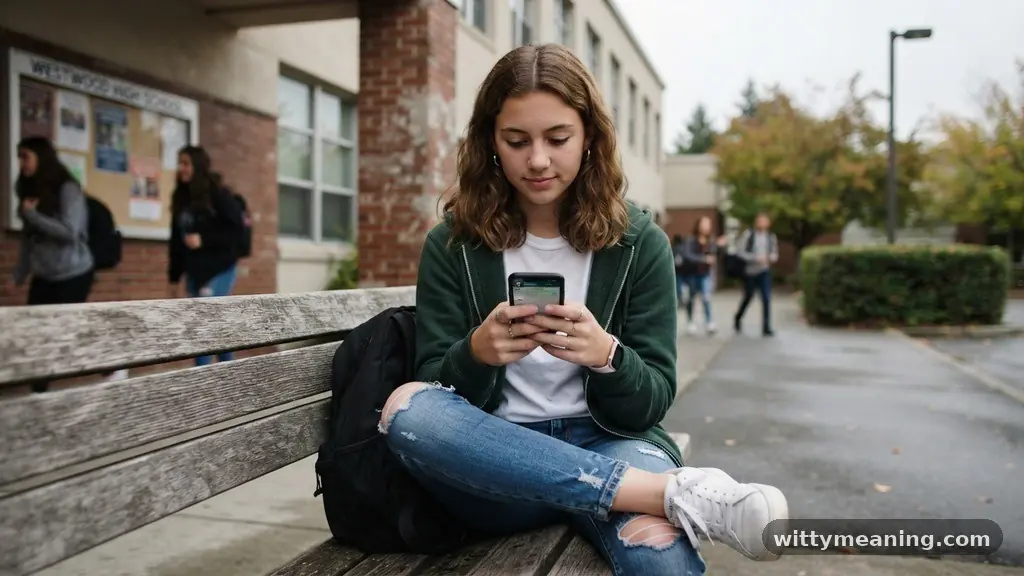
If you search for the sped meaning in text on platforms like Urban Dictionary, you will find a myriad of definitions that lean heavily into the pejorative side of the spectrum. These platforms act as a repository for contemporary slang, effectively codifying how words are used in the wild.
Because these sites are user-generated, they often reflect the most common, and often the most toxic, ways that a term is being utilized. This creates a feedback loop: a term gains traction on social media, it is defined on a crowd-sourced site, and then it is adopted by more users who view it as standard social media vernacular.
This process of “crowdsourcing” language is a fascinating, if sometimes destructive, aspect of the modern internet. It allows for the rapid spread of vocabulary, but it lacks any form of gatekeeping or ethical oversight. When a term like “sped” is defined through the lens of schoolyard bullying, that definition becomes the primary way that future generations encounter the word.
This is a form of linguistic evolution that favors the most sensationalized version of a term over its original, more nuanced meaning. The result is that the word becomes a fixed point in the lexicon of online bullying, divorced from the human beings it originally described.
Social Etiquette and Communication Standards
Navigating social etiquette in the digital age requires an awareness of how our word choices impact others. While some may argue that “it’s just a word,” the reality of online discourse is that language has tangible consequences.
Using terms that are rooted in the marginalization of people with disabilities is generally viewed as a lapse in judgment, especially in professional or inclusive social circles. Being mindful of the sped meaning in text is a simple step toward more respectful communication.
If you find yourself in a conversation where this term is used, it is worth considering the context. Is the speaker aware of the term’s history? Is it being used to intentionally denigrate someone?
Often, the term is used thoughtlessly, as a reflexive reaction to something the speaker finds baffling or annoying. However, the fact that it is a common “habit” does not make it acceptable.
Cultivating a vocabulary that does not rely on offensive language or exclusionary tropes is a hallmark of effective and empathetic communication. By choosing to avoid such terms, you contribute to a digital environment that is more welcoming and less reliant on the tired, harmful stereotypes of the past.
Addressing Topical Gaps in Current Knowledge
Many readers are left wondering why the term has persisted despite the growing awareness of ableist language. A key gap in existing content is the failure to explain the “why” behind the persistence of such terms. Why do people continue to use “sped” even when they know it is offensive?
The answer lies in the concept of “reclamation” vs. “appropriation.”
While some groups successfully reclaim slurs to strip them of their power, “sped” is rarely being reclaimed by the people it was meant to describe. Instead, it is being appropriated by people who hold no marginalized status in this context, simply because it is a convenient, high-impact insult.
Another gap is the lack of distinction between “sped” as a shorthand for “special education” and the verb “speed.” Occasionally, a user might write “sped” to mean “I sped through that task,” but this is increasingly rare in digital communication. The slang usage has become so dominant that the original, non-pejorative use of the word as a past-tense verb is often misinterpreted by the reader.
This is a classic case of a term becoming so “loaded” that its original, harmless meanings are effectively pushed out of common usage. Understanding this context helps clarify why the word is now almost exclusively interpreted as an insult, regardless of the sender’s intent.
The Impact of Algorithmic Amplification
The way we consume content today is heavily dictated by algorithms on platforms like TikTok and X (formerly Twitter). These algorithms prioritize engagement, and content that uses “edgy” or controversial language often receives more interaction, which in turn leads to broader distribution.
This creates a cycle where the sped meaning in text is reinforced and amplified. Users who see the term being used by popular creators are more likely to adopt it themselves, not necessarily because they are malicious, but because they are mimicking the “cool” or “viral” tone of their feed.
This highlights a major challenge in modern language: the removal of nuance. Algorithms are not designed to detect the historical baggage or the stigma attached to a word; they are designed to detect its popularity. Consequently, a word that should be treated with sensitivity is instead treated as a trending keyword.
As users, we have to be more conscious than the algorithms. We must recognize that just because a word is trending or “popular” does not mean it is appropriate for civil discourse. Being a responsible digital citizen means resisting the urge to adopt language just because it is being pushed into our feeds by an engagement-hungry system.
Reframing the Conversation
Ultimately, the term “sped” serves as a mirror for our current social values. When we use it, we are reflecting a history of how we treat the most vulnerable members of our society. Moving forward, the goal should be to replace such terms with language that is precise and respectful.
If you are frustrated by someone’s behavior, there are dozens of ways to express that without resorting to ableist tropes. We have a massive, rich vocabulary at our disposal; using a term that was born out of the institutionalization of people with disabilities is not just lazy—it is a choice to ignore the human cost of our words.
The evolution of language is inevitable, but the direction of that evolution is something we can influence. By choosing to reject the use of derogatory slang, we can help shift the norms of online discourse.
It starts with individual choices: pausing before you type, considering the weight of the words you use, and recognizing that your language has the power to either include or exclude. The sped meaning in text is a reminder that even the most “common” slang has roots, and those roots are often deeper and more painful than we realize.
Frequently Asked Questions
Is it ever okay to use the word sped in a text message?
Using the term as an insult is widely considered offensive and ableist. While it functions as an administrative acronym for special education in formal school settings, using it as a casual jab at someone’s intelligence or behavior is generally viewed as inappropriate and harmful in modern social etiquette.
Why do people say sped instead of other insults?
People often adopt the term because it is short, punchy, and has become normalized within certain corners of internet culture and social media. It is frequently used as a form of “behavioral slang” to mock someone, often without the user fully considering the history of the term.
Does sped always mean something negative in a text?
In almost all modern text-based communication, the term is used as a derogatory insult. While it technically functions as the past tense of “speed,” the slang usage has become so dominant that the original verb usage is rarely intended or understood by recipients in a digital context.
How should I respond if someone uses this term to me?
If you are uncomfortable with the use of the term, the best approach is to communicate your boundaries clearly. You can explain that you find the term offensive due to its ableist roots and ask the person to use different language in future conversations with you.
Conclusion
The sped meaning in text is a clear example of how language can be repurposed, stripped of its original intent, and turned into something harmful. What began as a neutral administrative label for special education has been transformed into a piece of derogatory slang that carries a heavy weight of stigma and ableist history. Through the rapid spread of online discourse and the influence of social media vernacular, the term has become a common, yet deeply problematic, fixture in digital communication.
By understanding the origins and the impact of our words, we can make more conscious choices about how we interact with others. Moving away from exclusionary language is not about policing speech; it is about fostering a more inclusive and respectful environment in the digital spaces we all share. As we continue to navigate the complexities of language in the 21st century, prioritizing empathy over convenience will ensure our communication remains effective and kind.