
When you receive a message from a crush or a partner, understanding the specific intent behind the words is crucial for maintaining the right vibe. If you are wondering about the papi meaning in text, you are certainly not alone, as this term has migrated from its roots in Latin American Spanish to become a staple of modern digital communication.
While it is often used as a playful or romantic label, its impact depends heavily on who is sending it and the nature of your current dynamic. By exploring the cultural layers and social media context, you can better interpret how these four letters shape your digital interactions.
The Linguistic Roots of Papi
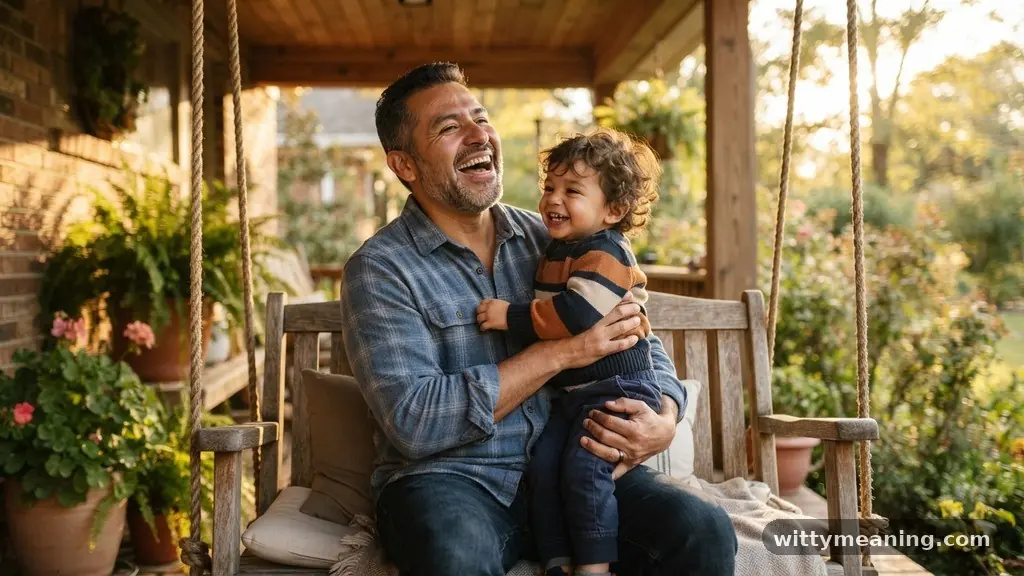
At its core, the word is a direct derivative of the Spanish noun papa, which translates to father. In many Spanish-speaking households, it functions as a common term of endearment, similar to how someone might use daddy or pops in English.
However, the transition from a familial reference to a common piece of social media slang was driven by the global influence of Latin music, film, and general pop culture. Because language is fluid, the term evolved to represent a broader spectrum of masculine affection rather than strictly biological parenthood.
When you see it in a message, it is helpful to remember that it carries a legacy of warmth and familiarity. In its original context, it was rarely meant to be sexual; it was a way to address a man with respect or affection.
Over time, that warmth became associated with the romantic allure often projected in media. This shift is why you might feel confused when you encounter it in a chat, as the word balances between a respectful nod and a flirtatious gesture depending entirely on the speaker’s intent.
Decoding Flirty Texting Etiquette
When someone uses this term in a romantic context, they are often attempting to establish a specific tone of intimacy. It is a classic element of flirty texting that signals the sender feels comfortable enough to use a pet name.
Because it is inherently informal, receiving it often suggests that the person wants to move the conversation away from platonic ground and toward something more personal. If you are on the receiving end, the sender is likely trying to gauge your reaction to a more suggestive or affectionate style of communication.
However, context is the primary filter you should use before jumping to conclusions. If you have been talking to someone for weeks and the conversation has been increasingly warm, the word is likely a deliberate move to deepen your emotional intimacy.
On the flip side, if it appears out of nowhere in a casual conversation, the sender might just be adopting popular slang without necessarily harboring deep feelings. Always look at the surrounding words to see if they are matching the energy of the label being used.
Cultural Context and Regional Variations
To fully grasp the word, you have to look at the differences between its use in Hispanic culture and its adoption by English speakers. In many Latin American countries, the term is incredibly common and can be used in ways that have nothing to do with romance.
A friend might call another friend papi as a way to say bro or dude, emphasizing a sense of camaraderie. This is a vital distinction, as it shows that the word can function as a term of respect or a friendly acknowledgment within a peer group.
When non-native speakers use it, they often strip away these regional nuances and focus purely on the romantic or sexual connotation. This is where the gap between intention and impact often widens.
If someone from a culture where the term is used exclusively for friends calls you that, they might be surprised if you interpret it as a romantic advance. Recognizing that linguistic nuances vary by geography and upbringing will save you from misinterpreting a friendly comment as an overt flirtation.
Non-Romantic Usage and Peer Affection
It is entirely possible to hear or read this term without it having any romantic weight at all. In many circles, it has become a gender-neutral or at least flexible way to address someone you like and trust.
You might see it used in memes, comment sections on social media, or even among close-knit groups of friends who enjoy using trendy slang. In these instances, it acts as a marker of closeness and social belonging rather than a declaration of sexual interest.
If you are confused by a message, consider the platform and the relationship. On a platform like TikTok or Instagram, where slang cycles quickly, the word is often used ironically or as a generic descriptor for someone who looks good.
This is a far cry from a private text message where the stakes of the conversation are higher. If you find yourself frequently using or receiving the word in group chats, it is likely serving as a tool to foster a relaxed, conversational tone among friends.
The Role of Relationship Dynamics

The depth of your relationship plays the biggest role in how you should interpret the term. For a long-term romantic partner, calling each other by various pet names is a standard way to reinforce your bond.
In this scenario, the word is simply another tool in your arsenal of endearment, meant to express comfort and ongoing attraction. It is a sign of a secure relationship where playful language has become a natural part of your daily rhythm.
When you are in the early stages of dating, the word carries much more weight. It acts as a trial balloon to see if you are receptive to a more intense or affectionate dynamic. If you respond positively, the sender knows they have the green light to continue with that style of communication.
If you feel uncomfortable, it is perfectly fine to steer the conversation back to a more neutral tone. Remember that your comfort levels define the boundaries of your relationship, and you are never obligated to accept a pet name that feels forced or inappropriate.
| Context Type | Likely Meaning | Typical Response |
|---|---|---|
| Long-term Relationship | Affectionate pet name | Reciprocate with a similar term |
| Early Dating Phase | Attempt at flirting | Engage or set boundaries |
| Casual Friend Group | Friendly banter | Treat as you would “bro” or “man” |
| Social Media Comment | Generic compliment | Acknowledge or ignore |
Common Misconceptions and Urban Dictionary Influence
Because of sites like Urban Dictionary, many people assume that every instance of the word is inherently sexual or aggressive. While it is true that the term has been sexualized in certain subcultures, applying that definition to every text message is a mistake.
Slang origins are often messy, and the way a word is used by the general public rarely aligns perfectly with the hyper-specific definitions found on crowdsourced websites. These sites are helpful for identifying trends, but they should not be your only source for understanding how language functions in real-time.
Many people also worry that they are using the word incorrectly if they are not Hispanic. While cultural appropriation is a valid concern, using a term that has become part of the global lexicon is generally viewed as a reflection of how pop culture influences our daily speech.
As long as you are not using it to mock or caricature someone, the issue is less about your heritage and more about your awareness of the word’s impact. Use it with the same care you would use any other affectionate label, and you will likely avoid any major social faux pas.
How to Respond to the Term
Deciding how to react when someone calls you this depends on whether you like the message. If you are into the person, a simple smile or a reciprocal pet name is usually the best way to keep the momentum going.
You do not need to overthink it; just match their energy and keep the conversation flowing. If the sender is clearly being flirtatious, responding in kind is a clear signal that you are interested in moving things forward.
If you don’t like it, you have a few options to address it without making things awkward. You can simply ignore the label and continue the conversation as if nothing happened, which is a subtle way of signaling that you prefer a different tone. If they keep doing it and it bothers you, a direct, polite message is the best route.
Just say something like, “I’m not really into pet names, could we stick to my name?” This sets a clear boundary while keeping the interaction respectful and professional.
The Evolution of Digital Affection
Text messaging etiquette has changed dramatically over the last decade, and terms like this one are a reflection of that shift. We are living in an era where digital communication is often the primary way we express interest, and we rely on short, punchy words to convey complex emotions.
This evolution means that our vocabulary is constantly being updated to include words that feel more immediate and personal. It is a natural process, even if it feels jarring when you encounter a new term for the first time.
The key to navigating this is to stay flexible and observant. Language is a living thing, and the way we use it today might be different from how we use it next year.
By staying in tune with how your friends and partners use these words, you will find it much easier to stay on the same page. You don’t need to be an expert in linguistics to be a good communicator; you just need to be present and willing to ask for clarification if things get confusing.
Topical Gaps: Addressing the Nuances
One common gap in existing explanations is the distinction between the singular and the plural form of the term. While you might see people using it as a direct address for one person, it is almost never used to refer to a group. Another important point is the gendered nature of the word.
In its traditional form, it is masculine, but in some modern, progressive circles, it is being used in a way that ignores traditional gender roles. This is a newer phenomenon and is worth noting if you encounter it in diverse online spaces.
Finally, the role of tone cannot be overstated. When reading a text, you lack the benefit of body language and vocal inflection. This is why a simple, sweet message can sometimes be misread as a sarcastic or aggressive one.
If you are ever in doubt about the meaning of a text, the best advice is to look at the broader pattern of your communication. A person who is consistently kind and respectful is likely using the term in the same spirit, regardless of how it might appear on the surface.
FAQ Section
Is the term always meant to be flirty?
Not necessarily. While it is often used for flirting, it can also be a friendly term of endearment or a sign of casual camaraderie, especially among people who are comfortable with each other or within specific cultural contexts where the word is used commonly.
How do I know if someone is using it disrespectfully?
Context is key. If the term is used in a way that makes you feel uncomfortable, pressured, or ignored, it is likely being used inappropriately. Trust your instincts; if the tone of the conversation feels off, you have every right to set a boundary.
Can I use the term if I am not from a Spanish-speaking culture?
Yes, it is generally acceptable as it has become a part of global slang. However, be mindful of your audience and the setting. Ensure you are using it in a way that is respectful and fits the current dynamic of your relationship.
What should I do if I dislike being called that?
It is perfectly acceptable to ask someone to stop using a specific nickname. A polite, direct message stating your preference for your actual name is usually sufficient. Most people will appreciate the honesty and adjust their language to suit your comfort level.
Final Thoughts
Understanding the nuances of modern slang can make your digital interactions feel a lot more natural and less stressful. Whether you are seeing the word in a text from a crush or hearing it used by friends, knowing that it sits at the intersection of cultural history and casual, modern affection helps put things in perspective.
It is a versatile label that can signal deep intimacy or simple friendship, so take a moment to look at the context of your conversation before deciding how to react. Stay mindful of your own boundaries, keep the lines of communication open, and feel free to reach out if you want to discuss how to keep your digital conversations feeling authentic and comfortable.