


If you have ever found yourself staring at a sophisticated charcuterie board, you have likely encountered those tiny, vibrant pickles that offer a sharp contrast to rich cheeses and cured meats. Grasping the true cornichon meaning involves more than just identifying a small pickle; it requires an appreciation for the specific horticultural and culinary traditions that define this French staple.
These miniature cucumbers are far from standard dill pickles, as they undergo a precise preparation process to achieve their signature crunch and piquant profile. By exploring their history, production, and proper role in modern dining, you can better understand why these petite vegetables remain a cornerstone of global gastronomy.
The Botanical Identity of the Cornichon
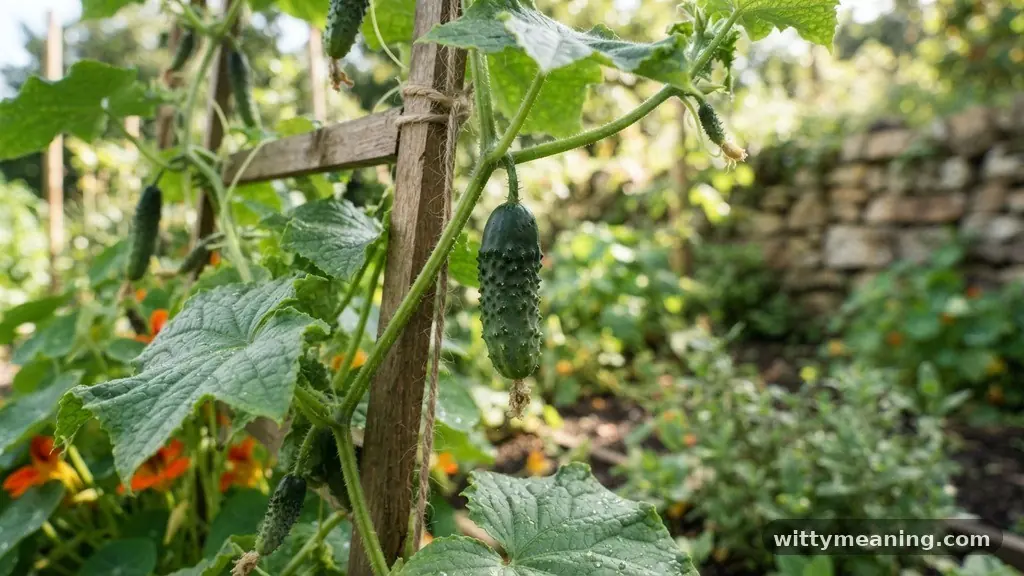
At its core, the cornichon is a specific variety of cucumber, botanically classified as Cucumis sativus. Unlike the standard slicing cucumbers found in most salads, these are harvested when they are still essentially a baby cucumber. By picking them early, farmers ensure the fruit remains firm, lacks developed seeds, and possesses a thin, delicate skin.
This early harvest is critical because it dictates the final texture of the preserved product. If allowed to grow to full size, the cellular structure of the fruit would soften, failing to provide that characteristic snap that enthusiasts look for in a high-quality jar.
The cultivation of these small vegetables requires careful attention to timing. Growers must monitor the vines daily during the peak growing season to catch the cucumbers at the perfect stage of development.
If they are left on the vine for even a few days too long, they lose the structural integrity required for traditional pickling. Because they are harvested at such a diminutive size, the yield per plant is often lower than that of larger cucumber varieties, which contributes to their status as a slightly more premium ingredient in the marketplace.
Understanding the French Culinary Connection
The word itself is French, literally translating to “little horn” or “small gherkin,” which perfectly describes the shape and size of the vegetable. In the context of French cuisine, these pickles are not merely a snack but an essential element of balance.
French gastronomy relies heavily on the interplay between fat and acid, and the acidity provided by these vinegar-cured morsels acts as a palate cleanser. When you see them served alongside a heavy pâté or a creamy camembert, it is a deliberate culinary choice meant to cut through the richness of the fat.
This tradition of pairing dates back centuries within French households and bistros. They are rarely consumed in isolation; instead, they serve as a functional condiment that elevates the other items on the plate.
The culinary history of the region suggests that the preservation of small vegetables was a vital way to extend the harvest, ensuring that the bright flavors of summer could be enjoyed during the colder months. This historical necessity eventually evolved into a refined standard for plating, cementing the vegetable’s place in the canon of classic French food culture.
The Pickling Process and Brine Composition
The transformation from a fresh baby cucumber into a finished cornichon is a delicate art form. Unlike many American-style pickles that may rely on heavy dill or garlic infusions, a traditional preparation focuses on a crisp, tart profile.
The cucumbers are typically soaked in a high-quality vinegar solution—often white wine vinegar or cider vinegar—which preserves their bright color and prevents them from turning mushy. The brine is usually seasoned with aromatic additions that provide depth without overpowering the natural flavor of the cucumber.
Common ingredients found in the jar alongside these pickles include:
- Tarragon, which adds a subtle, anise-like herbal note.
- Mustard seeds to provide a gentle heat and earthy finish.
- Pearl onions for a touch of sweetness and visual appeal.
- Peppercorns to introduce a mild, lingering spice.
- Small cloves of garlic or bay leaves for aromatic complexity.
This method of artisan pickling emphasizes the preservation of the vegetable’s snap. The goal is to ensure that every bite is as crunchy as the first, maintaining that satisfying resistance that distinguishes a cornichon from a standard, limp pickle. Manufacturers and home cooks alike must balance the acidity levels carefully; too little vinegar and the product won’t be safe or shelf-stable, while too much can completely mask the fresh, green flavor of the cucumber.
Cornichon Pronunciation and Linguistic Roots
Navigating the cornichon pronunciation can be a bit daunting for English speakers, as it requires a touch of French phonetic flair. In its native language, it is pronounced roughly as “kor-nee-shon.” The final “n” is nasal, and the “ch” sound is soft, similar to the “sh” in “shoe.”
While many people in the United States and the United Kingdom have anglicized the term slightly, the standard approach remains close to the French original. Understanding the name helps clarify its origins; it is a term that has traveled across borders without being fully translated, which is a testament to its unique identity in the culinary world.
For those who are curious about the linguistic journey, the term has remained relatively stable over time. It has not evolved into a slang term or taken on secondary meanings in common parlance, which is somewhat rare for food items.
When people use the word today, they are almost universally referring to the specific French-style pickle. Whether you are ordering a cheese plate in Paris or shopping at a local gourmet grocer, the term serves as a reliable signifier of quality and specific preparation style, allowing diners to know exactly what to expect before the plate arrives.
Comparing Cornichons and Standard Pickles
It is common to ask how these differ from the standard dill pickles found in grocery stores. The distinctions are significant enough that they should be considered entirely different products in a culinary sense. While both are members of the pickled vegetable family, the primary differences lie in the size of the cucumber, the acidity of the brine, and the intended use.
| Feature | Cornichon | Standard Pickle |
|---|---|---|
| Cucumber Size | Small (1-3 inches) | Large (4+ inches) |
| Texture | Very crunchy | Varies (can be soft) |
| Primary Flavor | Sharp, tart, herbal | Dill, garlic, or sweet |
| Best Pairing | Charcuterie, pates | Sandwiches, burgers |
The texture of the cornichon is perhaps its most defining characteristic. Because the fruit is harvested so young, it hasn’t developed the thick, watery core of a mature cucumber.
This means it doesn’t soak up the brine in the same way a large pickle does, which keeps the inside dense and crisp. Furthermore, the brine used for these miniature pickles is almost always more acidic, designed to act as a sharp, refreshing contrast rather than a savory, garlic-heavy accompaniment.
The Role of Lacto-Fermentation
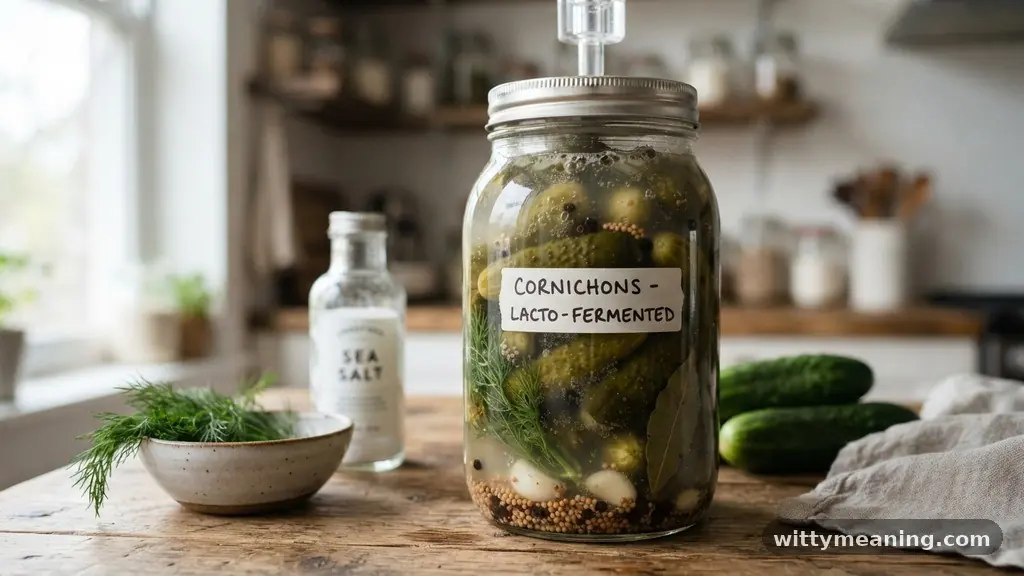
While many modern commercial versions are vinegar-pickled, traditional methods often involved lacto-fermentation. This process relies on the natural bacteria present on the skin of the vegetable to convert sugars into lactic acid.
This type of preservation is highly prized by health-conscious consumers and chefs who value the probiotic benefits and the complex, tangy depth of flavor that fermentation provides. Unlike vinegar pickling, which is a faster process, fermentation can take several weeks, allowing the flavors to develop slowly and naturally.
When you find naturally fermented versions, you might notice a slightly cloudy brine and a more nuanced, “living” flavor profile. This method respects the culinary history of the dish, as it was the primary way of preserving vegetables before the widespread availability of commercial vinegars.
Today, artisan producers are increasingly returning to these traditional techniques. They understand that the consumer is looking for a product that tastes authentic and has a more complex mouthfeel than the mass-produced, vinegar-soaked alternatives found on supermarket shelves.
Perfect Food Pairings for Your Table
The food pairing possibilities for these pickles are extensive, though they are most at home on a charcuterie board. Because they offer such high acidity, they are the perfect partner for fatty meats like rillettes, salami, and liver mousse.
The sharp vinegar cuts right through the richness, cleansing the palate and preparing it for the next bite. Many enthusiasts also find that they pair beautifully with strong, aged cheeses like Gruyère or Comté, where the saltiness of the cheese meets the brightness of the pickle.
Beyond the cheese board, they can serve as a sophisticated cocktail garnish. Instead of a standard olive or cocktail onion, a single cornichon added to a Gibson or even a Bloody Mary adds a surprising, gourmet touch. Some chefs even chop them finely to incorporate into sauces, such as a traditional tartare sauce or a vinaigrette for a crisp green salad.
This versatility makes them an essential item to have in your pantry; they are a low-effort way to add a high-end culinary element to almost any meal. You can learn more about the diverse world of preservation and food safety through resources like the National Center for Home Food Preservation, which provides authoritative guidance on keeping your preserved goods safe and delicious.
Addressing Topical Gaps in Pickle Knowledge
One common gap in knowledge involves the confusion between gherkins and cornichons. While the terms are often used interchangeably in casual conversation, there is a technical difference. A gherkin is a small cucumber, but it is not necessarily a cornichon.
The term cornichon specifically refers to the French preparation style, whereas “gherkin” is a broader botanical term that can refer to various small, prickly cucumbers. Knowing this distinction helps consumers make better choices when shopping, as they will know to look specifically for the French-style label if they want that precise, tart, and crunchy experience.
Another area that often causes confusion is the shelf life of an opened jar. Many people assume that because they are pickled, they can be left in the pantry indefinitely. However, once a jar is opened, the introduction of oxygen and potential contaminants means they should be refrigerated.
Even in the fridge, they have a finite lifespan. To keep them at their best, ensure they are always fully submerged in their brine. If the level of liquid drops, the exposed pickles will quickly lose their texture and may begin to spoil, ruining the experience of the entire jar.
The Global Appeal of Small Pickles
While they are firmly rooted in French tradition, these pickles have gained massive popularity across the globe. Their small size makes them convenient, and their intense flavor profile is highly addictive.
In many countries, they are no longer viewed as a specialty item but as a staple pantry ingredient. This global adoption has led to variations in seasoning, with some regions adding local spices to the brine while maintaining the core French technique of using a baby cucumber.
This widespread appreciation is a testament to the power of simple, high-quality ingredients. People appreciate that they don’t need a complex recipe to enjoy a cornichon; they are a “ready-to-eat” luxury.
Whether you are hosting a formal dinner party or simply putting together a quick lunch, they offer a level of refinement that few other pre-packaged ingredients can match. Their continued presence in modern supermarkets and high-end restaurants alike proves that the appeal of the baby cucumber is not just a passing trend, but a permanent fixture in the culinary landscape.
Maintenance and Storage Best Practices
To ensure you are getting the most out of every jar, proper storage is essential. As mentioned earlier, refrigeration is a must after opening. Furthermore, try to avoid using your fingers to pull them from the jar; using a clean fork or tongs prevents the introduction of bacteria into the brine.
Keeping the brine clean is the secret to extending the life of your pickles for several months. If you find that you go through them quickly, you might consider buying in bulk, but for most households, a standard jar is sufficient to keep on hand for whenever you need that hit of acid.
If you find yourself with extra brine once the pickles are gone, don’t pour it down the drain. This liquid is packed with flavor and can be used in a variety of ways.
You can use it as a base for a salad dressing, incorporate it into a marinade for chicken or pork, or even use it to pickle other vegetables like red onions or radishes. This approach minimizes waste and allows you to enjoy the complex, seasoned vinegar long after the original Cucumis sativus fruits have been consumed.
Frequently Asked Questions
What is the difference between a gherkin and a cornichon?
While the terms are often used interchangeably, a gherkin is a general term for a small, bumpy cucumber. A cornichon is a specific type of gherkin that has been preserved in a distinctively tart, vinegar-based French style, often seasoned with tarragon, mustard seeds, and other aromatics.
Do I need to refrigerate cornichons after opening?
Yes, you must refrigerate them. Once the seal is broken, the pickles are exposed to air and potential bacteria. Storing them in the refrigerator, preferably fully submerged in their original brine, keeps them crunchy and safe to eat for several weeks or even months after opening.
What are the best ways to serve cornichons?
They are best served as part of a charcuterie board alongside pâtés, cured meats, and cheeses. Their high acidity cuts through the fat of these rich foods. They also work well as a sophisticated garnish for cocktails or finely chopped into sauces like homemade tartar.
Why are cornichons so crunchy compared to other pickles?
Their crunch comes from being harvested at a very young stage of growth. Because they are picked while still a tiny baby cucumber, they lack the developed, watery seeds found in larger cucumbers. This keeps their cellular structure dense and firm throughout the pickling process.
Refining Your Culinary Palette
Understanding the true meaning of the cornichon allows you to appreciate the nuance of this small but mighty ingredient. From its botanical origins as a young Cucumis sativus to its vital role in balancing rich French cuisine, it is clear that this isn’t just another pickle. By paying attention to the quality of the brine, the crispness of the texture, and the thoughtful pairing with other foods, you can elevate your own entertaining and dining experiences.
Whether you are building an elaborate charcuterie board or just adding a touch of brightness to a simple sandwich, these little pickles provide a necessary sharp edge. Now that you have a deeper understanding of what makes them special, you can confidently select the best jars at the market and incorporate them into your next meal. Don’t hesitate to experiment with how you serve them—your guests will surely appreciate the professional touch.