
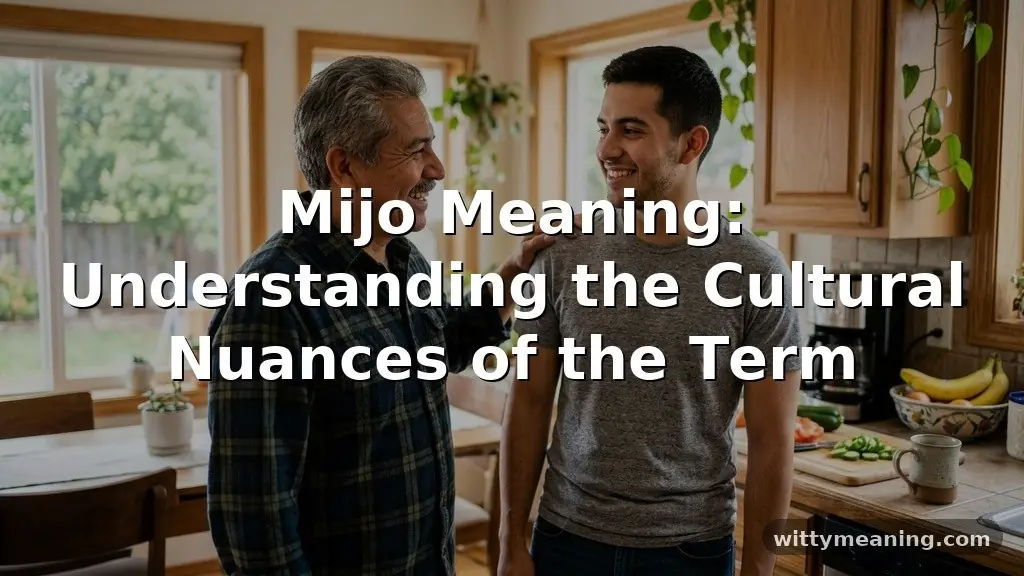

When you hear someone say “mijo,” you are witnessing a deep-rooted expression of warmth that transcends simple translation. While many people encounter the word in movies or music, understanding the true mijo meaning requires looking at how it functions as a social glue within Hispanic communities.
It is far more than just a literal reference to a child; it is a linguistic bridge that signals closeness, respect, and a protective nature. Whether used by a parent or a neighborhood elder, this term carries the weight of history and the lightness of genuine affection.
At its core, the word is a contraction of the Spanish phrase “mi hijo,” which literally translates to “my son.” However, language rarely stays within the lines of a dictionary. Over time, the term has evolved from a strictly biological identifier into a versatile expression of intimacy.
Recognizing when and how to use it—and when it might be misinterpreted—is essential for anyone navigating cross-cultural contexts. By digging into its origins and modern usage, you can better appreciate why this short, two-syllable word remains a pillar of communication in so many homes.
The Linguistic Roots and Evolution
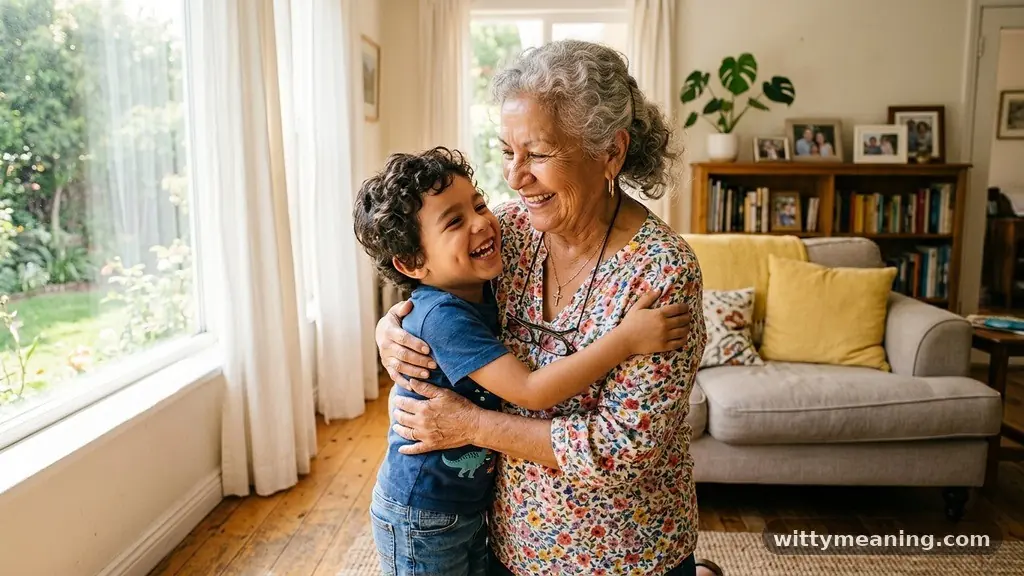
The technical breakdown of the term is straightforward: it combines the possessive pronoun “mi” (my) and the noun “hijo” (son). This fusion is a classic example of elision, where spoken language naturally clips sounds to make speech faster and more fluid.
While Spanish speakers have used “mi hijo” for centuries, the compressed form “mijo” emerged as a way to soften the formality of the full phrase. It turns a descriptive statement into a warm, immediate address.
As it moved through generations, its usage expanded. It shifted from being a purely familial label to a broader term of endearment that reflects the tight-knit nature of Latinx culture. In many families, it is common to hear parents call their children mijo or mija from infancy well into adulthood.
This consistency helps maintain a sense of connection that persists long after the children have grown up and moved away. The word acts as a constant, verbal hug, reinforcing the bond between generations.
Understanding the Feminine Equivalent
Language often mirrors the social structures of the people who speak it, and Spanish is no exception. Because the language uses gendered nouns, the feminine equivalent is “mija,” derived from “mi hija” (my daughter).
Just as mijo is used for sons or boys, mija is the standard address for daughters or girls. Using the correct gendered form is important for grammatical accuracy, but in casual conversation, the underlying sentiment remains the same.
In many households, these terms are used interchangeably by older relatives to address younger family members regardless of the specific relationship. A grandmother might call all her grandchildren mijo or mija depending on their gender, effectively erasing the distance that might otherwise exist in more formal settings.
This linguistic inclusivity helps foster a sense of belonging among extended family members, ensuring that every child feels seen and cherished within the larger family unit. It is a simple tool that builds emotional security.
Affection Beyond Biological Ties
One of the most interesting aspects of this term is its ability to jump the fence of blood relations. In many Hispanic communities, you will hear adults calling children “mijo” even when they are not related at all.
This usage signifies a protective or mentor-like rapport. When a neighbor or a coach uses the word, they are signaling that they hold the child in high regard and feel a sense of responsibility for their well-being.
This practice is deeply rooted in the concept of extended community care. In these cultures, the village-raising-a-child mentality is alive and well.
By using a term of endearment typically reserved for family, the speaker is essentially saying, “I care about you as if you were my own.” This creates a buffer of trust and warmth in public spaces, making the world feel a little smaller and much safer for the young person receiving the address.
Interpreting Tone and Intent
Like any colloquialism, the impact of the word depends entirely on the delivery. In most casual settings, mijo is a benign, friendly way to get someone’s attention or express love. However, vocal inflection and facial expressions change everything.
A soft, gentle tone paired with a smile conveys genuine care. Conversely, a sharp or stern tone can turn the word into a tool for correction, often used by parents to get a child’s attention before a lecture or a reprimand.
Understanding this nuance is crucial for non-native speakers who might be confused by the shift in usage. If an older person uses the word while shaking their head or furrowing their brow, they are likely expressing concern or frustration rather than pure affection. Paying attention to the context—the setting, the relationship between the speakers, and the accompanying body language—is the only way to accurately read the intent behind the word.
Is Mijo Flirty or Inappropriate?

One common question that arises is: “Is Mijo Flirty?” The short answer is that it is almost never meant to be romantic. In fact, using it in a romantic context can be deeply confusing or even off-putting.
Because the term is so strongly associated with parental or elder-to-younger dynamics, it carries a sense of authority or protective hierarchy. Attempting to use it as a flirtatious pet name often feels unnatural because it contradicts the established social hierarchy of the term.
If you are in a relationship, you might hear a partner use it, but this is usually an extension of the “family” dynamic where partners treat each other with a deep, almost familial level of care. However, it is not a term you would use to flirt with a stranger at a bar.
Doing so would likely be perceived as condescending or bizarre. It is best to stick to romantic pet names like “amor” or “cariño” if you want to express romantic interest.
Regional and Cultural Misconceptions
Language is rarely uniform across geography. While the term is ubiquitous in many parts of Mexico, the Southwestern United States, and parts of Central America, its usage can vary wildly elsewhere.
In some regions, using “mijo” with strangers might be seen as overly familiar or even rude, depending on the local social norms regarding privacy and personal space. It is a term that thrives in high-context cultures where social interaction is expected to be warm and personal.
There are also misconceptions about its origin. Some people mistakenly believe it is a slang term derived from English or other languages, but its roots are purely Spanish.
In other cultures, such as in Japanese, there are different ways to express familial affection that don’t translate directly to the Spanish experience. Trying to map the cultural weight of “mijo” onto another language often leads to a loss of meaning, as the term is so tied to the specific social fabric of Hispanic heritage.
Comparison of Common Terms of Endearment
To better understand where “mijo” fits in the spectrum of Spanish pet names, it helps to compare it with other common terms. The following table illustrates how different terms are typically used in conversation.
| Term | Literal Meaning | Context of Use |
|---|---|---|
| Mijo / Mija | My son / My daughter | Family, mentors, or elders to younger people. |
| Amor | Love | Romantic partners or close family members. |
| Cariño | Dear / Darling | Versatile; used for friends, partners, or family. |
| Corazón | Heart | Affectionate term for anyone close to the speaker. |
Addressing Topical Gaps in Cultural Understanding
Many people struggle to understand why this term feels so powerful to some and so casual to others. A primary gap in understanding is the distinction between internal usage (within the family) and external usage (within the community).
When a person from outside the culture hears it, they often focus on the “son” aspect, leading to confusion when they see it applied to a daughter or a neighbor’s kid. It is important to view it as an emotional label rather than a biological one.
Another gap is the perception of age. While it is almost always used from an older person to a younger person, it is rarely used by a younger person to an elder.
Calling an older person “mijo” would be considered highly disrespectful, as it implies a position of superiority or seniority. Understanding this directional flow of the word is essential for navigating social interactions without accidentally causing offense.
Practical Tips for Using the Term
If you are learning Spanish or interacting with Spanish speakers, you might wonder if you should use the term yourself. The general rule of thumb is to observe first.
If you are an outsider to the culture, it is usually safer to wait until you have established a significant level of trust and rapport with the other person. Forcing it can come across as performative or insincere.
Here are a few guidelines for navigating the use of this term:
- Observe how your friends or family members use the word among themselves.
- Understand that it is almost exclusively used by an older person addressing a younger one.
- Avoid using it in professional or formal settings, as it can sound overly casual or dismissive.
- Listen to the tone of the speaker; if they sound frustrated, the term is likely being used to discipline or correct.
- Remember that it carries a sense of responsibility; using it implies you care about the person’s well-being.
For those interested in the broader history of Spanish linguistic evolution, you can explore more details on the Real Academia Española website, which serves as the official authority on the Spanish language and its historical development.
Why the Term Matters Today
In a world that is becoming increasingly digital and impersonal, words that signal genuine, face-to-face connection are more important than ever. The continued use of “mijo” is a testament to the resilience of cultural traditions in the face of globalization. It serves as a reminder that language is not just a tool for exchanging information, but a vehicle for building and maintaining relationships.
By preserving these small, intimate ways of speaking, communities maintain their identity and ensure that the next generation understands the value of familial and communal bonds. Whether you are a native speaker or someone just starting to learn, recognizing the depth behind this simple word can change how you perceive the conversations happening around you. It is a small window into a much larger world of shared love and mutual support.
Frequently Asked Questions
Is it ever appropriate for a non-Spanish speaker to use mijo?
It is generally better to avoid using it until you are completely comfortable with the cultural context. Using it prematurely can come across as forced or disrespectful. It is much better to let your Spanish-speaking friends initiate its use before you adopt it yourself.
Can a girlfriend call her boyfriend mijo?
While you might hear it occasionally, it is not the standard term for a romantic partner. Most people in romantic relationships prefer terms like “mi amor” or “cielo.” Using “mijo” can sometimes create a dynamic that feels more like a parent-child relationship than a romantic one.
Why do people use it for children who aren’t their own?
In many Latinx cultures, the community plays a large role in raising children. Using “mijo” for a neighbor’s child or a student is a way of expressing a protective, mentor-like affection. It signals that the speaker cares about the child’s safety and success as if they were family.
Does the meaning change based on the country?
Yes, regional variations exist. While the core meaning remains consistent, the frequency and social acceptability of using the term with strangers can vary. In some areas, it is an everyday term used by almost everyone; in others, it is reserved strictly for close family.
Final Thoughts
The mijo meaning is not found in a dictionary entry but in the lived experience of millions of people who use it to express care, authority, and deep-seated connection. It is a linguistic anchor that connects individuals to their heritage and to each other. As you continue to interact with Spanish-speaking cultures, keep an ear out for how these small, intimate terms shape the flow of conversation.
By respecting the nuances of when and how it is used, you can better navigate the social landscape and appreciate the warmth embedded in everyday language. If you find yourself in a community where it is used, simply observing and listening will teach you more than any guide ever could about the power of words to bring people together.
Meta Description: Discover the true mijo meaning and how this common term of endearment functions within Latinx culture to signify warmth, protection, and connection.