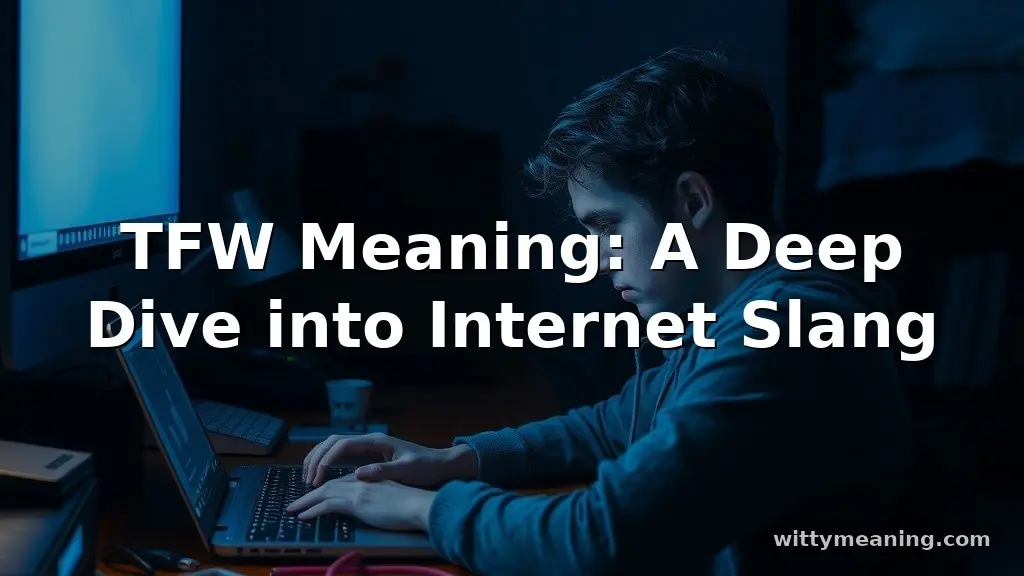

If you have spent any time scrolling through social media, you have likely encountered the phrase “tfw” followed by a cryptic image or a short, punchy sentence. Decoding the tfw meaning is essentially learning the language of modern digital empathy. It stands for “that feeling when,” and it serves as a linguistic bridge between a specific, often unspoken internal state and the external world.
By framing a situation with this prefix, users invite others to join in a shared moment of recognition, frustration, or pure, unfiltered joy. Understanding this piece of internet shorthand is key to grasping how we communicate complex emotions in the fast-paced environment of digital platforms.
The Origins of That Feeling When
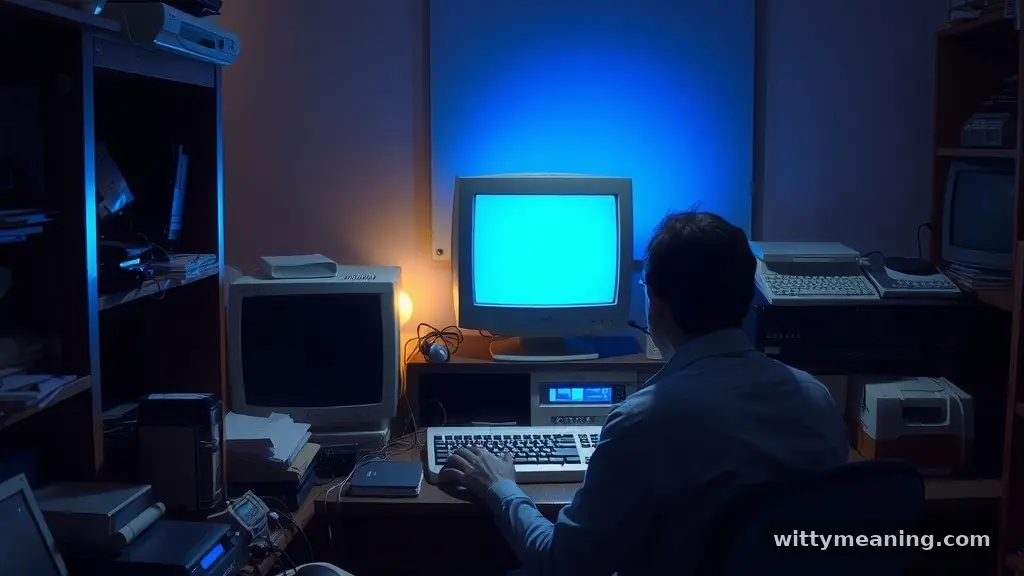
The acronym began as a piece of niche internet slang within message boards and early image-sharing communities. Before it dominated mainstream social media, it acted as a form of cultural shorthand for users who wanted to describe a situation without writing a long paragraph.
By leading with the phrase, a poster could instantly prime their audience for a specific mood. This evolution from obscure forum jargon to a global standard is a primary example of how internet linguistics adapt to the need for speed and emotional resonance.
Early adoption often involved pairing the text with reaction images that captured a very specific facial expression. These images weren’t just decorative; they were essential for conveying the nuance that text alone often misses.
As meme culture matured, the acronym became a staple of micro-blogging platforms where character counts were limited and brevity was a virtue. It remains one of the most effective ways to turn an individual experience into a collective one.
Anatomy of a Relatable Meme
At its core, the acronym functions as a setup for a punchline or a shared realization. When someone posts a photo of a person looking exhausted at a desk with the caption “tfw it is only Tuesday,” they are participating in a classic ritual of digital communication.
The beauty of this structure lies in its simplicity. It requires no complex setup because the reader is expected to have experienced the exact emotional state being described.
This relies heavily on the concept of relatable content. If the feeling isn’t universal, the meme fails to gain traction.
When it hits the mark, it creates a sense of belonging among strangers who have all felt the same sting of situational irony or the same warmth of a small victory. It is this emotional resonance that keeps the format alive across different generations and platforms.
Context Dependent Usage in Texting
While the acronym is famous for its role in memes, its use in casual text messaging is slightly different. In a private conversation, the tfw meaning shifts from being a public performance of relatability to a shorthand for personal updates. You might text a friend, “tfw you realize you left your keys in the car,” and they immediately understand the specific blend of panic and annoyance you are experiencing.
It acts as a substitute for long-form emotional description. Instead of detailing the frustration, you provide the label, and the recipient fills in the blanks.
This creates a more efficient flow of communication, especially during rapid-fire messaging sessions. It allows for a shorthand that feels more personal and less clinical than standard English, helping to maintain a casual, friendly tone between participants.
The Role of Reaction Images
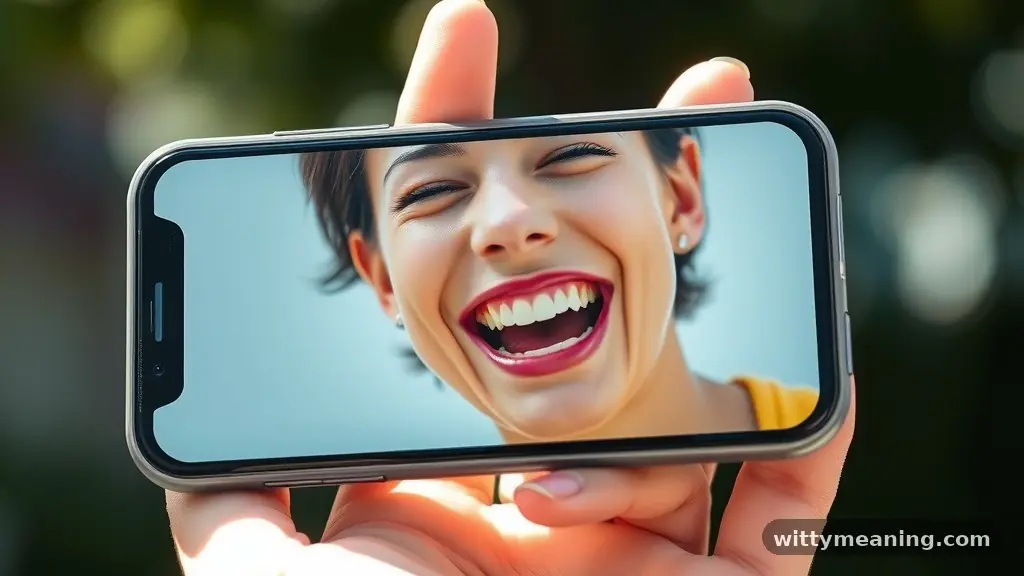
Visual storytelling is perhaps the most critical component of the phrase’s success. Without a visual anchor, the text can feel hollow.
A reaction image provides the necessary non-verbal cues that are otherwise absent in digital text. Whether it is a gif of a character sighing or a still from a movie showing someone looking bewildered, the image acts as the emotional weight for the caption.
You can explore more about the history of visual communication and its impact on how we process information via the Library of Congress digital archives, which documents the evolution of expression. When you pair an image with the acronym, you are essentially telling the reader exactly how they should interpret the following text. It is a guide for the viewer’s emotional response, ensuring that the intent of the post is not lost in translation.
Evolution of Internet Slang
Language is living, and the way we use digital acronyms changes as quickly as the platforms themselves. What started as a way to save keystrokes has become a deliberate stylistic choice.
Using “tfw” today is often a way to signal your familiarity with internet culture. It is a badge of digital literacy that tells others you are comfortable with the way online communities function.
We have seen this term migrate from pure humor to a tool for expressing genuine sentiment. It is no longer just for jokes about bad coffee or long commutes.
People now use it to share vulnerable moments, such as the feeling of relief after a hard week or the quiet contentment of a Sunday morning. This versatility is exactly why the phrase has stuck around when other, less flexible slang terms have faded into obscurity.
Sarcastic Tone and Situational Irony
A significant portion of how the acronym is utilized involves a heavy dose of sarcasm. The goal is often to highlight the absurdity of a situation.
By using a seemingly earnest phrase to describe a minor annoyance, the user creates a layer of situational irony. This is a common tactic used by keyboard warriors and casual social media users alike to vent about the trivialities of daily life.
Examples of Sarcastic Usage
- Tfw you finally get a notification but it is just a promotional email.
- Tfw you spend ten minutes looking for your phone while you are holding it.
- Tfw you realize the weekend is over before it even felt like it started.
These examples highlight how the acronym is used to mock the user’s own behavior. It is a form of self-deprecation that is widely accepted and even encouraged in online spaces. By laughing at ourselves, we build community and reduce the tension of the daily grind.
Comparison with Other Common Acronyms
It is helpful to see how this term stacks up against other staples of the digital vernacular. While many acronyms are used for speed, this one is specifically designed for emotional framing. The table below outlines how it differs from other popular terms in terms of intent and usage.
| Acronym | Primary Function | Emotional Context |
|---|---|---|
| TFW | Situational framing | Empathy and shared experience |
| LOL | Amusement | Lighthearted or ironic |
| SMH | Disappointment | Judgment or disbelief |
| IMO | Opinion | Neutral or subjective |
As you can see, the specific purpose of the phrase is to draw the reader into a specific state of mind. It is less about a reaction to a joke and more about establishing a shared perspective on a common human experience.
Platform Specific Usage Patterns
The way this acronym appears on different platforms is dictated by the UI and the audience. On image-heavy sites, the text is often embedded directly into the image itself, creating a self-contained unit of content. On text-based micro-blogging sites, the text is the primary driver, and the image might be an optional attachment.
This is a direct result of how we interact with these interfaces. When you are scrolling through a feed, you need the meaning to be clear instantly. The acronym provides that instant context.
It is an exercise in efficiency, where the goal is to transmit a complex emotional state in the shortest possible time. If you ignore the platform-specific conventions, your post is likely to be ignored by the algorithm.
Addressing Topical Gaps
Many people ask if there is a formal or professional application for this type of slang. The answer is generally no, but the boundaries are shifting.
While you wouldn’t use it in a formal report, it is increasingly common in internal team communications on platforms like Slack or Microsoft Teams. In these settings, it helps break down the barrier between professional and personal identities.
Another common gap is the confusion regarding capitalization. You will see it written as TFW, tfw, or even in lower case as a stylistic choice. There is no right or wrong way to format it.
The lowercase usage is often seen as more casual and understated, while the uppercase version can sometimes feel more emphatic or ironic. Ultimately, it comes down to the persona you are trying to project.
The Future of Digital Communication
As we look toward the future, the way we use expressions like this will continue to evolve. With the rise of AI and automated content, the need for human, relatable touches in our digital lives is only going to grow. The acronym is a perfect example of how we adapt our language to ensure that, no matter how digital our lives become, we can still share those small, intimate moments that make us human.
It is likely that we will see new iterations of this format, perhaps moving beyond text into more immersive visual or audio-based formats. However, the core principle will remain the same: the desire to reach out to another person and say, “I felt this, did you?” That fundamental human need for connection is what keeps the internet from being just a cold collection of data.
Frequently Asked Questions
Is it ever appropriate to use TFW in a workplace setting?
It depends on your company culture. In fast-paced, tech-forward, or creative industries, using it in internal chats can signal camaraderie and help build rapport. However, avoid using it in client-facing emails or formal documentation, as it can be perceived as unprofessional or dismissive of the subject matter.
Does the meaning change if I add an image?
The image is actually the most important part of the expression. The text provides the context, but the image provides the emotional payload. Without the image, the phrase is just a fragment of a sentence; with it, it becomes a complete story about a specific emotional state.
Why do people use lowercase for TFW?
Using lowercase is a stylistic choice that has become popular across social media. It often conveys a sense of being “low-effort” or “chill,” which fits perfectly with the self-deprecating nature of most memes. It is a way to ensure the tone remains casual rather than aggressive or overly formal.
Is there a difference between TFW and just saying “I feel like”?
Yes, there is a distinct difference in tone and intent. “I feel like” is a standard English phrase used to express an opinion or a state of being. “TFW” is a specific piece of internet slang that implies you are sharing a relatable meme or a moment of irony with an audience.
Conclusion
The tfw meaning is far more than just a simple acronym for a common phrase. It represents a sophisticated way of navigating social media, allowing users to distill complex, nuanced emotions into a single, punchy label. Whether you are scrolling through your feed for a laugh or trying to articulate a specific frustration to a friend, this shorthand provides the perfect vessel for your thoughts.
It reminds us that despite the vastness of the internet, we are all experiencing the same highs and lows of daily life. By embracing this digital vernacular, you gain a better understanding of how we connect in the modern age. Keep experimenting with how you express yourself online, and don’t be afraid to share those moments that make you feel like you are not alone.