
When you see the acronym DND pop up on your screen or hear it mentioned in a conversation, the intended message depends entirely on the context. You might be looking at a smartphone notification status or preparing for a weekend of fantasy adventures.
Grasping the dnd meaning requires looking at how this simple three-letter sequence bridges the gap between modern digital etiquette and classic tabletop hobbies. Whether you are trying to silence your phone for a deep work session or setting the stage for a legendary quest, this term serves as a vital shorthand for setting boundaries and defining your current level of availability.
The Digital Function of Do Not Disturb
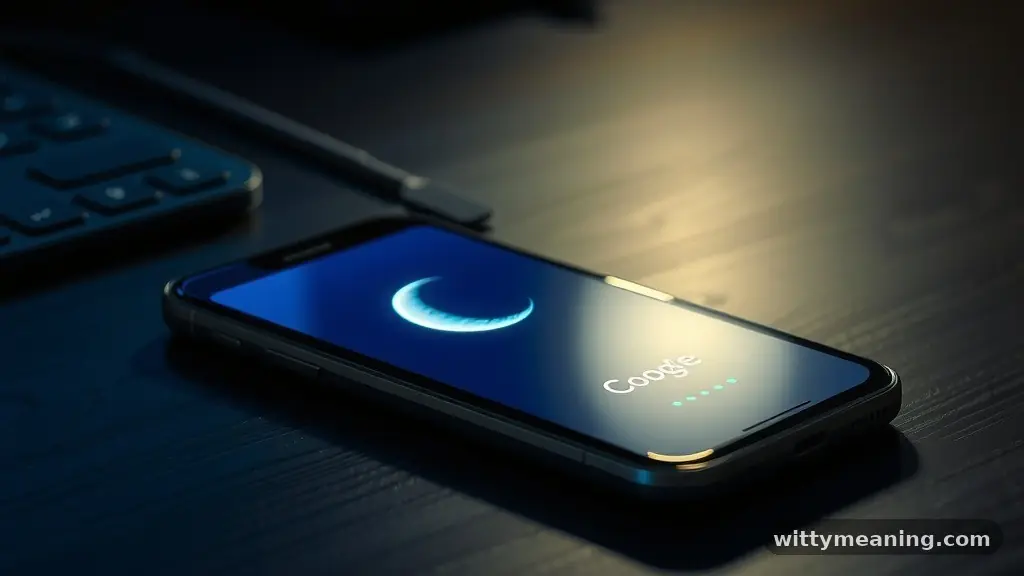
In the realm of mobile technology, the dnd meaning is synonymous with the Do Not Disturb feature found on virtually every modern device. This setting acts as a digital shield, preventing incoming calls, text messages, and app notifications from breaking your concentration.
When you enable this mode, your device stays silent, allowing you to focus on tasks or rest without the constant pinging of social media alerts. It is essentially a way to reclaim your time from the hyper-connected nature of current technology.
Most smartphone operating systems offer sophisticated customization for this feature. You can often whitelist specific contacts so that urgent calls still ring through, or you might set a schedule for the mode to toggle automatically at bedtime.
By leveraging these smartphone settings, you create a controlled environment where you dictate when you are reachable. This digital disconnection is increasingly important for mental clarity in an age where constant connectivity is the default expectation.
Dungeons & Dragons: The Classic Tabletop Experience
For many, the primary dnd meaning refers to Dungeons & Dragons, the influential tabletop role-playing game created by Gary Gygax and Dave Arneson in the 1970s. This game is the bedrock of modern fantasy gaming, providing a framework where players collaborate to tell stories through dice rolls and creative problem-solving. Unlike traditional board games, this experience relies on a Dungeon Master who narrates the world and interprets the actions of the players.
The cultural impact of this franchise cannot be overstated. It popularized the concept of character sheets, leveling systems, and complex narrative arcs that now define digital role-playing games.
When someone asks if you want to play D&D, they are inviting you to engage in a social activity that demands imagination and teamwork. It is a hobby that has transcended its niche origins to become a mainstream entertainment phenomenon, complete with podcasts, movies, and dedicated gaming clubs.
DND in Workplace Communication
In a professional setting, the dnd meaning often shifts toward an expression of availability or status. Many corporate messaging platforms like Slack, Microsoft Teams, or Discord allow users to set their status to Do Not Disturb to signal that they are currently in a meeting or focusing on a high-priority project. This practice is a cornerstone of modern office etiquette, helping teams manage expectations regarding response times.
Using this status effectively is about respecting interpersonal boundaries. If a colleague sees that you have enabled your interrupt mode, they are less likely to send non-urgent requests that distract you from your workflow.
However, it is essential to communicate clearly when you are available again. Overusing this status can sometimes lead to a perception of being unapproachable, so balancing your need for focus with open lines of communication is key to maintaining healthy professional relationships.
Text Messaging Slang and Social Media
Outside of formal settings, dnd meaning in text messaging slang often mirrors its digital function. If a friend tells you they are “on DND,” they are letting you know they aren’t ignoring you on purpose; they are simply unavailable for a conversation.
This is a common way to manage social anxiety or simply take a break from the pressure of instant replies. It has become a standard part of our digital vocabulary, helping people navigate social media status updates without needing to explain their every mood.
Using this shorthand is efficient, but it can occasionally cause friction if the other person feels snubbed. Context is everything.
If you are going into a movie or a meeting, sending a quick note before switching to this mode can prevent misunderstandings. It is a simple tool for managing your social energy, allowing you to curate your interactions rather than being constantly at the mercy of every incoming notification.
The Intersection of Gaming Terminology and Daily Life
The dual nature of this term occasionally leads to humorous confusion. A person might tell their partner they are going into “DND mode” for the evening, intending to start a D&D gaming session, while the partner interprets it as a desire for silence and disconnection.
This overlap highlights how language evolves based on the community using it. Understanding the specific context of a conversation is the only way to ensure you are interpreting the intent behind the term correctly.
| Context | Primary Meaning | Common Usage |
|---|---|---|
| Mobile Device | Do Not Disturb | Silencing notifications to focus. |
| Gaming | Dungeons & Dragons | Engaging in fantasy role-playing. |
| Workplace | Do Not Disturb status | Signaling unavailability for meetings. |
| Social Media | Unavailable | Setting boundaries for communication. |
Medical Abbreviations and Government Acronyms
While less common in everyday conversation, the acronym also appears in specialized fields. In some medical abbreviations, it might be used as a shorthand for specific diagnostic notes or patient care instructions, though this varies heavily by region and institution.
Similarly, government acronyms often adopt three-letter codes for various departments or programs. If you encounter the term in a formal document, always check the glossary or context provided to ensure you aren’t misinterpreting a highly specific institutional term.
It is worth noting that because these acronyms are so short, they are prone to duplication. Always prioritize the context of the document or conversation.
If you are reading a policy document from a local council, it is highly unlikely to refer to a tabletop game. Conversely, if you are looking at a forum for role-playing hobbyists, the medical or governmental definitions are almost certainly irrelevant.
Best Practices for Focus Mode and Digital Well-being

Managing your digital life effectively requires more than just knowing the dnd meaning; it requires active implementation of focus mode settings. By creating a routine where you switch your devices to a restricted state during specific hours, you protect your cognitive resources.
This is not just about avoiding distractions; it is about intentionality. When you choose to disconnect, you are deciding that your current activity—whether that is working, reading, or playing a game—deserves your full attention.
* Set a recurring schedule for your phone to enter this mode during work hours.
* Configure “emergency bypass” settings for family members or critical alerts.
* Use physical cues, like a status light or a closed door, to complement your digital status.
* Review your notification settings regularly to ensure you aren’t being interrupted by non-essential apps.
By treating these settings as a tool for productivity rather than a way to avoid people, you can cultivate a healthier relationship with your technology. Digital disconnection is a skill that must be practiced to be perfected.
The History and Evolution of Fantasy Gaming
The legacy of the tabletop role-playing game is vast. From the early days of Gygax and his collaborators at TSR, the hobby has grown into a global community.
You can find more historical information about the development of these games through the Library of Congress digital archives, which document the evolution of American popular culture. This history shows how a niche hobby involving paper, pencils, and dice helped build the foundation for the digital worlds we explore today.
The game has evolved through multiple editions, each refining the mechanics of combat, character development, and world-building. What began as a tactical simulation has transformed into a narrative-heavy experience that emphasizes creative storytelling. This evolution mirrors the broader changes in how we consume entertainment, moving from static experiences to interactive, player-driven stories.
Managing Interpersonal Boundaries in a Connected World
Communication etiquette in the digital age is complex. Setting your status to indicate you are unavailable is a valid way to protect your mental health and productivity. However, it should be paired with proactive communication.
If you are going to be away for a long time, let your friends or colleagues know. This prevents the anxiety of “ghosting” and maintains trust.
It is helpful to view these digital settings as a way to negotiate your time with others. By clearly defining when you are open to interaction and when you need space, you reduce the friction of constant demands. Remember that everyone is managing their own digital presence, and respecting their boundaries is just as important as setting your own.
Addressing Topical Gaps: Contextual Misunderstandings
A frequent point of confusion involves the overlap between the gaming acronym and the mobile status. People often ask if there is a way to distinguish the two when they appear in a chat status.
Generally, if the term is used as a status icon on a messaging app, it is a mobile feature. If it is mentioned in a sentence like “We are planning a DND session,” it is the game.
Another gap involves the use of the term in dating apps. Sometimes, it is used to signal that a person is busy or not looking for constant chat, which can be misread.
Clarifying your intent early in a conversation is the best way to avoid these common pitfalls. Being explicit about your communication style saves time and prevents unnecessary frustration for both parties.
FAQ
What does DND mean in a text conversation?
In a text, it usually means the person is busy and has enabled their phone’s Do Not Disturb mode. It is a polite way of saying they are unavailable to respond to messages immediately and will check in when they are free.
Is DND the same as being offline?
Not exactly. Being offline usually implies you are disconnected from the network entirely. Enabling this mode keeps you connected, but silences incoming notifications. You are still reachable, but your phone will not alert you to every incoming ping until you manually check it.
Why do gamers use the term DND?
Gamers use it as an abbreviation for Dungeons & Dragons. It is the standard way to refer to the game in writing. Because the game is so popular, the abbreviation is widely recognized within the gaming community and rarely confused with the mobile feature in that context.
How do I set up DND on my phone?
You can usually find this in your settings menu under Notifications or Sounds. Most phones allow you to create a schedule, set exceptions for specific contacts, and customize how the phone behaves when the mode is active, such as hiding notification banners on your lock screen.
Conclusion
Understanding the dnd meaning is all about recognizing the context in which the term appears. Whether you are setting boundaries with your smartphone to reclaim your focus or gathering friends for a tabletop role-playing session, this short acronym plays a significant role in how we navigate our digital and social lives. By using these tools thoughtfully—whether that means silencing your notifications for a productive afternoon or diving into a fantasy world with friends—you take control of your time and your interactions.
As you continue to interact with these concepts, keep in mind that the best way to avoid confusion is to communicate your intentions clearly. Embrace the flexibility these terms offer and use them to build a more balanced, intentional lifestyle in our increasingly connected world.