

When you encounter the acronym “tw” while scrolling through your favorite social media feeds, you are likely looking at a trigger warning. This shorthand has become a standard piece of internet culture, serving as a vital tool for digital communication in an era where we consume vast amounts of information daily.
Understanding the tw meaning helps you navigate online spaces with greater empathy and awareness, ensuring you can protect your own mental well-being while respecting the experiences of others. Whether you are a frequent poster or a casual observer, knowing how and when to use these labels is a fundamental part of modern social media etiquette.
The Core Concept Behind Trigger Warnings
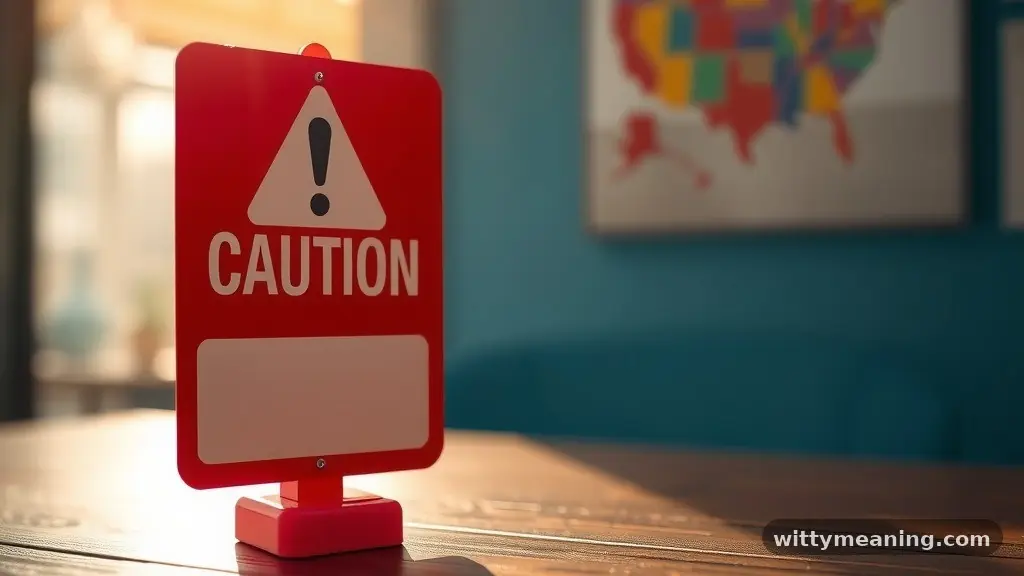
At its simplest, the tw meaning refers to a trigger warning. This is a brief disclaimer placed at the beginning of a post, video, or message to alert the audience that the content contains potentially distressing or sensitive material.
These topics often include depictions of violence, abuse, graphic imagery, or discussions related to mental health struggles. By providing this heads-up, creators allow their audience to make an informed decision about whether they are in a headspace to consume that specific content.
The primary goal of this practice is to cultivate psychological safety within digital communities. When someone has experienced trauma, certain images or descriptions can cause a sudden, involuntary reaction, often referred to as being “triggered.”
This physiological and emotional response can be debilitating, leading to heightened anxiety or a recurrence of distressing symptoms. By labeling content, creators aren’t necessarily censoring themselves; they are simply practicing basic consideration for the diverse lived experiences of their followers.
Evolution of Online Slang and Gen Z Terminology
The rise of “tw” as a standard abbreviation is a prime example of how Gen Z terminology has reshaped internet culture. While the concept of a content warning has existed in various forms for decades—such as movie ratings or parental advisory labels—the digital age demanded a more rapid, shorthand method.
On platforms like Twitter, where character limits once reigned supreme, brevity became essential. The transition from typing out the full phrase to using a two-letter acronym was natural and efficient.
This evolution mirrors the broader shift toward prioritizing mental health awareness in public discourse. As younger generations have become more vocal about their emotional needs, platforms have adapted.
What started as a niche practice in specific online forums has blossomed into a widespread expectation across TikTok, Instagram, and even professional messaging apps. It reflects a cultural move away from the “tough it out” mentality toward a more nuanced understanding of how media consumption impacts our daily lives and long-term mental health.
How to Use Trigger Warnings Appropriately
Integrating a trigger warning label into your content doesn’t need to be complicated, but it should be intentional. The most effective warnings are clear, concise, and placed in a location where they cannot be missed.
If you are posting a video on a platform like TikTok, the warning should ideally be in the first few seconds of the video or clearly stated in the text overlay. For written posts, placing the “TW” at the very top of the caption is standard practice.
When crafting your label, be specific if possible. Instead of just writing “TW,” consider adding a brief descriptor to help the reader understand what to expect. For example, “TW: Mention of needles” or “TW: Discussion of grief” is much more helpful than a vague warning.
This level of specificity respects the audience’s time and allows them to navigate their feeds without unnecessary stress. Remember that the goal is to provide a heads-up, not to create a clickbait-style environment where the warning itself becomes a source of anxiety.
The Role of Content Moderation and Platform Guidelines

Most major social media platforms have integrated features to assist with content moderation and filtering. While the user-generated “tw” remains a personal choice, platforms often provide built-in tools like “sensitive content” toggles.
These features allow users to blur images or videos that might be distressing, effectively acting as an automated trigger warning system. Understanding how your chosen platform handles these settings can help you manage your own feed and protect your peace of mind.
It is helpful to view these platform-level tools and individual trigger warnings as complementary forces. While algorithms are getting better at identifying graphic content, they cannot always detect the nuance of human emotion or specific personal triggers.
Therefore, the human element—the conscious decision to add a “tw”—remains a powerful part of social media etiquette. It signals that you care about the impact of your words and images on the people consuming them, which is a key component of building a healthy online community.
Impact on Accessibility and Inclusivity
The use of trigger warnings is also a matter of accessibility. By providing context for what lies ahead, you are ensuring that your content is accessible to people with varying emotional capacities and histories.
Think of it as a form of digital universal design; just as ramps are necessary for physical accessibility, emotional signposts are necessary for digital accessibility. When we ignore these needs, we effectively exclude people who might otherwise engage with our ideas or art.
Furthermore, utilizing these labels fosters a more inclusive environment where people feel comfortable sharing their stories. If a creator is known for being trauma-informed and consistently uses warnings, their audience is more likely to engage in deep, meaningful conversations.
It creates a sense of trust between the creator and the community. This trust is the bedrock of any healthy, long-term digital relationship, and it is largely built on the simple, consistent act of being mindful of one’s impact on others.
Navigating Sensitive Content in Digital Communication
When we discuss the tw meaning, we must address the reality of sensitive content in modern discourse. Whether you are dealing with news reports, personal anecdotes, or artistic expressions, the internet is filled with heavy topics.
Navigating this landscape requires a balance between staying informed and maintaining your own self-care. It is not a sign of weakness to avoid certain topics; it is a sign of self-awareness.
If you find that your feed is consistently overwhelming, you have the power to curate your digital environment. Many people use the “mute” or “block” features to filter out specific keywords or accounts that consistently post distressing content without warnings.
This is a proactive way to manage your mental health. You can find more information on managing your digital habits through resources like the National Alliance on Mental Illness, which offers guidance on maintaining balance while staying connected to the world around you.
Common Misconceptions About Trigger Warnings
One of the most frequent criticisms of the “tw” label is that it encourages avoidance or fragility. However, experts in psychology often argue the opposite. By providing a warning, you are giving the individual a sense of control.
When someone chooses to view a piece of content despite a warning, they are doing so intentionally. This is a far cry from the distress caused by being blindsided by graphic imagery while simply scrolling through a feed.
Another common misconception is that trigger warnings are only for “extreme” cases. In reality, they are for any content that might cause a negative reaction. This includes everything from discussions of eating disorders to depictions of common phobias like spiders or heights.
The spectrum of human experience is vast, and what might seem benign to one person can be a significant hurdle for another. Acknowledging this diversity is a hallmark of a mature and empathetic online presence.
Comparing Traditional and Modern Content Warnings

To better understand how these labels function across different media, it helps to compare them. The following table highlights the differences between historical content warnings and the modern digital approach.
| Feature | Traditional Media (TV/Film) | Social Media (Digital) |
|---|---|---|
| Placement | Beginning of show/movie | Beginning of post/caption/video |
| Control | Institutional (Broadcaster) | Individual (Creator) |
| Detail | Categorical (e.g., “Rated R”) | Specific (e.g., “TW: Mention of loss”) |
| Adaptability | Static and slow to change | Dynamic and instant |
This comparison illustrates how much more agile the modern approach is. While traditional ratings are useful, they lack the granularity that social media users have come to expect. The shift toward user-led labeling allows for a more personalized experience, which is essential when every user is curating their own unique feed of information.
How to Handle Being Triggered Online
Even with the best intentions and widespread use of labels, you will inevitably encounter content that catches you off guard. If you find yourself feeling overwhelmed or triggered, prioritize your mental well-being immediately.
Step away from the screen, take several deep breaths, and engage in a grounding activity. This could be as simple as drinking a glass of water, walking outside, or focusing on five things you can see in your room.
It is also important to remember that you are not obligated to finish reading or watching anything that causes you distress. You have the right to curate your experience.
If a particular account consistently posts content that affects your mood without warning, don’t hesitate to unfollow or mute them. Protecting your mental peace is not an act of selfishness; it is a necessary maintenance task in a world that is constantly demanding your attention.
Best Practices for Future-Proofing Your Content
As we look toward the future of digital interaction, the importance of clear communication will only grow. If you are a content creator, consider building a standard “warning system” into your workflow.
This could involve creating a list of topics you frequently cover that might require a warning. Having a checklist can make the process automatic and ensure you never forget to add that crucial “tw” when it matters most.
* Audit your content library periodically to identify recurring themes that might need warnings.
* Ask your community for feedback on how they prefer to see warnings displayed.
* Use clear, bold text for your labels so they stand out from the rest of your caption.
* Stay updated on evolving platform guidelines regarding sensitive media.
* Practice empathy by considering how a first-time viewer might perceive your post.
Following these practices will not only help you stay compliant with platform standards but will also help you build a more loyal, appreciative audience. When your followers feel safe interacting with your content, they are more likely to share it, comment on it, and engage in the meaningful discussions you are trying to foster.
Addressing Topical Gaps in Digital Etiquette
A recurring question is whether “tw” is becoming less relevant as AI-driven content filtering becomes more sophisticated. While it is true that technology is improving, the human element of “tw” serves a different purpose.
AI can identify a photo of a needle, but it cannot identify the context of a personal story about medical trauma. Therefore, the human-led warning acts as a bridge between the content and the viewer’s emotional state.
Furthermore, there is a gap in understanding regarding the difference between “tw” and “cw” (content warning). While they are often used interchangeably, some communities distinguish between them, with “cw” being used for broader, less trauma-specific topics.
Knowing the nuances of these labels can help you communicate more effectively within specific niches. As you engage more in online discourse, you will likely encounter these variations and can adjust your terminology to match the conventions of the specific group or platform you are currently participating in.
Frequently Asked Questions
What does tw mean in texting?
In a text message, “tw” stands for trigger warning. It is used to alert the recipient that the following message contains sensitive or potentially distressing information. It is a polite way to ensure the other person is prepared for the topic before they read the content.
Is it necessary to use a trigger warning on every post?
No, it is not necessary to use a trigger warning on every post. They should be reserved for content that covers sensitive, graphic, or emotionally heavy topics that could realistically cause distress to someone who has experienced trauma or struggles with their mental health.
How do I know if my content requires a trigger warning?
If your content depicts or discusses violence, abuse, self-harm, graphic medical procedures, or other potentially distressing topics, it likely requires a warning. When in doubt, it is usually better to include a brief, respectful label to ensure your audience feels safe engaging with your work.
Can I get in trouble for not using a trigger warning?
While you generally won’t face legal trouble for omitting a trigger warning, you might face platform-specific consequences if your content violates community guidelines regarding sensitive media. More importantly, failing to use them can lead to negative community feedback and a loss of trust from your followers.
Conclusion
Understanding the tw meaning is about more than just knowing an acronym; it is about embracing a culture of empathy and mutual respect in the digital age. By consistently using trigger warnings, you contribute to a safer, more inclusive environment where everyone has the opportunity to engage with content on their own terms. This practice is a simple yet powerful way to show consideration for the diverse experiences of your online community.
As you continue to share your voice and consume the stories of others, remember that the digital world is a shared space. Your small, intentional actions—like adding a warning label—have a ripple effect that builds trust and fosters better communication. Continue to prioritize your mental well-being, stay curious about the evolving norms of the internet, and don’t be afraid to engage in conversations that prioritize the human experience behind the screen.