

If you have stumbled upon the acronym TMU in a message or comment section, you are likely wondering what it stands for in the fast-paced world of digital communication. While internet slang evolves rapidly, figuring out the tmu meaning in text is relatively straightforward once you understand the context of the conversation.
Most often, this abbreviation is a shorthand for “Turn Me Up,” a phrase deeply rooted in music culture and social interaction. Whether you are scrolling through TikTok or reading a quick text from a friend, understanding these shorthand terms helps you keep up with the ever-changing landscape of online messaging.
Understanding the Core Meaning of TMU
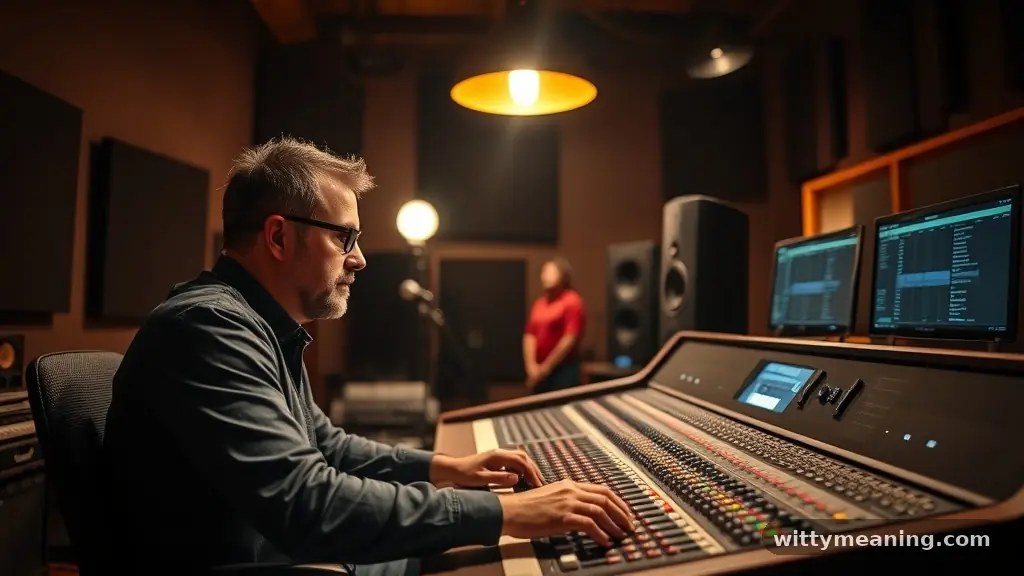
At its simplest, the slang acronym TMU stands for “Turn Me Up.” This phrase originated in the recording studio, where artists would ask sound engineers to increase the volume of their vocals or the backing track. Over time, it transitioned from technical studio jargon into a broader piece of internet vernacular used to express excitement, hype, or a request for more energy.
When someone uses it in casual texting, they are usually signaling that they are feeling the vibe of a moment. It serves as a call to action, suggesting that you should increase the intensity or enthusiasm of whatever you are currently doing. Because it is so flexible, you might see it used in various situations:
- Social media comments: Used to show support for a friend’s post or a viral video.
- Music promotion: Frequently found in captions discussing new tracks or concert experiences.
- General hype: Employed to encourage someone to get excited about an upcoming event or plan.
TMU in Music Culture and Rap Lyrics
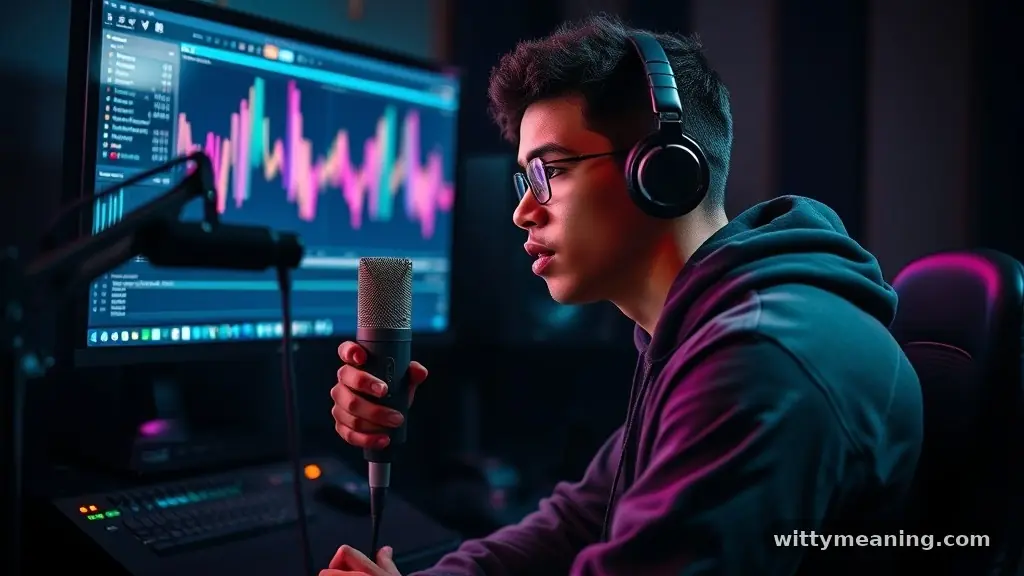
The influence of Don Toliver and other contemporary artists has played a massive role in cementing this term within modern youth slang. In many rap lyrics, “Turn Me Up” functions as a hype-man phrase, designed to amplify the listener’s mood. Because music culture heavily dictates Gen Z terminology, the transition from song lyrics to daily social interaction was almost inevitable.
When you see it in an Instagram comment or a TikTok caption involving music, it is usually a direct nod to this high-energy lifestyle. It implies that the content is so good it deserves to be played at maximum volume. This usage highlights how language often mirrors the beats and rhythms of the media we consume daily.
Context Matters: Decoding Social Media Trends

Interpreting the tmu meaning in text requires you to look at the platform where the message appeared. Snapchat abbreviations and other platform-specific slang often carry different weight depending on who is sending the message. While “Turn Me Up” is the primary definition, you should always consider the relationship between the sender and the receiver.
Common Variations and Interpretations
While “Turn Me Up” is the standard, language is fluid. Sometimes, users adopt acronyms for niche inside jokes or regional slang. To help you differentiate, consider the following table of common contextual uses.
| Platform | Typical Usage | Tone |
|---|---|---|
| TikTok | Requesting more hype or energy | Excited/Energetic |
| Snapchat | Casual check-in or vibe check | Informal/Friendly |
| Supporting a post or music clip | Appreciative/Hype |
Addressing Potential Misinterpretations
One of the biggest challenges with acronym interpretation is that some terms have multiple meanings depending on the industry or subculture. While “Turn Me Up” is the dominant definition in social media context, you might occasionally stumble upon less common uses. For instance, in technical or academic circles, TMU might refer to a “Technical Management Unit” or a specific university, such as Toronto Metropolitan University.
However, if you are looking at a text message or a comment thread, the technical definition is almost certainly irrelevant. Always prioritize the social context.
If the message is about a party, a song, or a night out, stick with the “Turn Me Up” definition. If the message is related to logistics or an institutional announcement, the acronym likely refers to a specific organization or project management term.
FAQ
Is TMU considered offensive?
No, TMU is not offensive. It is a casual, high-energy term used primarily to express excitement or to encourage someone to increase their enthusiasm. It is widely considered safe for use in most social settings, though it is usually too informal for professional business communications.
Does TMU always mean Turn Me Up?
While “Turn Me Up” is the most common meaning in social media communication, it is not the only one. Depending on the context, it could refer to specific institutions or technical project roles. However, in 99% of casual text exchanges, it refers to the music-related hype phrase.
Why do people use abbreviations like TMU?
People use these acronyms to facilitate digital communication that feels quick, rhythmic, and native to the platform they are using. It is a part of linguistic evolution where brevity is prioritized, allowing users to express complex emotions or hype levels without typing out long phrases.
Can I use TMU in a professional email?
It is best to avoid using TMU in professional emails. Because it is rooted in casual texting and internet culture, it may come across as unprofessional or confusing to colleagues who are not familiar with current slang. Stick to standard English when communicating in a formal work environment.
Final Thoughts on Modern Slang
Mastering the tmu meaning in text is essentially about recognizing how music, social media, and digital habits shape the way we talk to one another. Whether you are using it to hype up a friend or simply trying to understand a comment on your latest post, the term is a perfect example of how quickly language adapts to fit our online lives. As you continue to interact with others online, keeping an eye on these trends will help you stay connected and understood.
Don’t be afraid to embrace the evolution of language, as it is the heartbeat of our digital social interaction. If you have any other slang terms you are curious about, feel free to look them up and keep building your knowledge of modern vernacular.