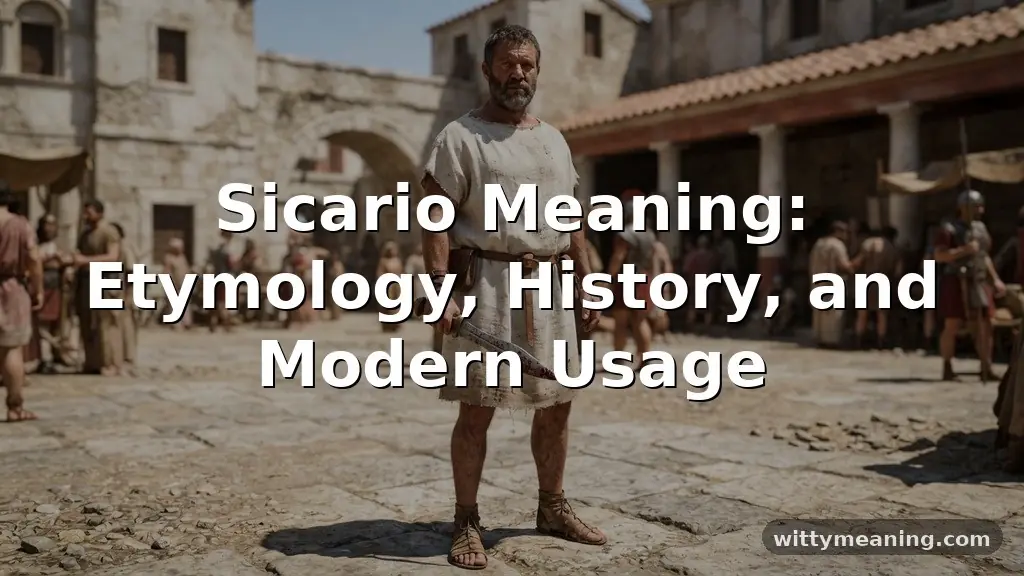

The term sicario carries a heavy weight in contemporary pop culture, often conjuring images of ruthless figures operating within the shadows of the Mexican drug war. However, the sicario meaning is far older and more complex than its modern association with the cartel suggests.
To truly understand the term, one must look past the silver screen and into the ancient annals of Roman Judea, where the word first emerged to describe a specific class of political agitators. While today it is synonymous with a hitman or contract killer, its historical roots are embedded in the volatile landscape of the first century, where the use of a hidden blade became a symbol of resistance against imperial power.
The Etymological Roots and Historical Origins
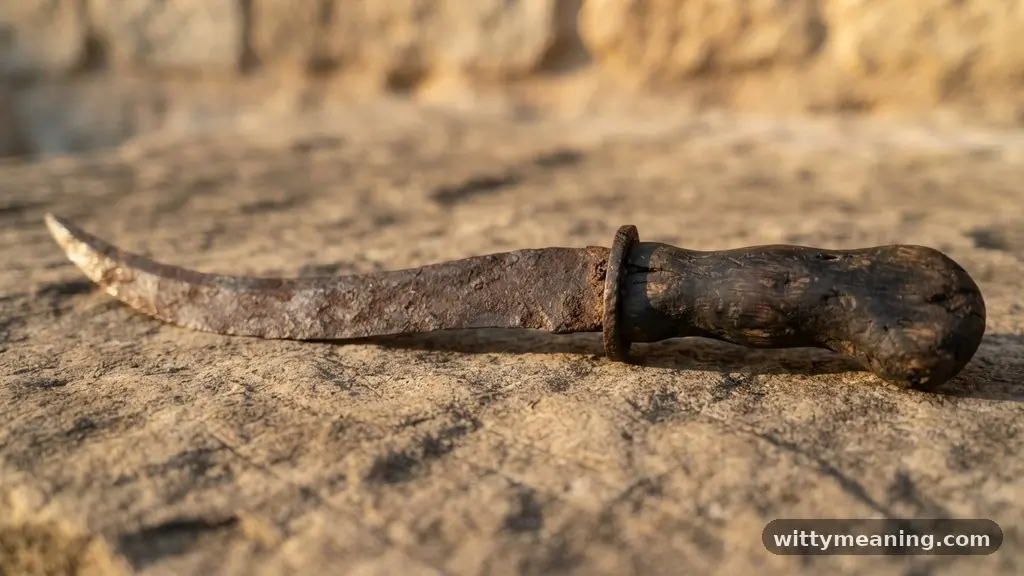
At its core, the etymology of the word is rooted in the Latin language, specifically deriving from the term sicarius. This noun was used by the Romans to denote an assassin or a man who commits murder by the sword.
The deeper, more foundational root is the word sica, which translates to a short, curved dagger. This specific weapon was the hallmark of the sicarii, a group of radical Jewish Zealots who operated during the period of the Judean insurgency against the Roman Empire.
The historical context provided by the historian Josephus in his seminal work, Antiquities of the Jews, offers the most detailed account of these figures. Josephus describes them as men who would mingle with crowds during festivals in Jerusalem, concealing their daggers beneath their garments. They were not merely common criminals; they were political actors who targeted those they perceived as collaborators with Roman authorities.
This historical linguistic connection is vital because it distinguishes the original sicarii from the common mercenary. They were driven by ideology rather than simple financial gain, making them a unique case study in political violence. Over centuries, the term underwent a semantic shift, losing its specific connection to ancient Judean rebels and evolving into a general descriptor for a covert, lethal operative working within the underworld.
Evolution from Ancient Rebel to Modern Operative
The transition of the term from a specific group of first-century insurgents to a general label for a violent operative is a fascinating example of how language adapts to shifting power structures. In the centuries following the fall of Jerusalem, the term gradually faded from common usage before being absorbed into the Spanish language.
In this linguistic migration, the term retained its association with stealth and lethal intent. By the time it reached the modern era, particularly in Latin America, it had been stripped of its religious and nationalist connotations and repurposed to describe individuals operating within the sphere of organized crime.
The modern sicario is essentially a product of the illicit trade networks that have defined much of the 20th and 21st centuries. Unlike the historical sicarii, who viewed themselves as martyrs or freedom fighters, the modern equivalent is typically defined by their relationship with a cartel. They are the enforcement arm of these organizations, tasked with maintaining territory, eliminating rivals, and ensuring the flow of contraband.
This evolution reflects a broader trend in historical linguistics where words for “assassin” often originate from specific cultural or political groups before becoming generic terms for hired killers. The move from the ideological dagger-wielder of the Levant to the machine-gun-toting foot soldier of the Americas represents a fundamental change in the nature of the violence performed by the person bearing the title.
Distinguishing the Sicario from the Common Hitman
While the terms are often used interchangeably in casual conversation, there is a distinct nuance between a traditional hitman and a sicario. In the English-speaking world, a hitman is often viewed as a freelance operator—a contract killer who is hired for a specific job and then disappears. They may be highly professional, clinical, and detached from the broader goals of a criminal enterprise.
In contrast, the sicario is almost always an integral, if expendable, member of an established hierarchy. Their identity is tied to the organized crime structure they serve.
| Feature | Traditional Hitman | Modern Sicario |
|---|---|---|
| Organizational Ties | Usually independent or freelance | Embedded in a cartel structure |
| Motivation | Financial gain (contract fee) | Territorial control and loyalty |
| Operational Scope | Targeted, individual contracts | Systemic violence and intimidation |
| Primary Weaponry | Concealed, precision tools | High-caliber, military-grade arms |
The table above illustrates that while both roles involve lethality, the operational environments differ significantly. A hitman might work in a city to solve a personal or business dispute for a third party, whereas a sicario is a cog in a massive, militarized machine. Their violence is often performative, meant to send a message to rivals or the public, which aligns more closely with the terror-inducing tactics of the historical group than the quiet, professional killing associated with a classic contract killer.
The Role of the Cartel in Defining Modern Violence
To understand the current sicario meaning, one must examine the environment of the Mexican drug war. In this context, these individuals are not just killers; they are the primary enforcers of sovereignty for criminal syndicates. In regions where the state’s reach is limited or compromised, the cartel effectively becomes the governing body.
The sicario acts as the police, the executioner, and the soldier. This role requires a level of indoctrination that goes far beyond the simple act of killing.
They are often recruited from impoverished backgrounds, promised status, protection, and income that would be otherwise unattainable. This creates a cycle where the violent operative becomes trapped in a system of absolute loyalty. The term has become so ingrained in the regional dialect of Mexico and Colombia that it carries a psychological weight—it is a label of fear.
When a local population hears that a sicario has arrived in their area, the implication is that the law of the state has been superseded by the law of the organization. This dynamic highlights the difference between a criminal act and a systemic enforcement mechanism. The sicario is the physical manifestation of a shadow government, ensuring that the illicit economy remains unchallenged through the systematic application of force.
Societal Impact and Cultural Representations
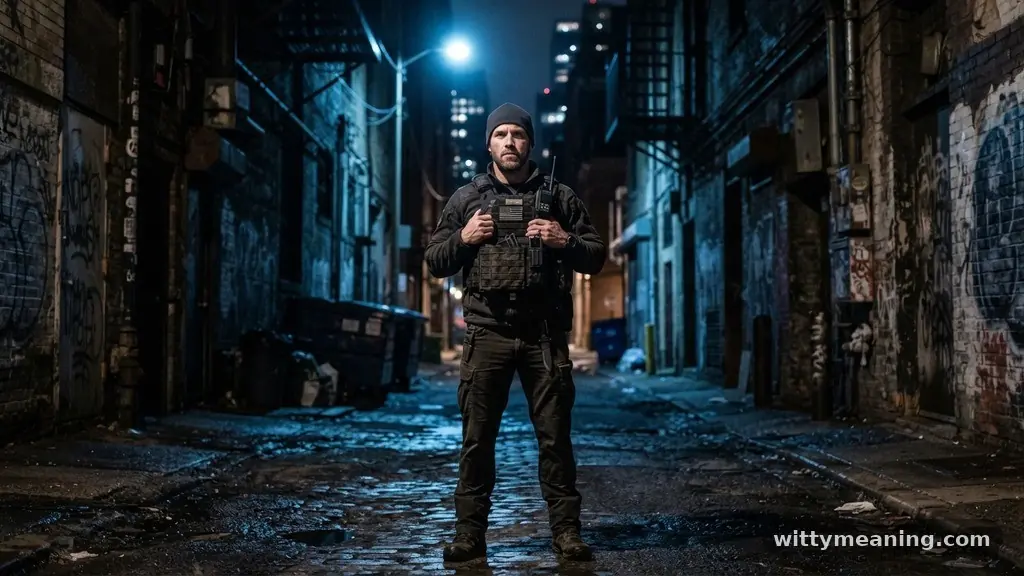
The cultural obsession with the figure of the killer has led to a proliferation of films, television series, and literature that frequently utilize the term. This media representation has significantly influenced global perception, often romanticizing or sensationalizing the life of a sicario.
In many of these narratives, the focus is on the tactical prowess and the moral ambiguity of the character, which sometimes obscures the brutal reality of their actions. This creates a disconnect between the cinematic depiction and the lived experience of those in regions plagued by organized crime.
However, some portrayals attempt to capture the grim reality of the profession. They depict the life as one of constant paranoia, short lifespans, and the inevitable betrayal that comes with working in an environment where trust is a liability.
By exploring the sicario meaning through various lenses, we can see that the character is often a tragic figure in his own right—someone who has traded their humanity for a brief moment of power within a corrupt system. This cultural fascination serves as a double-edged sword: it brings awareness to the violence occurring in these regions, but it also risks turning human tragedy into entertainment, potentially diluting the gravity of the term itself.
Addressing Topical Gaps: Beyond the Pop Culture Trope
A common gap in the public understanding of this topic is the failure to distinguish between the various levels of “enforcement” within criminal groups. Not every person who commits violence for a group is a sicario. There is a hierarchy.
At the top, there are strategists and leaders, and at the bottom, there are lookouts (halcones) and logistics personnel. The sicario sits in the middle, specifically tasked with high-level violence.
Furthermore, the term is not strictly limited to the drug trade. It has been historically applied to political assassins and even those working for corrupt state actors.
Another frequently overlooked aspect is the gender and age shift in recruitment. While historically an adult male profession, the modern landscape has seen the emergence of younger, and at times female, operatives. This diversification is a tactical response by organizations to avoid profiling by security forces.
Understanding the sicario meaning requires acknowledging that these groups are adaptive, evolving entities. They do not remain static; they change their methods, their recruitment strategies, and their operational definitions to survive in an increasingly digitized and monitored world. This adaptability is perhaps the most dangerous aspect of their existence, as it makes them incredibly difficult to track or dismantle.
Linguistic Variations and Regional Dialects
The term is not used identically across all Spanish-speaking nations. While it is most famously associated with Colombia and Mexico, its application varies based on the local regional dialect and the specific nature of the crime in those areas.
For instance, in some parts of the world, a person might use the term to describe a petty criminal or a bully, while in others, it retains its lethal, professional connotation. This semantic fluidity is common in slang, where words are constantly repurposed to suit the needs of the community.
* In Colombia, the term gained prominence during the era of the Medellín Cartel, where it specifically referred to motorcycle-riding gunmen.
* In Mexico, it is often used to describe members of “special forces” within a cartel, who are often trained in military-style tactics.
* In historical contexts, it refers strictly to the Judean insurgency fighters of the first century.
* In general usage, it has become a shorthand for any individual who sells their lethal services.
This variation underscores the importance of context. When analyzing the term, one must always ask: who is using it, where are they, and what specific type of activity are they referring to? The word is a living, breathing entity that changes color depending on its environment.
The Psychological Toll and the Cycle of Violence
The life of a sicario is rarely long, and it is almost never peaceful. The constant exposure to extreme levels of violence, coupled with the necessity of maintaining a facade of absolute hardness, takes a profound psychological toll.
Many of these individuals suffer from what could be described as an occupational hazard of extreme stress and hyper-vigilance. They are forced to live in a state of perpetual readiness, knowing that they are just as likely to be the target as they are the perpetrator.
This environment creates a cycle of violence that is difficult to break. Once someone enters this life, the exit strategies are limited. The skills they acquire are not transferable to the civilian economy, and the enemies they make are often lifelong.
This leads to a sense of fatalism that permeates their culture. They operate under the assumption that their time is limited, which in turn encourages riskier, more violent behavior. This fatalistic worldview is not just a personal tragedy; it is a structural component of the organization, as it ensures that the violent operative remains focused on the immediate task without worrying about long-term consequences.
FAQ: Common Questions Regarding the Term
Is the term Sicario used in the Bible or religious texts?
The term is not explicitly found in the Bible, but it is deeply linked to the period of the Judean insurgency documented by Josephus. While not a biblical term, it describes the very people who were active during the era of the Second Temple, providing historical context for the volatile environment of that time.
What is the primary difference between a sicario and a hitman?
A hitman is typically an independent, freelance contractor who operates on a per-job basis. A sicario, however, is usually a permanent, embedded member of an organized crime hierarchy, such as a cartel, and is responsible for ongoing enforcement, territorial defense, and systemic intimidation rather than just individual contracts.
Does the word have an Italian origin?
While the word has Latin roots, it is not strictly Italian. However, because both Italian and Spanish share Latin linguistic ancestry, there are similarities to terms used in Italian to describe assassins. The direct lineage of the word is from the Latin sicarius, which refers to the dagger-wielding rebels of ancient history.
Why is the term so frequently associated with the Mexican drug war?
The term gained massive modern relevance due to its widespread use by media and law enforcement to describe the enforcement wings of Mexican cartels. Because these groups operate with military-like structure and extreme violence, the label became the standard descriptor for their foot soldiers in the public imagination.
Conclusion
The sicario meaning has traveled a vast distance through history, evolving from the specialized, ideological dagger-wielders of Roman Judea to the modern, mechanized enforcers of the global cartel network. While the tools of the trade have shifted from the sica to modern assault weapons, the underlying dynamic remains: a group of individuals operating outside the formal boundaries of law, exerting power through the calculated use of violence. Understanding this term requires looking past the cinematic gloss and recognizing the complex intersection of etymology, history, and the harsh realities of contemporary organized crime.
By dissecting the semantic shift that has occurred over two millennia, we gain a clearer picture of how language mirrors the darkest aspects of human society. Ultimately, the figure of the killer, regardless of the era, serves as a grim reminder of the fragility of order and the persistent presence of those willing to use force to reshape the world to their own ends. Recognizing the true history of the word allows us to see beyond the myth and appreciate the sobering reality of the violence that continues to shape our global landscape today.