
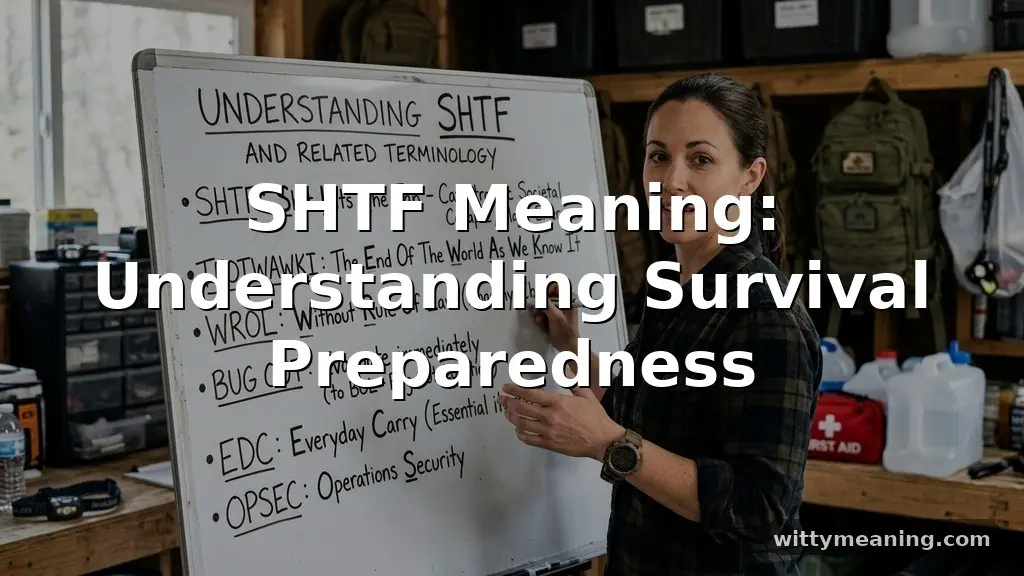

When you first encounter the acronym SHTF, it might seem like just another piece of internet slang, but the term carries significant weight within the emergency preparedness community. At its core, the SHTF meaning refers to a moment when the status quo collapses, forcing individuals to rely entirely on their own infrastructure, skills, and immediate community.
Whether it stems from a sudden natural disaster or a long-term societal breakdown, the term signifies the tipping point where standard public services are no longer available. Understanding these dynamics is essential for anyone looking to move beyond casual hobbyism and into a state of genuine readiness for life-altering events.
Defining SHTF and Related Terminology
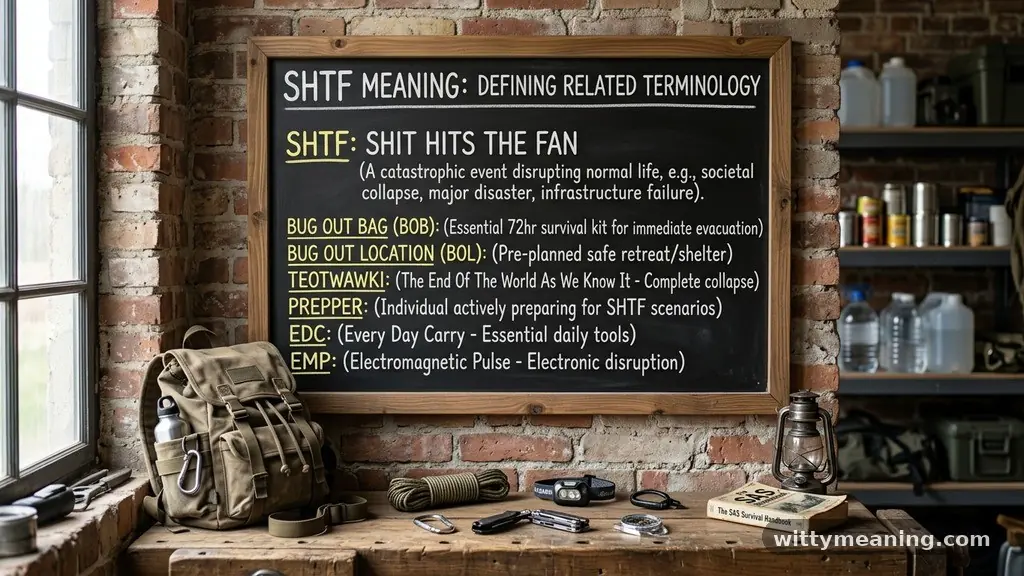
The acronym stands for “Shit Hits The Fan,” a colloquialism that captures the chaotic nature of a sudden, widespread emergency. In the context of survivalism, it describes a scenario where the normal functioning of society is disrupted, and individuals must fend for themselves. While the phrase is often used interchangeably with other terms, it is important to distinguish between various levels of severity.
Many people confuse SHTF with TEOTWAWKI, which is an acronym for “The End Of The World As We Know It.” While SHTF can describe a localized event like a temporary blackout, TEOTWAWKI implies a permanent, systemic shift that cannot be reversed.
Another common term you will encounter is WROL, or “Without Rule of Law,” which specifically refers to a breakdown in government authority and law enforcement. These distinctions matter because the strategies required to survive a two-week power outage differ drastically from those needed for a total societal collapse.
Common SHTF Scenarios
Most preparedness experts categorize emergencies based on their duration and scope. While some focus on global catastrophes, it is far more practical to prepare for more localized emergencies first. These are the events most likely to impact your daily life, such as severe weather, industrial accidents, or infrastructure failures.
When evaluating potential risks, consider these common categories:
- Natural Disasters: Earthquakes, hurricanes, and wildfires that can cut off supply lines for weeks.
- Economic and Social Instability: Situations involving civil unrest or significant strikes that disrupt logistics.
- Infrastructure and Cyber Threats: Large-scale grid down events caused by cyberattacks or physical damage to power stations.
- Public Health Crises: Pandemics that force lockdowns and strain supply chains, making basic necessities like food, clean water, and medicine scarce.
Infrastructure and the Grid Down Concept
A grid down event is perhaps the most significant concern for modern preppers. Because our society is built on complex, interdependent systems, the loss of electrical power often triggers a domino effect. When the grid goes dark, communication networks fail, gas pumps cease to function, and water distribution systems grind to a halt.
If you are interested in official data on how national power grids are managed, you can review the Department of Energy grid modernization programs to see how experts evaluate these vulnerabilities. Beyond just electricity, this concept extends to the loss of financial infrastructure.
If credit card processors go offline, the economy effectively halts, leaving cash and barter as the only viable methods of exchange. Preparing for this reality requires a shift toward independence from centralized utilities, such as installing solar arrays or maintaining a robust manual water filtration system.
The Difference Between a Prepper and a Survivalist
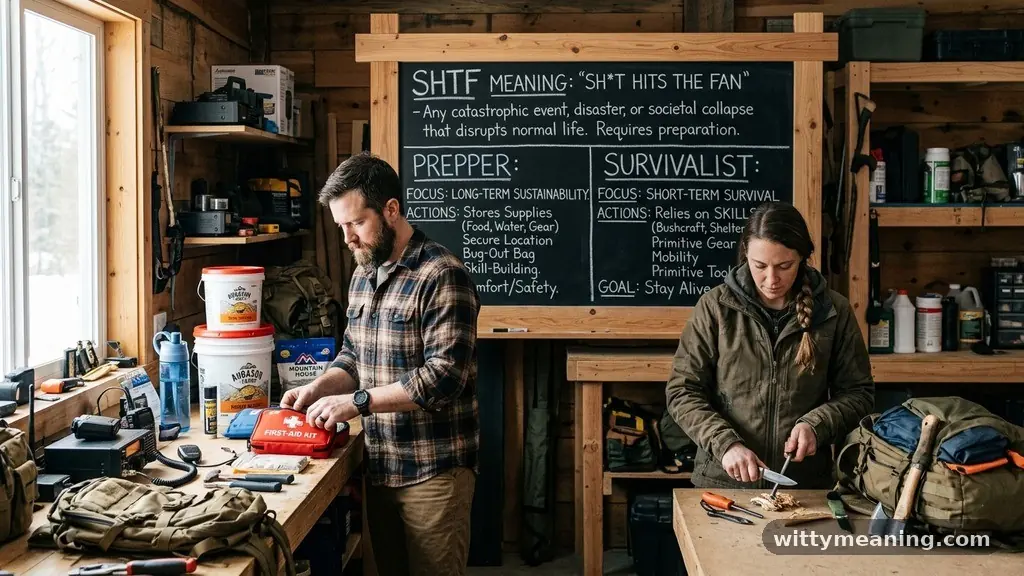
While the media often lumps these groups together, there is a nuanced difference between a prepper and a survivalist. A prepper is primarily focused on the long-term maintenance of a lifestyle during and after an event. They emphasize stockpiling, resource management, and building systems that allow for a degree of normalcy in abnormal times.
In contrast, a survivalist is often more focused on immediate, short-term resilience in hostile environments. They prioritize bushcraft, tactical skills, and the ability to navigate wild or dangerous landscapes.
While the two mindsets overlap, the prepper is more likely to focus on household security and sustainable agriculture, whereas the survivalist might prioritize mobility and self-defense. Most successful individuals in this space adopt a hybrid approach, combining the logistical planning of a prepper with the field skills of a survivalist.
Water Filtration: Access to Clean Resources
Water is the single most important element of survival. In any SHTF scenario, the municipal water supply is usually the first thing to be compromised.
Without electricity to run pumps or chemicals to treat the water, the local supply becomes a major health risk. Access to clean water is not just about having a few cases of bottled water in the garage; it is about having a sustainable, long-term plan.
Mechanical repair skills also play a role here. Knowing how to fix a broken well pump or how to construct a gravity-fed sand filter can be the difference between health and illness. You should maintain a multi-tiered approach: bottled water for immediate needs, large storage tanks for short-term gaps, and a reliable filtration device like a ceramic filter or a high-quality purification system for long-term water sourcing from local streams or rain barrels.
Economic Collapse and Inflation
Economic instability is a frequent topic in survival discussions, particularly regarding the risk of hyperinflation or a total currency failure. When money loses its value, the entire supply chain becomes unreliable. Making basic necessities like food, clean water, and medicine scarce is a common outcome of such instability.
To mitigate this, many people diversify their assets. While gold and silver are traditional hedges, many modern preppers also focus on tangible assets that have immediate utility.
Think of items that people will always need, such as high-quality tools, seeds, hygiene supplies, and non-perishable food. If the economy takes a downturn, these items can serve as a form of currency, allowing you to barter for services or goods that you cannot produce yourself.
Building a Community Network
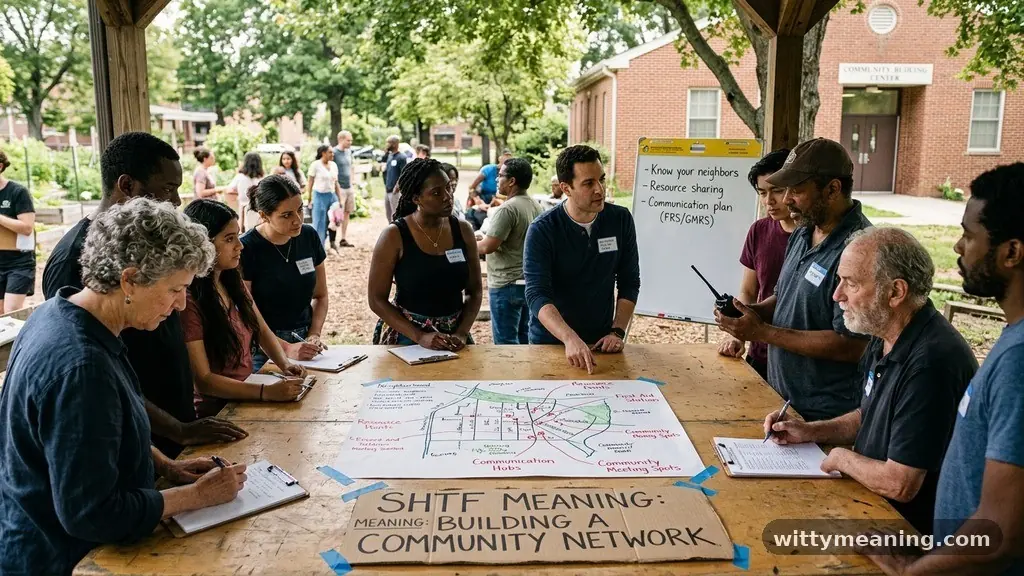
No one can survive a long-term crisis entirely alone. Even if you have the best bunker in the world, the need for security, medical care, and information will eventually require a team. Building a network of like-minded individuals is a critical aspect of preparedness that is often overlooked by beginners.
Your network should ideally consist of people with complementary skill sets. If you are an expert in gardening, you might want to connect with a nurse, a mechanic, or someone with experience in radio communication. This creates a small, resilient group that can handle a variety of challenges.
Remember that trust is the most important currency in a crisis. You should vet your contacts long before an emergency occurs, ensuring that your goals and values align with those of your partners.
Physical and Mental Conditioning
Preparation is not just about gear; it is about the person using it. A high-end rifle or a year’s supply of food won’t help you if you lack the physical stamina or mental fortitude to navigate a stressful situation. Maintaining a baseline level of physical fitness is a form of insurance, as many SHTF scenarios will require significant manual labor and travel.
Mental health is equally important. The psychological toll of a disaster can lead to poor decision-making and burnout.
Developing techniques for stress management, such as mindfulness or structured daily routines, can help you keep a cool head when things go wrong. Resilience is a muscle that must be exercised during calmer times so that it functions automatically when the pressure is at its peak.
Evaluating Your Risk Profile
Not every person faces the same threats. Someone living in a dense urban center has a completely different risk profile than someone living on a farm in a rural area. An urban resident must worry about population density, limited space, and dependency on public transit, while a rural resident might focus more on self-reliance, fuel storage, and defense.
| Risk Factor | Urban Strategy | Rural Strategy |
|---|---|---|
| Water Sourcing | Stored supply and filters | Wells and natural springs |
| Food Security | Bulk pantry and dry goods | Gardening and small livestock |
| Security | Hardening home and stealth | Perimeter monitoring and distance |
| Communication | Short-range radios | Long-range HF radio systems |
By identifying your specific environment, you can tailor your efforts to address the threats most likely to manifest in your area. Do not try to solve every problem at once; prioritize the most likely risks first.
Topical Gaps in Preparedness
Many resources fail to address the “gray area” of survival. Most content focuses on the extremes—either small-scale camping tips or full-blown apocalyptic fiction—but there is a significant gap regarding how to navigate the transition period. This period, where the government is failing but not quite gone, is when most accidents and mistakes occur.
People often overlook the importance of documentation and legal preparedness. Having physical copies of deeds, medical records, and identification is crucial when digital systems go down. Another common gap is the lack of focus on simple hygiene.
In a long-term event, poor sanitation is a greater killer than almost any other factor. Investing in simple, non-electric sanitation solutions and understanding basic infection control can significantly improve your odds of survival compared to someone who only focuses on tactical gear.
FAQ
What is the most important skill for a beginner to learn?
The most important skill is adaptability. Beyond that, focus on water procurement and basic first aid. These are universal needs that apply to every possible scenario, regardless of whether the event is a short-term power outage or a more significant, long-term societal breakdown.
How many people actually prepare for emergencies?
While it is difficult to get an exact number, surveys suggest that a growing percentage of the population keeps at least a three-day supply of food and water. However, the number of people who are prepared for long-term, systemic events remains a relatively small, dedicated segment of the population.
What is the first rule of prepping?
The first rule is to avoid making yourself a target. This means prioritizing security, maintaining a low profile, and not discussing your supplies or your plans with people who aren’t part of your immediate, trusted circle. Discretion is often the best form of protection in any emergency.
Is it expensive to start preparing?
It does not have to be expensive. You can start by simply buying a few extra cans of food during your regular grocery trips or setting aside a small amount of cash each month. Preparedness is a lifestyle built over time through small, consistent additions to your household inventory.
Conclusion
The SHTF meaning serves as a reminder that our modern systems are far more fragile than they appear. By understanding the risks and taking proactive steps, you can transition from a state of vulnerability to one of genuine readiness. This process is not about fear, but about taking responsibility for your own well-being and that of your family.
Start with the basics—water, food, and community—and expand your capabilities as you learn more. Preparation is a journey, not a destination, so stay consistent, keep learning, and don’t hesitate to reach out to others who share your commitment to resilience in an unpredictable world.