


When you start digging into the seneca meaning, you quickly realize it’s far more than a simple dictionary entry. Whether you are encountering the name in a history book, on a map of New York, or within the pages of a Stoic manuscript, the term carries layers of weight that shift depending on the context.
By exploring the life of the famous Roman thinker and the history of the indigenous nation that shares the title, you gain a much clearer picture of how this word has evolved through time. Understanding these different threads helps clarify why the name remains so prevalent in modern discourse today.
Etymology and Linguistic Origins
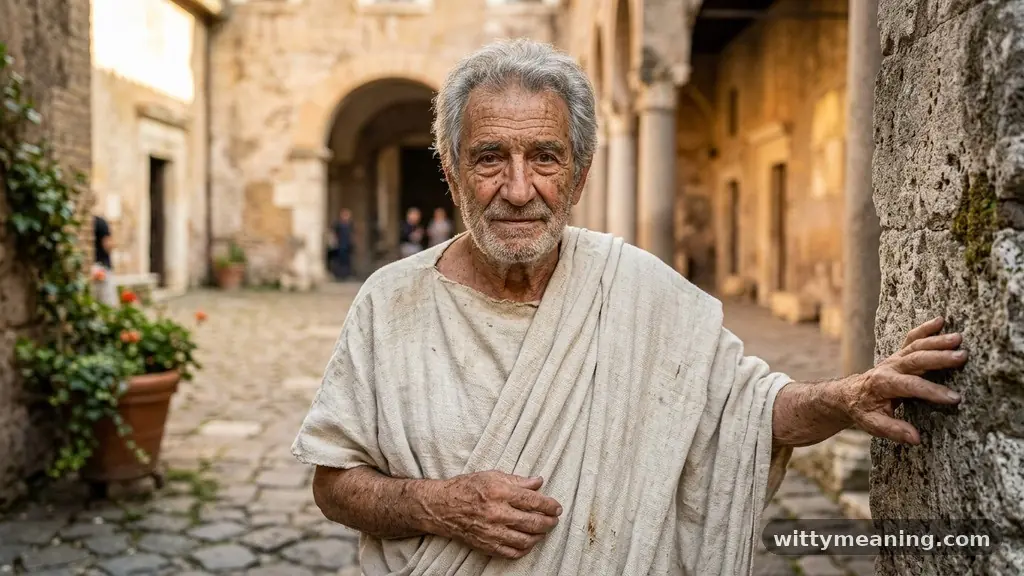
To grasp the true essence of the name, we must first look at its roots. Linguistically, the term has a fascinating trajectory that bridges ancient Roman nomenclature with indigenous North American history. In the Roman context, the name derives from the Latin word senectus, which translates to old age.
It was a common cognomen, indicating a family lineage that valued the wisdom associated with elders. This connection between the name and the concept of maturity or sagacity is not accidental; it reflects a cultural reverence for the experience that only time can bestow.
Beyond its Roman roots, the name takes on an entirely different significance when applied to the indigenous nation of the Haudenosaunee Confederacy. For the Seneca people, the name is typically anglicized from their own autonym, Onödowáʼga:, which translates to the Great Hill People. This creates a distinct linguistic split.
While the Roman version leans into the concept of aging and seniority, the indigenous meaning is tied to geography and a specific ancestral homeland. Recognizing this distinction is vital for anyone hoping to avoid the common mistake of conflating two historically unrelated origins.
Lucius Annaeus Seneca: The Roman Statesman
Most people searching for the term encounter it first through the life of Lucius Annaeus Seneca, the prominent Roman orator and playwright born in Corduba. He was a complex figure who navigated the treacherous waters of Nero’s court while simultaneously crafting some of the most enduring wisdom in Western history.
As a writer, he was prolific, and his work remains a pillar of Stoic thought. His ability to distill complicated moral dilemmas into relatable prose made him a titan of his era.
His life was marked by extreme highs and lows, which directly informed the themes in his writing. As an advisor to one of Rome’s most volatile emperors, he lived in a constant state of precariousness. This environment forced him to confront the fragility of power and the necessity of internal peace.
His essays and letters are not just academic exercises; they are field notes on how to maintain one’s integrity when the world around you is collapsing. This historical depth is why his voice still resonates with modern readers who feel overwhelmed by the pace of contemporary life.
Key Philosophical Concepts in Stoicism
When analyzing the works of the philosopher, we find that the seneca meaning is inextricably linked to the management of emotions. He argued that our suffering is often a product of our own perceptions rather than external events.
By practicing detachment, one could achieve a state of inner tranquility that remains unshaken by misfortune. He frequently emphasized that we suffer more in imagination than in reality, a sentiment that has become a cornerstone of modern cognitive behavioral approaches to mental health.
Fortitude is another central pillar of his teachings. For him, the ability to endure hardship without complaint was the ultimate test of a person’s character. This was not about repressing emotions, but rather about understanding their source and choosing how to respond to them.
His letters and essays provide a roadmap for this discipline, encouraging readers to view obstacles as opportunities for growth rather than as insurmountable barriers. This proactive approach to life’s challenges transformed his philosophy from a static set of rules into a dynamic, living practice.
The Literary Legacy of the Playwright
While he is often remembered primarily as a philosopher, his contributions to the stage were equally significant. His plays, including Medea and Oedipus, brought a dark, psychological intensity to Roman theater that influenced generations of writers, including William Shakespeare.
These works explored the destructive nature of unchecked passion and the inevitability of fate. Through these characters, he examined the human condition with a surgical precision that few other ancient writers could match.
The plays often serve as cautionary tales. By depicting the downfall of figures caught in the grip of anger, jealousy, or hubris, he illustrated the practical consequences of failing to master one’s internal state.
This blend of creative storytelling and moral instruction is what gives his body of work its unique character. You can find detailed analyses of these dramatic contributions through the Encyclopaedia Britannica entry on his life and works, which provides the necessary context for his literary influence.
The Indigenous Nation and Their History

The Seneca people represent one of the original five nations of the Haudenosaunee Confederacy, a powerful and influential alliance in North America. Their history is one of resilience, diplomacy, and deep connection to the land.
Often referred to as the Keepers of the Western Door, they held a critical position in the defense and governance of the confederacy’s territory. Their influence extended far beyond their immediate borders, shaping the political landscape of the Great Lakes region for centuries.
It is important to acknowledge that the name used for the tribe in English is an external label, not their own. Their culture is rooted in a sophisticated system of social organization and a deep spiritual connection to the natural world.
Their history includes significant roles in international trade and complex negotiations with European colonial powers. By understanding the breadth of their contributions, we move away from the simplistic view that the name only belongs to a Roman philosopher or a geographic location.
Geographic Locations and Modern Landmarks
The name has left a permanent mark on the map of the United States, particularly in New York. From Seneca Falls, New York, to various lakes and parks, the name is ubiquitous in the American Northeast.
These geographic markers often carry their own local history, sometimes commemorating the presence of the indigenous nation and at other times reflecting the classical education of the early European settlers who named the towns. This creates a layered history where the name serves as a bridge between two very different worlds.
| Entity/Context | Primary Association | Key Characteristic |
|---|---|---|
| Lucius Annaeus Seneca | Roman Stoicism | Moral philosophy and statecraft |
| Onödowáʼga: | Indigenous Nation | Great Hill People |
| Seneca Falls | Geographic Location | Historical landmark/Township |
Common Associations in Modern Culture
In modern times, the term is frequently invoked in discussions about personal development and corporate branding. The Stoic revival has brought the philosopher’s letters back into mainstream popularity, with many people citing them as essential guides for navigating the stresses of modern life.
This has led to a surge in interest regarding his specific techniques for managing anxiety and maintaining perspective. It is a testament to the timeless nature of his insights that they feel just as relevant today as they did in the first century.
Beyond personal development, the name is also used in corporate branding and academia. You will find it attached to investment firms, educational institutions, and even technology companies. In these contexts, the name is intended to evoke themes of tradition, wisdom, and reliability.
The goal is to signal a level of scholarly rigor or long-term stability that the name historically embodies. However, this usage can sometimes blur the lines between the actual historical figure and a manufactured brand identity.
The Intersection of History and Philosophy
A deeper look at the subject reveals a fascinating intersection between the historical and the philosophical. When we study the life of the Roman statesman, we are also studying the history of the era, the politics of the Roman Empire, and the evolution of Western thought.
This historical depth is what makes the name so versatile. It is not just a label; it is a reference point that allows us to connect with different traditions of wisdom and governance.
The challenge for the modern reader is to maintain clarity when navigating these different meanings. Whether you are interested in the oratorical skill of a Roman senator or the cultural heritage of the Great Hill People, the key is to approach the term with curiosity and respect for its various contexts. By doing so, you avoid the traps of reductionism and gain a much richer appreciation for how a single name can hold so much diverse meaning across time and space.
Addressing Topical Gaps in Current Coverage
Many people ask if there is a direct connection between the Roman philosopher and the indigenous nation. The answer is a clear no; the two are entirely distinct in their origins and development. Another common point of confusion is whether the name was chosen for the tribe by the Iroquois themselves or by outsiders.
As noted, it was an external imposition that became widely adopted over time. These nuances are often missing from general search results, which tend to focus heavily on the Roman perspective while ignoring the indigenous reality.
Furthermore, there is often a lack of distinction regarding the different roles the Roman figure played throughout his life. He was not just a philosopher; he was an actor in a high-stakes political drama. Understanding his role as an advisor to Nero is essential to understanding why he wrote about the things he did.
Without this context, his letters can seem overly detached or even hypocritical given his immense wealth. A balanced view acknowledges his flaws alongside his intellectual contributions.
FAQ Section
What does the name Seneca mean in its Roman origin?
In its Roman context, the name derives from the Latin word senectus, which means old age. It was used as a family cognomen to signify wisdom, experience, and the respect traditionally afforded to elders within Roman society.
Is there a connection between the Roman philosopher and the indigenous nation?
No, there is no historical or etymological connection between them. The Roman figure was a citizen of the Roman Empire, while the indigenous nation, the Onödowáʼga:, is a sovereign people native to the northeastern region of North America.
What is the most famous work associated with the Roman thinker?
He is best known for his moral letters, titled Epistulae Morales ad Lucilium. These letters provide practical advice on how to live a virtuous life, handle adversity, and maintain emotional balance, making them a foundational text for the study of Stoic philosophy.
Why is the name so common in North American geography?
The prevalence of the name in New York and surrounding areas is largely due to the influence of the indigenous nation and the subsequent naming practices of European settlers. Many landmarks were named to acknowledge the original inhabitants of the region.
The diverse threads of the seneca meaning demonstrate how a single term can encompass vastly different cultural and historical legacies. Whether you are diving into the rigorous, disciplined world of Roman Stoicism or learning about the enduring history and sovereignty of the Great Hill People, the name serves as a powerful reminder of how language carries the weight of the past into the present.
By separating these distinct histories and acknowledging the depth of each, you gain a more nuanced perspective on the figures and nations that have shaped our world. If you found this breakdown helpful, consider exploring the primary source texts or the historical archives of the Haudenosaunee to continue your research into these fascinating subjects.