


The perrier meaning transcends a simple definition of bottled water; it represents a specific intersection of French heritage, industrial innovation, and global luxury marketing. When consumers encounter the name, they are often interacting with a brand that has successfully positioned itself as a premium lifestyle choice rather than a mere commodity.
To truly understand what this name signifies, one must look beyond the green bottle and examine the historical, geographical, and commercial factors that have cemented its status as a household name. From the mineral-rich springs of Southern France to its role as a status symbol in urban environments, the identity of the brand is as effervescent as the product itself.
Origins and Etymology of Perrier
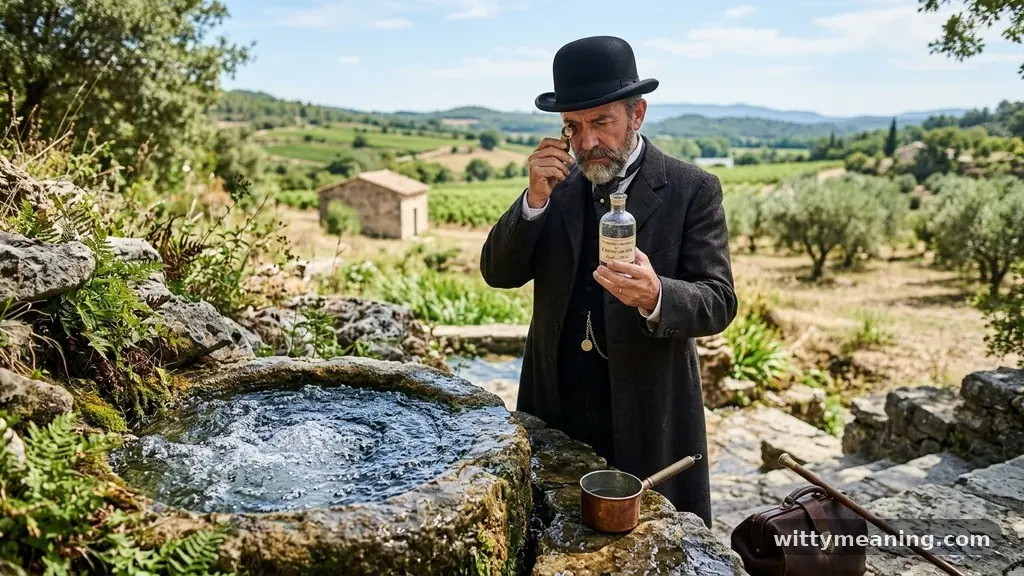
The origins and etymology of Perrier are rooted deep in the geological history of the Languedoc region in France. The source, located in the village of Vergèze, was known to locals for centuries, but its transformation into a global icon began in the late 19th century. The name itself is derived from Dr.
Louis Perrier, a French physician who purchased the spring in 1898. Dr.
Perrier recognized the therapeutic potential of the water and began bottling it for medicinal use, which was a common practice for mineral springs during that era. His contribution was not just the bottling, but the scientific validation of the water’s unique mineral composition.
Etymologically, the name functions as a proper noun that has become synonymous with a specific category of sparkling mineral water. While the surname “Perrier” is a common French name, the brand successfully appropriated it to signify purity and natural carbonation. Historically, the brand’s success was tied to its ability to capture the unique natural carbonation process that occurs when volcanic gas meets underground water reservoirs.
This geological phenomenon is what differentiates the product from artificially carbonated waters. By emphasizing the specific source—the “Source Perrier”—the company built a narrative of authenticity that has survived for over a century, transforming a localized natural resource into a globally recognized entity.
France as the Foundation of Brand Identity
The association with France is an essential component of the perrier meaning. In the world of consumer goods, “French” often serves as a shorthand for quality, sophistication, and tradition. The brand leverages this cultural capital by anchoring its marketing in the imagery of the French countryside, specifically the picturesque settings of the Gard department.
This geographic specificity provides a sense of place that is often missing from mass-produced beverages. It suggests that the consumer is not just purchasing water, but a small, accessible piece of French lifestyle and terroir.
Furthermore, the brand’s aesthetic—characterized by its iconic tear-drop shaped green bottle—is designed to evoke the glass-blowing traditions of the late 19th century. This design choice was a stroke of genius, as it instantly differentiates the product on a shelf filled with standard plastic containers. The color green, specifically, has become a core entity of the brand’s visual identity.
When analysts consider the cultural context and brand recognition, they often point to how the brand successfully exported the French “art de vivre” to international markets, including the United States and the United Kingdom, during the mid-20th century. By maintaining this link to its French origins, the brand ensures that its identity remains shielded from the generic perception of utility water.
Distinguishing Brand Identity from Slang
A frequent point of confusion for modern consumers involves distinguishing brand identity from slang. Because the name has achieved such high levels of cultural penetration, it is occasionally co-opted in various linguistic subcultures. It is important to clarify that the brand name does not possess a standardized dictionary definition outside of its corporate and mineral water context.
However, in some colloquial settings, the term may be used metaphorically to describe something “bubbly,” “lively,” or “classy.” This is a common linguistic evolution for brands that reach “household name” status; the brand name becomes a descriptor for the characteristics of the product itself.
It is helpful to consider that any slang usage of the term is strictly unauthorized and non-official. Unlike some terms that have migrated into the lexicon as verbs or adjectives, the name remains firmly attached to the product. When people search for the perrier meaning in a slang context, they are often encountering misinterpretations of pop culture references or localized vernacular where the brand name is used to denote luxury or “sparkle.”
Understanding this distinction is vital for maintaining a clear perspective on the brand’s actual market position. The brand is not a descriptor for a person or a state of being; it is a registered trademark that commands a specific level of premium pricing and consumer expectation.
The Technicality of Natural Carbonation
The unique natural carbonation process is perhaps the most significant technical aspect of the brand’s identity. Unlike soda manufacturers who inject CO2 into still water, this brand captures the gas from the same spring as the water. This process is complex and requires precise engineering to maintain the balance of minerals and bubbles that consumers expect.
This distinction is the bedrock of the brand’s premium value proposition. If the water were merely carbonated artificially, it would be difficult to justify the higher price point compared to standard mineral waters or club sodas.
This technicality also plays a major role in the sensory experience of the product. The bubbles in natural spring water are often described as finer, more persistent, and less aggressive than those found in artificially carbonated alternatives. This “mouthfeel” is a major selling point for connoisseurs and is frequently highlighted in the company’s marketing materials.
By focusing on the scientific reality of the spring, the brand creates a barrier to entry for competitors who cannot replicate the specific geological conditions of the Vergèze spring. This creates a sustainable competitive advantage that has persisted through various ownership changes and evolving market trends over the decades.
Cultural Context and Brand Recognition in Modern Markets

In contemporary society, the brand occupies a unique space as a bridge between health-conscious consumerism and the luxury beverage market. As consumers move away from sugary sodas and high-calorie drinks, sparkling water has become the go-to alternative.
The brand has successfully pivoted to capture this demographic by positioning itself as the sophisticated choice for those who want to avoid alcohol or artificial sweeteners. This shift has required significant investment in digital marketing and partnerships with high-profile events, such as tennis tournaments and arts festivals.
The cultural context and brand recognition of the product are bolstered by its long history of artistic collaborations. From posters designed by famous illustrators in the 1920s to modern campaigns featuring avant-garde film directors, the brand has always aligned itself with creativity and style.
This strategy ensures that the product remains relevant to younger generations who may not be familiar with the historical nuances of the brand but who appreciate its aesthetic value. The bottle itself has become a pop-culture icon, frequently appearing in films, television shows, and social media feeds, further cementing its status as an aspirational purchase.
| Factor | Market Positioning | Consumer Perception |
|---|---|---|
| Origin | French Mineral Spring | High Quality & Natural |
| Carbonation | Naturally Sourced | Refined Mouthfeel |
| Branding | Premium/Lifestyle | Sophisticated |
| Availability | Global Retail/Dining | Accessible Luxury |
Addressing Topical Gaps: Common Misconceptions
To provide a truly comprehensive view of the perrier meaning, we must address the gaps in information that often lead to confusion. Many consumers are unsure if the brand is owned by a French entity or if it has been absorbed by a larger conglomerate. While the brand is undeniably French in heritage, it is currently a subsidiary of Nestlé Waters.
This corporate structure has allowed for massive distribution expansion while maintaining the brand’s core identity. Another common gap is the confusion between “sparkling mineral water” and “club soda” or “seltzer.”
It is helpful to consider the following distinctions to clear up these common points of confusion:
- Mineral Content: Unlike seltzer, which is filtered water with added gas, this water carries naturally occurring minerals from the earth.
- Source Integrity: The water must be bottled at the source to retain its legal classification as mineral water.
- Gas Source: The gas is sourced from the same geological site as the water, rather than being manufactured in a factory.
- Flavor Additives: While the classic version is plain, the brand has expanded into flavored varieties that use natural essences, which often leads to confusion about whether they are “water” or “soda.”
The Role of Marketing in Shaping Public Perception
Marketing has played an outsized role in defining what the brand means to the public. For decades, the company has employed provocative and memorable advertising campaigns that emphasize the “refreshing” and “earthy” nature of the product.
By focusing on the sensory experience, the marketing team has successfully elevated the product from a basic utility to an experience. This is a crucial element of the brand’s longevity; it has managed to stay in the public consciousness without becoming stale or overly corporate.
The historical evolution of these campaigns shows a clear trajectory from focusing on health benefits to focusing on social status. In the early days, the emphasis was on digestion and vitality. In the 1980s and 90s, the focus shifted toward “coolness” and urban sophistication.
Today, the focus is on sustainability and natural purity. This adaptability is why the brand remains a dominant player in the beverage industry. Even as trends shift toward more health-conscious choices, the brand remains a constant, proving that effective branding can survive the changing tides of consumer preference by emphasizing timeless values like quality and origin.
The Future of the Brand in a Globalized Economy
Looking toward the future, the brand faces the challenge of maintaining its “natural” image while operating within a global supply chain that is increasingly scrutinized for its environmental impact. The perrier meaning is currently being reshaped by conversations surrounding plastic waste and the carbon footprint of shipping water across the globe.
The company is actively responding to these concerns by investing in recycled materials and more efficient logistics. This shift is essential for retaining the loyalty of a younger, eco-conscious consumer base that values sustainability as much as, if not more than, brand heritage.
Furthermore, the diversification of the product line into flavored waters and canned formats represents a strategic effort to stay relevant in an era of rapid product turnover. While purists may argue that these innovations dilute the brand’s identity, they are necessary for survival in a competitive market.
The brand’s ability to maintain its identity while innovating is a testament to the strength of its foundational concepts. By continuing to leverage its French heritage and its reputation for natural quality, the brand is well-positioned to navigate the complexities of the 21st-century beverage market, ensuring that its name remains synonymous with premium refreshment.
Frequently Asked Questions
Is Perrier considered a healthy drink choice?
Yes, it is generally considered a healthy choice as it contains zero calories, no sugar, and no artificial sweeteners. It provides hydration with the added benefit of naturally occurring minerals, making it a superior alternative to sodas and sugary beverages for those monitoring their caloric intake.
How does Perrier differ from standard club soda?
The primary difference lies in the source and the carbonation. Perrier is a naturally carbonated mineral water sourced from a specific spring in France, whereas club soda is typically purified water that has been artificially carbonated and often has minerals added back in for flavor.
Why is the bottle green and shaped that way?
The iconic green, tear-drop shaped bottle was designed to evoke the historical glass-blowing techniques used in the late 19th century. The color and shape have become synonymous with the brand’s identity, serving as a visual marker that differentiates it from other water brands on the shelf.
What is the significance of the natural carbonation process?
The natural carbonation process is what gives the water its distinct, fine bubbles and mineral-rich profile. Because the gas is captured from the same spring as the water, it offers a consistent, high-quality sensory experience that is difficult to replicate through artificial carbonation methods used by competitors.
Conclusion
The perrier meaning is far more than a simple definition of a bottled beverage; it is a complex narrative of history, geology, and masterful branding. By consistently linking its identity to its France-based origins and emphasizing the unique natural carbonation process, the brand has maintained its status as a symbol of quality and sophistication for over a century. Whether one views it through the lens of its historical roots or its contemporary society influence, it remains a clear example of how a product can transcend its utility to become a cultural icon.
As the market continues to evolve, the brand’s ability to balance its heritage with modern sustainability goals will determine its future trajectory. Ultimately, the brand represents a commitment to purity and the enduring appeal of a premium, nature-derived product in an increasingly artificial world.