


When you hear hospital staff mention the PACU, you might feel a bit of confusion if you aren’t familiar with medical jargon. The pacu meaning refers to the post-anesthesia care unit, a specialized area within a hospital where patients are taken immediately after undergoing surgery or procedures that require sedation.
Understanding this environment helps demystify the surgical process, as it serves as the bridge between the operating room and the general recovery ward. Whether you are a patient, a family member, or someone interested in healthcare, knowing what happens in this high-stakes setting provides clarity on the vital safety measures taken to ensure a smooth transition back to wakefulness.
The Primary Function of the Post-Anesthesia Care Unit
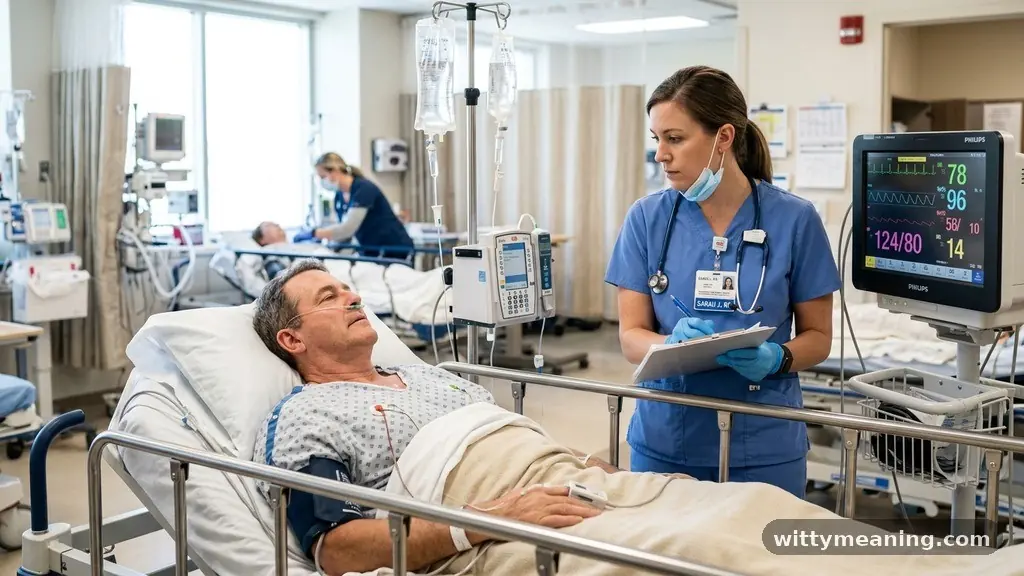
The post-anesthesia care unit serves as the frontline of defense during the most vulnerable period following a medical procedure. Its primary purpose is to provide intensive surgical monitoring while the patient transitions out of a sedated state. Because anesthesia affects the central nervous system, heart rate, and breathing patterns, the body requires a controlled environment where these functions can be observed by highly trained professionals.
In this setting, the focus is entirely on ensuring hemodynamic stability. Patients often arrive with residual medications still circulating in their systems, which can lead to rapid shifts in blood pressure or heart rate.
The staff in this unit are experts at managing these fluctuations, utilizing advanced equipment to track every beat and breath. By centralizing this level of care, hospitals ensure that if a patient experiences a sudden complication, the resources needed to intervene are literally at the bedside.
The Role of Perianesthesia Nursing
Perianesthesia nursing is a specialized field that demands a unique blend of critical thinking and technical precision. These nurses are not just monitoring monitors; they are interpreting complex physiological data in real-time. Their work begins the moment a patient is wheeled in from the operating room, often involving a detailed handoff from the anesthesiologist regarding the patient’s specific surgery, medication history, and any issues encountered during the procedure.
The nurse-to-patient ratio in this unit is significantly lower than in a standard ward, often hovering at 1:1 or 2:1 depending on the patient’s condition. This intensive staffing allows for constant observation.
They manage everything from the initial airway management after endotracheal extubation to the administration of medications to control nausea or shivering. It is a high-pressure role that requires constant vigilance, as the goal is to get the patient to a state of complete alertness and physiological stability before they are transferred to their room.
Defining PACU Phase 1 and Phase 2
The recovery process is generally divided into two distinct levels of care. PACU phase 1 is the immediate, intensive stage. During this time, the patient is often still groggy, may have an artificial airway in place, and requires constant, one-on-one monitoring.
The priority here is the stabilization of basic vital functions. Once the patient demonstrates that they can maintain their own airway and their vital signs remain within a safe range, they move to the next step.
PACU phase 2 is the transitional stage, often referred to as a step-down unit. Here, the level of intensity decreases slightly as the patient gains more independence. The focus shifts toward preparing the patient for discharge or transfer to a general surgical ward.
This might involve resuming oral fluids, managing pain with oral medication rather than IV drips, and ensuring that the patient is oriented to their surroundings. This tiered approach ensures that limited resources are focused on the patients who are at the highest risk of complication.
The Significance of Surgical Monitoring and Vital Signs
Constant tracking of vital signs is the cornerstone of post-operative safety. In the recovery room, medical teams rely heavily on pulse oximetry to monitor blood oxygen saturation levels, which is crucial after the patient has been under general anesthesia.
Anesthesia can suppress the respiratory drive, meaning the body might not “remember” to breathe as deeply as it should. By keeping a constant watch on these levels, nurses can adjust oxygen support or stimulate the patient to breathe more effectively.
Beyond oxygen levels, the team monitors electrocardiogram (ECG) readings to ensure the heart rhythm remains stable. Any deviation from the norm—such as a sudden spike in blood pressure or an irregular heartbeat—triggers an immediate response.
This level of surgical monitoring is designed to catch surgical complications before they become life-threatening. Whether it is internal bleeding or a reaction to a specific anesthetic agent, the data collected in these first few hours provides a roadmap for the rest of the patient’s recovery.
Standardized Assessments: The Aldrete Score
To determine when a patient is ready to leave the recovery room, clinicians use a standardized tool known as the post-anesthesia scoring system. The most widely recognized of these is the Aldrete score.
This assessment evaluates several key areas to ensure the patient has fully emerged from the effects of anesthesia. The score typically measures:
- Activity: Can the patient move their limbs voluntarily?
- Respiration: Can the patient breathe deeply and cough?
- Circulation: Is the blood pressure within a safe range of the pre-anesthetic level?
- Consciousness: Is the patient fully awake and oriented?
- Oxygen Saturation: Can the patient maintain adequate oxygen levels on room air?
A patient must typically reach a specific threshold score before they are cleared for discharge. This objective measurement removes guesswork from the process, ensuring that every patient meets a baseline of safety.
You can learn more about these clinical standards through the American Society of Anesthesiologists, which sets the guidelines for safe practice in perioperative medicine. By relying on these scores, the hospital ensures that no patient is moved to a lower level of care prematurely.
Common Surgical Complications and Management
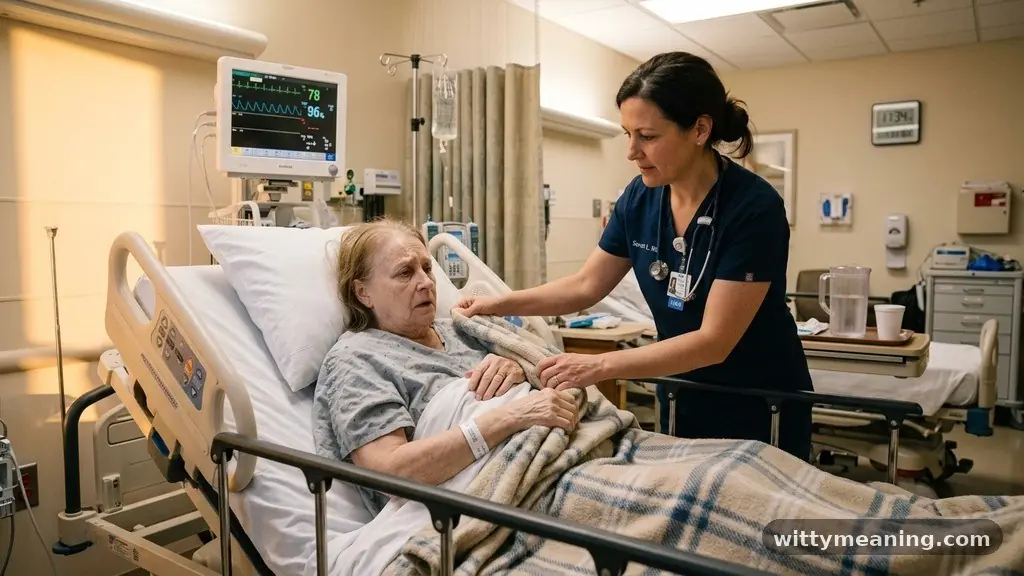
Even with the best surgical techniques, the body undergoes significant stress during a procedure. The recovery room is where the medical team manages the fallout of that stress.
Common issues include post-operative nausea and vomiting, which can be managed with specific anti-emetic medications. Another common concern is temperature regulation; patients often wake up feeling extremely cold or shivering, a phenomenon known as post-anesthesia shivering, which can increase the body’s oxygen demand.
Pain management is another critical component of the recovery process. Because the nerves are waking up from the numbness of anesthesia, pain can spike suddenly.
Nurses use a combination of IV medications, regional nerve blocks, and non-pharmacological interventions to keep the patient comfortable. By addressing these complications early, the staff prevents the patient’s condition from deteriorating into a more serious crisis.
Is the PACU Considered Critical Care?
There is often debate about whether this unit counts as critical care. While it is not a traditional Intensive Care Unit, the level of care provided is undeniably critical.
Because the patient is transitioning from a state of total unconsciousness to full wakefulness, they are in a highly unstable physiological state. The intensity of the monitoring, the specialized skills of the staff, and the immediate proximity to life-saving equipment align it closely with critical care environments.
Many hospitals classify the recovery room as a high-acuity area. The patient acuity—a measure of how much nursing care a patient requires—is extremely high in this setting.
If a patient experiences a cardiac event, respiratory failure, or severe bleeding, the recovery staff is equipped to handle the emergency immediately. Therefore, while it serves a different function than a long-term ICU, the standard of care and the expertise required are comparable to any high-dependency unit in the hospital.
The Difference Between Recovery Room and PACU
Patients and families often ask about the difference between a “recovery room” and the “PACU.” In modern medical terminology, these terms are interchangeable. Both refer to the unit where patients are taken after anesthesia.
However, the nomenclature can sometimes vary by institution. Some smaller surgical centers might simply use the term recovery room, while larger hospitals with complex surgical departments consistently use the term PACU to distinguish it from the general recovery areas on a standard hospital floor.
The confusion sometimes arises because patients might be moved to a “recovery ward” after they leave the PACU. It is important to distinguish between the two: the PACU is for immediate post-anesthesia stabilization, while a recovery ward or surgical unit is for ongoing healing. The former is a short-term, high-intensity environment, while the latter is a longer-term setting focused on wound care, mobility, and discharge planning.
Key Differences in Nursing Environments
To better understand how this unit compares to other parts of the hospital, consider the following table which breaks down the differences in focus and patient status.
| Feature | PACU (Recovery) | Standard Surgical Ward |
|---|---|---|
| Patient Status | Emerging from sedation | Stable, recovering |
| Monitoring | Continuous (every 5-15 mins) | Intermittent (every 4-8 hours) |
| Staffing Ratio | High (1:1 or 1:2) | Lower (1:4 or 1:6) |
| Primary Goal | Airway and hemodynamic stability | Pain control and mobilization |
The contrast in these environments highlights why the recovery unit is so specialized. The high staffing ratios and constant monitoring are necessary because the risks associated with anesthesia are highest in those initial hours. Once those risks subside, the patient is transitioned to a setting that is more conducive to healing and rest, rather than the intense, vigilance-focused atmosphere of the recovery unit.
Addressing Topical Gaps: Why Some Patients Stay Longer
A common question is why some patients remain in the recovery area for hours while others seem to leave quickly. This relates to individual patient factors and the nature of the surgery.
Factors such as the type of anesthesia used, the length of the surgery, and the patient’s age and overall health status all play a role. Patients with pre-existing conditions like sleep apnea or heart disease may require longer observation to ensure their breathing and heart function remain stable.
Furthermore, anesthesia emergence can vary significantly from person to person. Some individuals wake up quickly and with full clarity, while others experience prolonged confusion or delayed clearance of the drugs from their system.
The nursing staff will not rush a patient out of the unit if they do not meet the safety criteria. A longer stay is often a sign of high-quality care, ensuring that the patient is completely safe before they are moved to a less monitored environment.
Conclusion
The pacu meaning centers on safety, vigilance, and the bridge between surgery and recovery. By providing a controlled, high-intensity environment, healthcare providers can manage the significant physiological changes that occur immediately after a procedure. Whether it involves monitoring vital signs, managing the emergence from anesthesia, or addressing post-operative pain, this unit is essential for ensuring that every patient transitions safely back to consciousness.
If you or a loved one are preparing for surgery, understanding this process can provide peace of mind, knowing that a team of experts is dedicated to your stability during one of the most critical phases of care. When the time comes for your procedure, do not hesitate to ask your medical team about their specific recovery protocols; being informed is the first step toward a successful and comfortable healing journey.
Frequently Asked Questions
How long do patients typically stay in the recovery unit?
Patients usually stay in the recovery area for one to two hours. However, this varies based on the type of surgery, the length of anesthesia, and how quickly the patient’s vital signs stabilize and they regain full alertness.
Is the recovery unit considered a form of critical care?
While it is not a traditional ICU, the recovery unit is a high-acuity area. Because patients are in a vulnerable state immediately after anesthesia, the level of monitoring and specialized nursing care provided is equivalent to critical care standards to ensure patient safety.
What does the term PACU actually stand for in a hospital?
PACU stands for the post-anesthesia care unit. It is the designated department where patients are transported immediately after surgery to be monitored by specialized nurses and anesthesiologists until the effects of the anesthesia have worn off and their vital signs are stable.
Can family members visit the recovery unit?
Visiting policies vary by hospital. Generally, because the unit is a high-intensity, sterile environment with limited space, immediate family may be allowed in for short, supervised visits once the patient is stable. It is best to check with the hospital’s specific policy beforehand.
Meta Description: Discover the pacu meaning and its vital role in surgery recovery, covering anesthesia monitoring, surgical care standards, and patient safety protocols.