
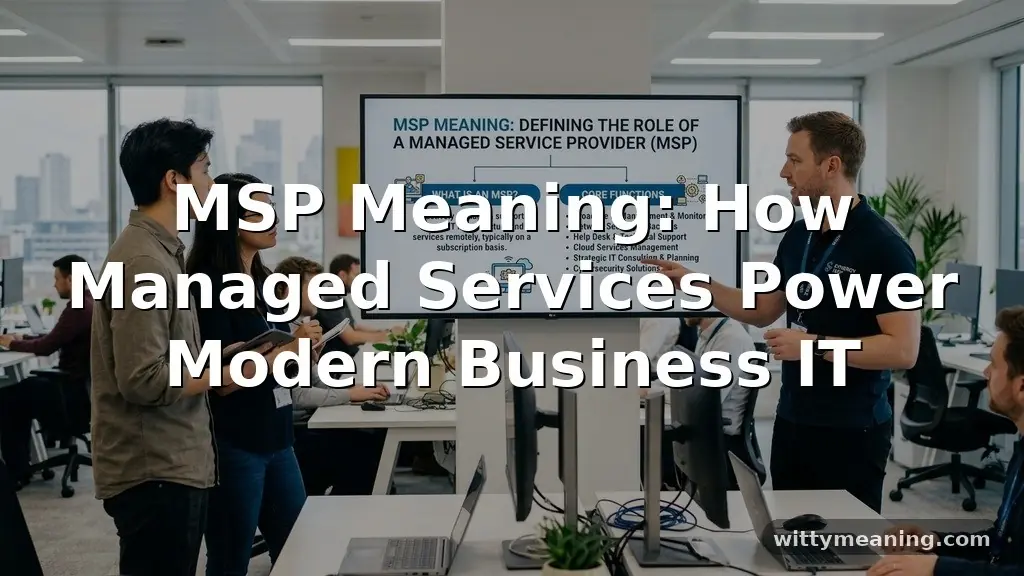

When you encounter the term MSP, the msp meaning typically refers to a business model where a third-party organization takes responsibility for managing a client’s technology environment. Companies often lack the internal resources to handle complex digital ecosystems, so they turn to these specialized partners for stability and growth.
By offloading the burden of technical maintenance, organizations can redirect their focus toward their core mission rather than troubleshooting server outages or software glitches. Understanding how these providers operate is essential for any leader looking to modernize their infrastructure and ensure long-term stability in an increasingly digital marketplace.
Defining the Role of a Managed Service Provider
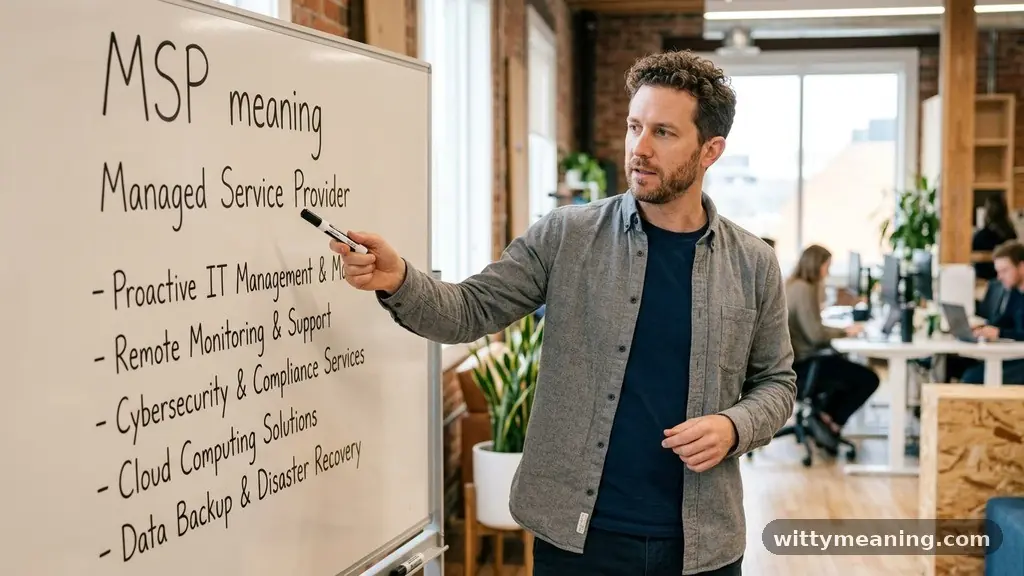
At its core, a managed service provider acts as an extension of a client’s internal team. They don’t just fix things when they break; they take a holistic approach to technology by overseeing the health, security, and performance of digital assets. This proactive stance separates them from traditional “break-fix” repair shops that only show up when something goes wrong.
Instead, they rely on a recurring revenue model to ensure that their incentives are aligned with the client’s uptime. When your network runs smoothly, the provider succeeds, creating a partnership built on stability rather than incident-based billing.
Because these providers handle everything from basic workstation updates to complex cloud infrastructure management, they become deeply integrated into the business. They often manage vendor relationships, software licensing, and hardware procurement, effectively becoming a virtual IT department.
This transition allows internal staff to focus on high-level IT strategy and innovation rather than the daily grind of password resets or printer connectivity issues. The breadth of services offered is vast, ranging from basic connectivity monitoring to sophisticated data management and compliance oversight.
Proactive Maintenance and Remote Management
The backbone of any effective partnership is the use of remote monitoring and management tools. These systems allow the provider to keep a constant eye on the client’s network, identifying potential bottlenecks or hardware failures before they result in downtime.
By monitoring server health, disk space, and CPU usage, they can perform proactive maintenance during off-hours, ensuring that updates don’t disrupt the workday. This level of visibility prevents the kind of catastrophic system crashes that often plague organizations relying on manual interventions.
Beyond simple monitoring, these systems provide a window into the entire IT infrastructure. Technicians can push security patches, deploy software updates, and audit system logs from a central dashboard. This automation is a key factor in keeping costs predictable and performance high.
When issues do arise, the provider often resolves them remotely, cutting down on the need for costly on-site visits. This efficiency is a primary driver for businesses moving toward managed service arrangements as they scale their operations.
Cybersecurity and Managed Security Services
In the modern threat landscape, the managed security services provider has become a critical ally for businesses of all sizes. These firms specialize in protecting sensitive data through advanced endpoint protection, firewall management, and real-time threat detection.
Because they manage security for multiple clients, they often see patterns in cyberattacks that a single internal team might miss. This collective intelligence allows them to harden defenses against emerging threats, such as ransomware or sophisticated phishing campaigns, far more effectively than a standard in-house team could alone.
Beyond perimeter defenses, they assist with compliance requirements that are increasingly stringent across industries like healthcare and finance. Whether it’s HIPAA, GDPR, or SOC2, maintaining regulatory compliance requires rigorous documentation and constant monitoring.
A professional service partner ensures that your security posture meets these standards, reducing the risk of fines and reputational damage. They manage the technical side of compliance, such as data encryption, access controls, and audit logging, so the business owner can focus on operational output.
The Service Level Agreement as a Foundation

A service level agreement is the formal contract that defines the expectations and responsibilities between the client and the provider. It outlines specific metrics, such as response times, resolution targets, and uptime guarantees, which provide the client with peace of mind.
Without this document, the partnership lacks accountability and clear boundaries. It serves as the benchmark for quality, ensuring that both parties understand exactly what is being delivered and the consequences if those standards are not met.
These agreements often include tiers of support, allowing businesses to choose a level that matches their budget and technical requirements. For example, a basic tier might cover help desk services and monitoring, while a premium tier might include full strategic consulting and dedicated onsite support.
By clearly defining these parameters, the agreement removes ambiguity and helps build a transparent, long-term relationship. It forces the provider to document their work and the client to understand the value of the services they are paying for.
Disaster Recovery and Business Continuity
One of the most valuable aspects of working with an expert partner is their focus on disaster recovery and business continuity. Technology is prone to failure, whether through human error, hardware malfunction, or malicious action.
A solid strategy ensures that your data is backed up, encrypted, and easily recoverable in the event of an emergency. Providers often use cloud-based solutions to create off-site replicas of critical systems, allowing for a quick return to operations even if the main office is compromised.
This planning goes beyond just having backups; it involves testing recovery scenarios to ensure that the business can survive a major disruption. They map out the recovery time objectives and recovery point objectives, ensuring that critical services are restored first.
This level of preparedness is often what separates companies that thrive after a crisis from those that fold. By treating data protection as a core service, the provider ensures that the business remains resilient in the face of unforeseen challenges.
Scaling Operations with Managed IT
As a company grows, its technical needs evolve from simple email and file sharing to complex ERP systems and distributed networking. A provider facilitates this growth by ensuring that the underlying IT infrastructure can handle the load.
This is where scalability becomes a tangible benefit. You don’t need to hire and train new IT staff every time you open a new branch or increase your headcount; the provider simply adjusts the service agreement to match your current usage.
This flexibility is particularly useful for companies undergoing digital transformation. When you decide to move your operations to the cloud, you need a partner who understands the complexities of migration, vendor management, and long-term cloud optimization.
They handle the heavy lifting, from initial assessment to ongoing optimization, ensuring that the transition is smooth and that the new environment is secure. You can find more information about the standards for these services through the National Institute of Standards and Technology, which provides guidelines for secure digital operations.
Hardware Lifecycle Management and Procurement
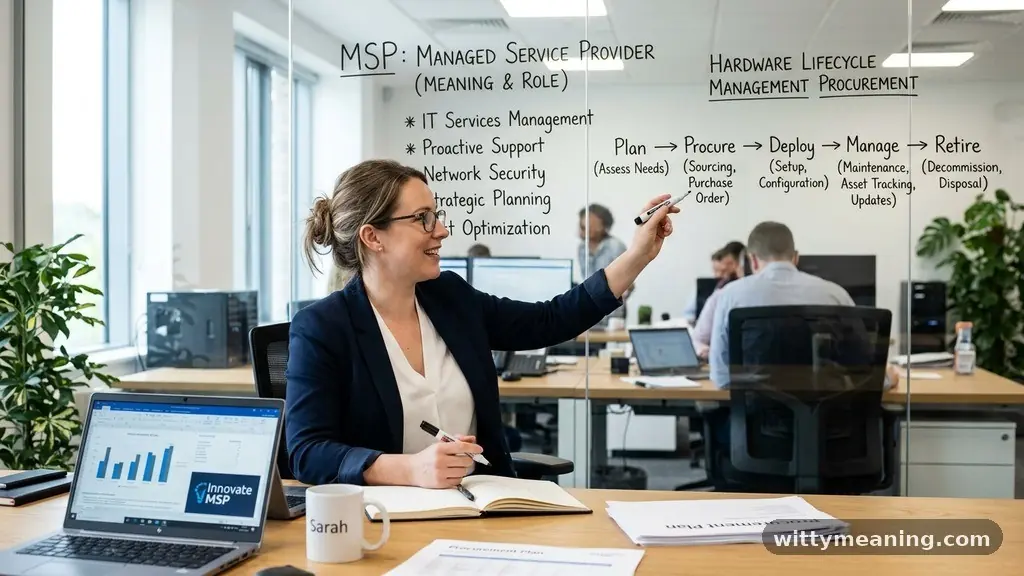
Keeping track of physical assets is a hidden cost for many businesses. From laptops and tablets to servers and networking switches, managing the life cycle of these items requires a structured approach.
An MSP handles hardware lifecycle management, from the initial procurement and configuration to the eventual decommissioning and secure disposal of old equipment. They maintain an inventory, track warranties, and advise on when it’s time to refresh hardware to avoid performance degradation.
This service eliminates the stress of managing relationships with multiple hardware vendors. The provider knows which models are reliable and which ones to avoid, saving the company from costly purchasing mistakes.
They ensure that all new devices are pre-configured with the necessary security software and company policies before they even reach the employee’s desk. This standardized approach keeps the environment consistent and reduces the overhead associated with troubleshooting unique hardware configurations.
Comparing In-House IT vs. Managed Services
Deciding between hiring an internal team and using an external firm is a common dilemma. While an internal employee provides immediate physical access, they often lack the broad expertise of a team of engineers.
An external firm provides a depth of knowledge that would be too expensive to replicate with a single hire. Below is a comparison of how these two approaches generally stack up in terms of cost and capability.
| Feature | In-House IT | Managed Service Provider |
|---|---|---|
| Cost Structure | Fixed Salary + Benefits | Predictable Monthly Fee |
| Availability | Limited by office hours | 24/7/365 Monitoring |
| Expertise | Generalist Focus | Specialized Team Access |
| Scalability | Slow (requires hiring) | Rapid (on-demand scaling) |
SaaS Management and Modern Workflow
In the modern enterprise, SaaS management has become a significant challenge. With teams using dozens of different applications for communication, project management, and CRM, keeping track of subscriptions, security, and integration is difficult.
A provider helps consolidate this, ensuring that software is properly licensed, updated, and integrated into the workflow. They prevent “shadow IT,” where employees sign up for unauthorized services, by providing secure, approved alternatives that meet the company’s standards.
This oversight is crucial for security as well. If an employee leaves the company, the provider ensures that all access to these SaaS platforms is revoked instantly, closing a common security loophole.
They also monitor usage to ensure the company isn’t paying for licenses that aren’t being used. By managing the software stack, they create a more efficient and secure working environment, allowing teams to use the tools they need without putting the company’s data at risk.
Professional Services Automation and Efficiency
The use of professional services automation software allows providers to streamline their own operations, which directly benefits the client. This software tracks every ticket, project, and request, ensuring that nothing falls through the cracks.
It also provides the client with transparency; you can see exactly how many hours were spent on a specific project or how many tickets were resolved in a given month. This data-driven approach allows for better reporting and informed decision-making regarding future IT investments.
This efficiency contributes to overall operational efficiency within the client’s business. When technical hurdles are resolved quickly and correctly, employees spend more time on their actual work rather than wrestling with software updates or connectivity issues.
It creates a culture of reliability where the technology is a silent, supportive partner rather than an obstacle. The provider’s use of these sophisticated tools turns IT from a cost center into a strategic asset that enables growth and innovation.
FAQ
What is the primary difference between a consultant and an MSP?
A consultant typically provides strategic advice or project-based work, often leaving once the task is finished. In contrast, an MSP is a long-term partner that manages your ongoing IT operations, security, and infrastructure through a recurring contract, ensuring consistent support and maintenance over time.
How does an MSP handle cybersecurity threats?
They use a multi-layered approach that includes real-time monitoring, endpoint protection, and automated patch management. By utilizing advanced threat detection software and collective intelligence from multiple clients, they can proactively identify and neutralize potential vulnerabilities before they are exploited by malicious actors or ransomware groups.
Can a small business benefit from using these services?
Yes, small businesses often gain the most from this model. It provides them with access to enterprise-level expertise, security, and tools that would be unaffordable if built in-house. It allows small teams to focus on their core business goals while leaving technical management to the experts.
What happens to my internal staff when I hire an MSP?
Most organizations use a hybrid approach. The MSP handles the routine, repetitive, and complex infrastructure tasks, while internal staff transition into higher-level roles. They can focus on internal project management, user training, and strategic technology planning that aligns directly with the business’s unique goals.
Conclusion
Understanding the msp meaning is the first step toward building a resilient and scalable technology foundation. By partnering with a managed service provider, your organization gains a dedicated team focused on proactive maintenance, security, and operational efficiency. You move away from the unpredictability of reactive repairs and toward a stable, growth-oriented IT strategy.
This transition allows your team to stop worrying about system downtime and focus on delivering value to your customers. If you are ready to modernize your infrastructure, consider auditing your current technical requirements and reaching out to a reputable partner to discuss how they can support your long-term vision. Engaging with the right experts today will undoubtedly pay dividends in the security and performance of your business tomorrow.