

When you encounter the word “lush” in a digital conversation, its intent can swing wildly depending on the geographic roots of the sender and the context of the chat. You might see it used to describe a gorgeous outfit or a stunning piece of scenery, but it can just as easily be a pointed jab at someone’s drinking habits.
Understanding the lush meaning in text requires looking past the surface to see how regional dialects and social settings shape the way we communicate. This breakdown helps you navigate those tricky social media interactions and casual texts without missing the intended vibe.
The Nuances of British Slang
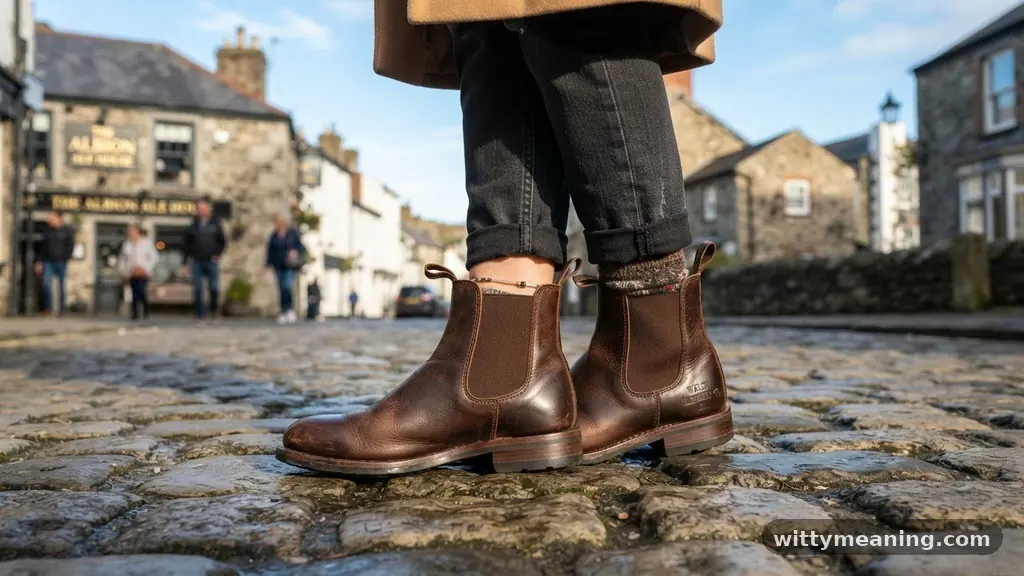
In British and Irish English, the word has evolved into a versatile term of endearment and a common descriptor for quality. When someone sends you a message saying your new boots are “lush,” they are paying you a high compliment.
In this context, it functions similarly to “great,” “gorgeous,” or “wonderful.” It implies that the item is high-quality, aesthetically pleasing, or simply delightful.
This usage is particularly prevalent in parts of Wales and the West Country, though it has permeated mainstream British pop culture significantly. If you are chatting with someone from these regions, you will frequently see it applied to food, experiences, or personal style.
It acts as a shorthand for expressing genuine appreciation for something that feels premium or satisfying. Recognizing this positive, lighthearted usage is the first step in avoiding confusion when you see it pop up in a casual thread.
Negative Connotations in Slang
While the British usage leans heavily toward the positive, the term carries a distinct set of negative connotations in other circles. Specifically, “a lush” is a longstanding, albeit somewhat dated, piece of slang for an alcoholic or someone who drinks heavily. If you receive a text that calls you a “lush” after a night out, the sender is likely referencing your consumption of alcohol rather than your appearance.
This usage is rooted in older colloquialisms where the word was synonymous with a heavy drinker or someone who was frequently intoxicated. Because this meaning is derogatory, it is important to be careful with its application.
Misinterpreting this as a compliment about your style could lead to a very awkward misunderstanding. In digital communication, the tone of the surrounding sentences usually provides the necessary clarity to distinguish between a compliment on your lifestyle and a critique of your behavior.
Describing Environments and Aesthetics
Beyond its role as slang, the term retains its literal, descriptive power. When referring to gardens, forests, or interior design, it signifies a state of richness and abundance. You might describe a room filled with plush fabrics and high-end materials as a “lush” space, signaling a description of luxury that suggests comfort and high quality.
Similarly, when you look at healthy, or luxurious vegetation, the word is the most accurate descriptor available. It paints a picture of vibrant, thick, and thriving plant life.
If a friend sends a photo of a tropical vacation or a beautifully manicured park, they are using the word in its most traditional sense. This usage is entirely neutral and focuses on the visual and sensory experience of abundance, growth, or comfort.
Contextual Clues in Digital Messaging
Decoding the intent behind a word often comes down to the environment where it appears. A social media comment on a selfie is almost certainly using the word in the British positive sense, implying you look fantastic. Conversely, in a text thread about a party or a night out, the context shifts toward the person’s behavior or their habits.
You should always look for indicators in the surrounding text to determine which definition applies. If the sentence includes words like “outfit,” “hair,” or “new,” it is almost always a positive descriptor.
If the sentence is centered around a bar, a party, or a hangover, the likelihood of a negative slang interpretation increases significantly. Understanding these situational markers is vital for accurate interpretation.
The Influence of Pop Culture

Pop culture has played a massive role in how we use this word today. Television shows, music, and social media influencers from the UK have helped export the “positive” version of the word globally. It is common to see it used on platforms like TikTok or Instagram by creators who are heavily influenced by British fashion and lifestyle trends.
This cultural osmosis means that even people who are not from the UK are adopting the word to describe things they find beautiful. However, this also creates a “collision of meanings” where an American user might use it to describe a garden, while a British user might use it to describe a person.
This blending of cultures is why context is more important than ever. You can learn more about how language shifts in global settings by consulting resources like the Oxford English Dictionary for historical context on word evolution.
Common Misinterpretations
One of the most frequent errors people make is assuming that the word is universally positive or universally negative. Because it occupies two very different spaces in the English language, it is prone to being misread. For example, an American user might be confused if they hear a British person say, “She’s a total lush,” assuming it refers to her being attractive or stylish, when the speaker might actually be commenting on her partying habits.
To avoid these pitfalls, consider the following checklist when you are unsure of the meaning:
- Check the subject: Is the word describing an object (like a dress) or a person?
- Identify the geography: Is the speaker British, Irish, or American?
- Look for behavioral cues: Does the conversation involve alcohol or social gatherings?
- Evaluate the adjective structure: Is it used as a descriptor (“a lush coat”) or a noun (“she is a lush”)?
Comparing Usage Patterns
To make sense of how the word functions across different speakers, it helps to look at the differences between American and British English. The table below illustrates the primary ways the word is applied depending on the region and the intended subject.
| Region | Common Usage | Primary Meaning |
|---|---|---|
| British/Irish | Describing objects/style | Attractive, great, or wonderful |
| American | Describing a person | A heavy drinker or alcoholic |
| Global/Formal | Describing nature/spaces | Rich, abundant, or luxurious |
Dating App Profiles and Social Media
In the world of online dating, the word can be particularly tricky. If a profile says someone enjoys “lush nights out,” they are almost certainly using the British slang for a fun, high-quality evening. However, if a profile mentions “avoiding lushes,” they are clearly using the word in the negative, addiction-related sense.
When you see it in a dating app profile, pay close attention to the adjectives that surround it. If it is paired with words like “scenery,” “living,” or “decor,” it refers to a lifestyle preference.
If it is linked to “partying” or “drinking,” proceed with caution, as the intent is likely a commentary on behavior. Being savvy about these nuances can save you from a major misunderstanding during the initial phases of getting to know someone.
The Role of Tone in Messaging
Tone is often invisible in text, which makes words with dual meanings harder to parse. If you are the one using the word, you can mitigate confusion by adding emojis or descriptive context. A “lush” dress paired with a heart or sparkle emoji leaves no doubt about your positive intent.
Conversely, if you are using it in a negative or joking way, the tone is usually drier or more blunt. When you find yourself on the receiving end of a confusing message, don’t be afraid to ask for clarification. A simple “What do you mean by that?” is far better than assuming a compliment when the intent was a jab, or vice versa.
Summary of Usage and Evolution
The word has traveled a long road from its roots in describing nature to its current status as a loaded piece of slang. Its evolution reflects how language adapts to the needs of its speakers. While the literal definition of richness and abundance remains, the slang applications have diverged based on regional history and social trends.
As digital communication continues to blur geographic lines, we are seeing these definitions overlap more than ever. Being a “lush” might mean you appreciate the finer things in life to one person, while to another, it is a critique of your social habits. Staying aware of these layers ensures you remain a sharp and effective communicator in any digital space.
Frequently Asked Questions
Is calling someone a lush always an insult?
No, it depends on the context. In some British and Irish circles, it can be a term of endearment for someone who is fun-loving or stylish. However, in many other regions, it is a derogatory term for someone who struggles with alcohol consumption.
Can lush be used to describe non-living things?
Yes, absolutely. Its most traditional and universal meaning is to describe something that is rich, abundant, or luxurious. You can use it to describe a thick, green forest, a well-decorated room, or even a high-quality fabric without any negative or slang implications.
Why is the term so confusing in text messages?
It is confusing because it carries both a positive slang meaning (great/beautiful) and a negative slang meaning (alcoholic) simultaneously. Without the benefit of tone of voice, readers must rely on regional cues and the surrounding words to determine which definition the sender intended.
How can I tell if someone is using it as a compliment?
Look at what the word is describing. If the speaker is referring to an object like a piece of clothing, a meal, or a location, they are almost certainly using it as a compliment. If they are referring to a person’s behavior, it is much more likely to be a criticism.
Conclusion
Navigating the various interpretations of this word highlights how much our digital interactions rely on cultural context. Whether you are using it to describe a stunning, luxurious garden or to express admiration for a friend’s outfit, the term is a powerful tool for adding color to your language. By staying mindful of regional differences and the specific context of your conversation, you can use it with confidence.
If you ever find yourself uncertain about an intended meaning, a quick look at the surrounding words or a polite follow-up question is always the best path forward. Mastering these small linguistic nuances helps you connect more clearly with people from all over the world.