

When you hear someone describe a song, a new outfit, or a viral video as “fuego,” you are witnessing the evolution of language in real-time. While many people recognize the term from modern social media feeds, the actual fuego meaning stretches far beyond a simple adjective for something trending.
At its core, the word is a direct import from the Spanish language, but its journey into mainstream English slang highlights how global connectivity shapes our everyday vocabulary. Whether you are curious about its roots in Hispanic culture or simply want to understand how to use it correctly in conversation, this breakdown covers everything you need to know.
The Literal Translation of Fuego
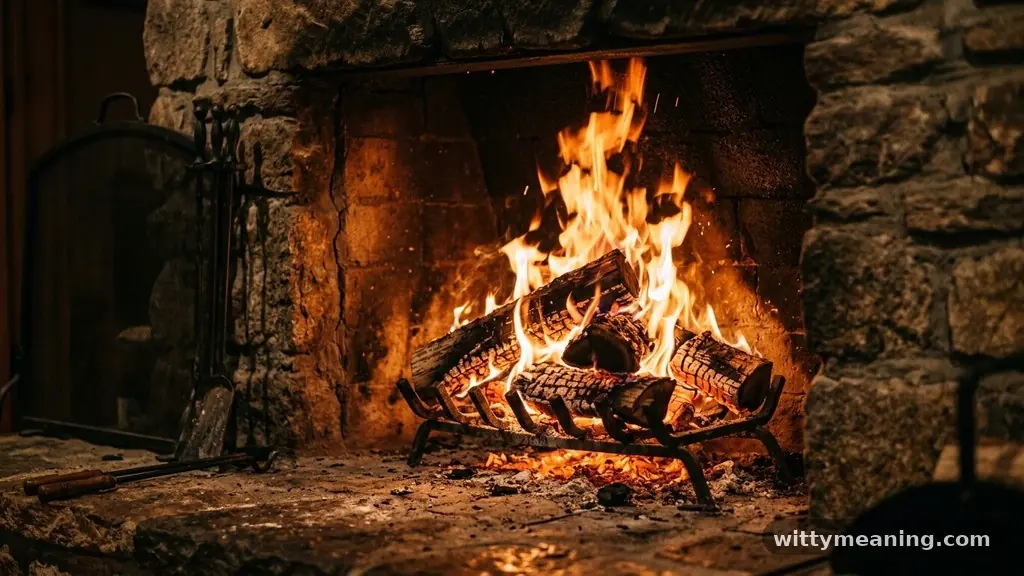
In its most basic form, the fuego meaning is simply “fire.” It is a noun in the Spanish language derived from the Latin word “focus,” which originally referred to a hearth or a place for a fire.
If you were to look up the term in a standard Real Academia Española dictionary, you would find definitions related to combustion, light, heat, and warmth. It is a fundamental word that every Spanish speaker learns in early childhood, serving as the basis for countless phrases and compound words.
However, treating the word as a purely physical descriptor ignores how it functions in daily life. Just as the word “fire” in English can describe a literal blaze or a burning sensation, the Spanish term carries that same duality.
It is used to describe everything from the flame on a kitchen stove to a forest fire or the warmth of a fireplace. Understanding this literal grounding is essential because the metaphorical usage that has become so popular in English slang relies entirely on the listener’s association of fire with power, intensity, and transformative energy.
Evolution into Modern Slang Terminology
The shift from a noun representing a physical element to a slang term meaning “cool” or “excellent” is a classic example of linguistic drift. In many Latin American Spanish dialects, speakers began using the word as a shorthand for something that is “on fire” in a metaphorical sense.
If a dancer is incredibly talented or a party is particularly lively, it is common to hear it described as being full of intensity. Over time, this evolved into a standalone adjective.
When the term migrated into English-speaking pop culture, it underwent a subtle transformation. It is no longer just about intensity; it is about status. When someone says an outfit is “fuego,” they are claiming it is top-tier, highly attractive, or exceptionally stylish.
This usage has been bolstered significantly by the rise of social media. Because the word is short, punchy, and visually evocative, it fits perfectly into the fast-paced environment of platforms like Instagram, TikTok, and X, where brevity is often rewarded.
Cultural Significance in Hispanic Communities
It is impossible to discuss the term without acknowledging its deep roots in Hispanic culture. For generations, the word has been a staple in Spanish-speaking households, often carrying connotations of passion, courage, and spirit.
In some contexts, it can describe a person who has a “fiery” personality—someone who is bold, outspoken, or deeply passionate about their beliefs. This is not necessarily an insult; it is often a compliment directed at someone who refuses to be passive.
The adoption of the term by English speakers is a reflection of the massive influence that Latin American music, fashion, and social media creators have had on global trends. From reggaeton lyrics to viral dance challenges, the aesthetic associated with the term is one of high energy and vibrant expression.
By adopting the word, English speakers are not just borrowing a descriptor; they are tapping into a broader cultural vibe that prioritizes flair and boldness. Recognizing this context helps differentiate between someone using the word as a shallow trend and someone who respects the linguistic heritage behind it.
Distinguishing Literal vs. Figurative Usage
One of the most common points of confusion for learners involves knowing when the term is being used literally and when it is being used figuratively. This is where linguistic nuances become critical.
If you are in a kitchen and someone yells “fuego!”, they are almost certainly warning you about a fire hazard. In this context, the urgency is real, and the word retains its primary, literal definition.
In contrast, if you are scrolling through a feed and see a comment that simply says “fuego” under a photo, the meaning is strictly figurative. The user is expressing approval or admiration. The following table outlines how to identify the context of the term quickly:
| Context | Primary Meaning | Tone |
|---|---|---|
| Emergency/Safety | Literal fire | Urgent, serious |
| Fashion/Style | Excellent/Stylish | Casual, enthusiastic |
| Music/Performance | High intensity/Talented | Excited, impressed |
| Personality traits | Passionate/Bold | Admiring, descriptive |
The Role of the Fire Emoji
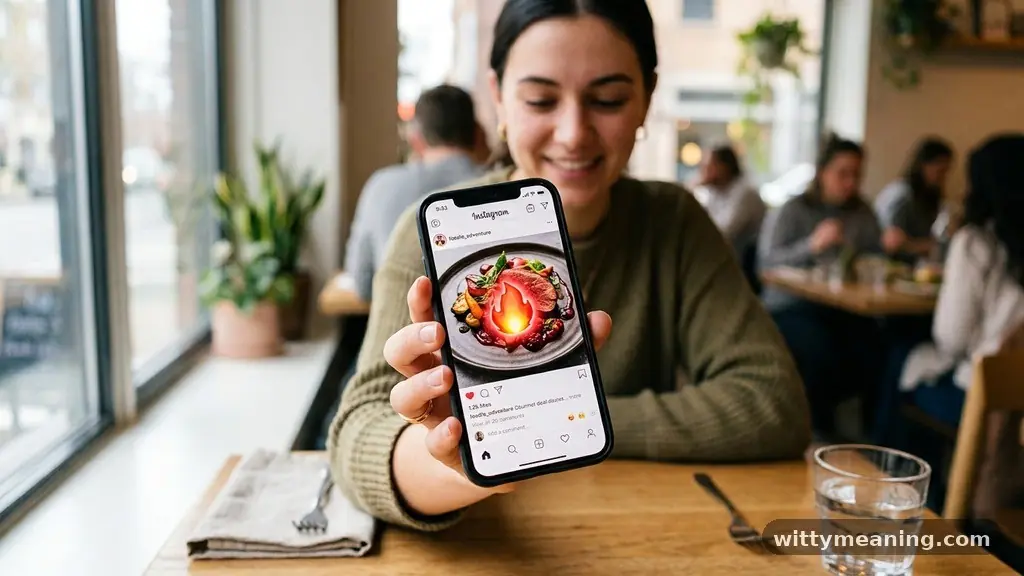
You cannot talk about the slang usage of this word without discussing the fire emoji. In the digital age, the emoji has become the primary vehicle for the word’s meaning.
When a user posts a photo of a new car, a high-fashion look, or a plate of gourmet food, they often do not even need to type the word; a single fire emoji communicates the entire sentiment. This visual shorthand has solidified the term’s place in modern communication.
Interestingly, the emoji has helped bridge the gap between different languages. Because the symbol for fire is universally understood, the term has transcended its linguistic origins to become a global signifier of “heat” or “coolness.”
Whether the recipient speaks Spanish, English, or any other language, they almost always understand that the fire emoji implies something is high-quality or impressive. This cross-cultural utility is a major reason why the term has remained a staple in social media slang for so long.
Regional Variations and Linguistic Nuances
While the term is widely understood across the Spanish-speaking world, the way it is used can vary significantly by region. In some parts of Latin America, the word might be used more frequently in everyday conversation to describe a “hot” situation, while in other regions, it might be reserved for more intense or dramatic scenarios. These regional variations are a reminder that no language is monolithic.
Furthermore, when English speakers incorporate the term, they often ignore these regional subtleties. They tend to treat the word as a flat, one-size-fits-all adjective.
While this is common in the evolution of slang, it is worth noting that a native Spanish speaker might perceive the usage differently depending on their home country. For example, in some Caribbean dialects, the word is used with much more frequency and intensity than in formal Castilian Spanish, where it might be viewed as slightly more colloquial or even informal.
Common Idiomatic Expressions
Beyond the single-word adjective, there are several idiomatic expressions that utilize the term. One phrase that often confuses people is “hasta el fuego.”
While it is not a standard dictionary idiom, it sometimes appears in music or informal speech to suggest something is “up to the heat” or pushing the limits. These types of phrases are often coined by artists or content creators to add a layer of flair to their work.
Another common usage is the phrase “muy fuego.” This is a slight linguistic hybrid where the Spanish “muy” (very) is paired with the slang usage of the term to emphasize that something is exceptionally good. It is essentially the equivalent of saying “very fire” or “extremely hot.”
While it might sound grammatically incorrect to a purist, it is a perfect example of how language evolves when two cultures collide. It is informal, intentional, and highly effective at conveying enthusiasm.
Addressing Topical Gaps: Why It Matters
Many articles about this topic focus exclusively on the “cool” factor, but they often miss the connection to the broader concept of intensity in Hispanic culture. There is a common misconception that the term is only for young people or social media users.
In reality, the concept of “fuego” as a metaphor for passion or spirit has existed in literature and music for centuries. By acknowledging this, we fill the gap between the shallow internet definition and the deeper, more complex reality of the word.
Another gap often ignored is the pronunciation. Many English speakers struggle with the “ue” diphthong, which is a hallmark of the Spanish language. It is not pronounced like the English “f-you-ego.”
The “ue” sound is a quick, gliding transition that gives the word its rhythmic quality. Mastering this pronunciation is a small but important step for anyone who wants to use the word with even a modicum of cultural awareness.
The Influence of Urban Dictionary and Digital Culture
Platforms like Urban Dictionary have acted as a digital repository for the term’s evolution. If you look up the entry, you will see dozens of user-submitted definitions that track how the meaning has shifted over the last decade.
This crowdsourcing of language is a fascinating phenomenon. It allows the community to decide what a word means in real-time, rather than waiting for a formal dictionary to catch up.
This digital evolution has also meant that the term is now subject to the “trend cycle.” As with many slang words, there is a risk of it becoming overused to the point of losing its impact. When everything is “fuego,” then nothing is truly special.
However, the term has shown remarkable staying power. It has survived the typical boom-and-bust cycle of internet slang because it is tied to a powerful, universal concept: the feeling of being energized and impressed.
FAQ Section
What does fuego mean in slang?
In slang, it is used to describe something that is excellent, stylish, or high-quality. It is the equivalent of calling something “fire” in English, implying that an item, song, or event is trending, attractive, or exceptionally impressive.
Is it offensive to use if I don’t speak Spanish?
Generally, no. It is widely considered an appreciative term borrowed from Hispanic culture. However, it is always best to use it in appropriate, casual settings and to be aware that it is a borrowed word, which helps maintain respect for its origins.
What is the correct pronunciation of the word?
The word is pronounced “fweh-go.” The “ue” is a diphthong, meaning the two letters blend into a single, quick sound. Avoid dragging out the “u” sound; it should be a smooth, rapid transition into the “e.”
Does it always mean something is cool?
Not always. In a literal sense, it still refers to actual fire or heat. Always check the context; if you are in a situation where there is a safety risk or a literal flame present, the word is likely being used in its original, literal sense.
Conclusion
Understanding the true meaning of this term requires looking at the intersection of language, culture, and digital trends. It is a word that bridges the gap between a literal element of nature and a modern shorthand for excellence. Whether you are using it to compliment a friend’s style or simply trying to understand the latest social media comment, the word carries a weight of intensity and passion that is hard to replicate.
By keeping the context in mind—and respecting the linguistic heritage of the Spanish language—you can use the term naturally and effectively. Language is always changing, and this word is a perfect example of how global influences continue to shape the way we express our enthusiasm for the world around us.
Meta Description: Discover the true fuego meaning, from its literal Spanish roots to its role as popular social media slang for something cool, stylish, or intense.