


If you have spent any time looking at a clinical chart, a police report, or an emergency room intake form, you might have stumbled upon the term EtOH. It is one of those shorthand codes that feels like a secret language, yet it is used daily by professionals across the globe. Understanding the etoh meaning is essential for anyone interested in medical documentation, public safety, or toxicology reports.
This abbreviation is not just a random sequence of letters; it serves as a precise, standardized way to communicate the presence of alcohol in a patient’s system. By grasping this term, you gain insight into how healthcare and law enforcement professionals streamline their communication during high-pressure situations.
What Does EtOH Stand For in Clinical Settings?
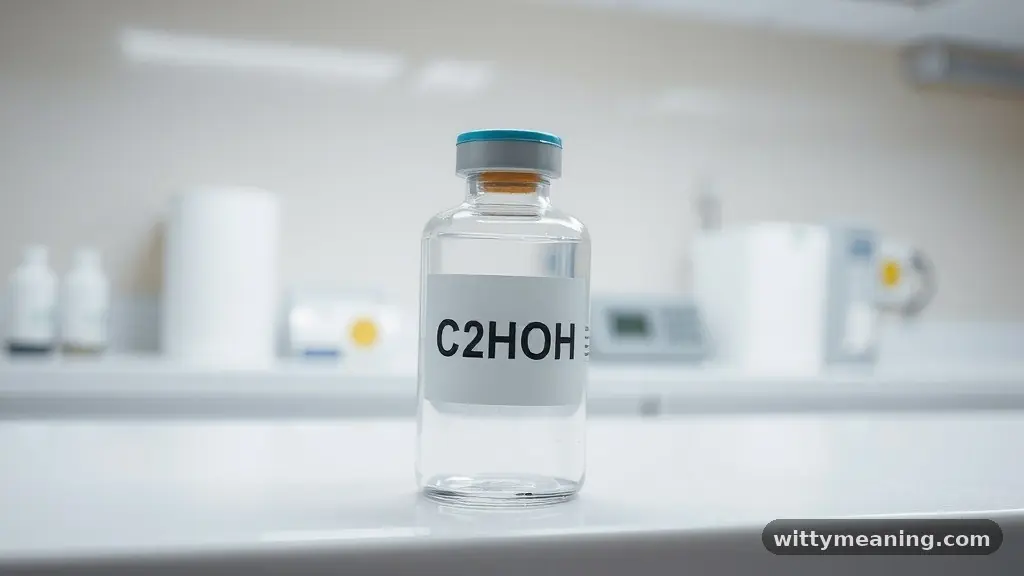
At its core, the etoh meaning is a shorthand for ethanol, the specific type of alcohol found in alcoholic beverages. In the medical community, practitioners use this abbreviation to denote the presence or consumption of alcohol by a patient.
While the average person might just say “alcohol,” doctors and nurses rely on shorthand to keep records concise and standardized. This practice helps ensure that information is communicated quickly between different departments, such as from an ambulance crew to the emergency room team.
When clinicians document alcohol usage, they are often tracking more than just a simple habit; they are recording a factor that can drastically alter a patient’s treatment plan. Because alcohol interacts with a wide range of medications, knowing that a patient has been drinking is vital for safety. By using the term EtOH, staff can quickly flag that potential intoxication might be influencing a patient’s symptoms, such as their level of consciousness, heart rate, or behavioral stability.
The Chemical Context of Ethanol
It is helpful to look at the chemistry behind the term to understand why it is used so ubiquitously in science and medicine. The chemical formula for ethanol is C2H5OH. You will notice that the abbreviation EtOH is essentially a condensed version of this structural formula.
The “Et” represents the ethyl group (C2H5), and the “OH” represents the hydroxyl group. This specific chemical structure is what allows alcohol to be soluble in water and to cross the blood-brain barrier so effectively.
Because of its chemical properties, ethanol affects the central nervous system by acting as a depressant. When medical professionals write EtOH on a chart, they are identifying the presence of a substance that physically changes how the body functions.
This is why the term is so frequently paired with blood alcohol concentration, or BAC, in clinical notes. Understanding the chemical nature of the substance provides the necessary context for why clinicians are so focused on its presence during physical assessments.
Common Medical Contexts for EtOH
In the medical community, this abbreviation appears most frequently in triage and acute care scenarios. When a patient arrives at the emergency department, the medical team needs to rule out or identify contributing factors to the patient’s condition.
If a patient is brought in with an altered mental state, clinicians must determine if the cause is neurological, metabolic, or related to substance use. Documentation of EtOH helps the medical team categorize the patient’s status immediately.
Healthcare professionals, including nurses, doctors, and emergency medical technicians (EMTs), use this shorthand to document observations about a patient’s breath, behavior, or self-reported intake. It is a neutral, clinical way to state a fact without using judgmental language. For example, a note might state “Patient positive for EtOH,” which is a clear, objective observation regarding the patient’s toxicology status at the time of admission.
How Emergency Services Utilize the Abbreviation

Emergency services rely heavily on standardized abbreviations to keep radio transmissions and digital records efficient. During a busy shift, an EMT might report to a hospital dispatch that they are transporting a patient with suspected EtOH involvement. This gives the receiving hospital a heads-up to prepare for potential complications, such as vomiting, respiratory distress, or aggressive behavior.
In any context involving toxicology, physical assessment, or behavioral health, the presence of alcohol changes the triage priority. Emergency teams are trained to look for signs of intoxication because it often masks other injuries.
If a person has fallen due to alcohol consumption, they might not feel the pain of a broken bone or a head injury. By documenting the presence of EtOH early, the medical team ensures that no underlying trauma is missed due to the patient’s diminished sensitivity to pain.
Toxicology Reports and Blood Alcohol Concentration
When a patient is admitted for a suspected overdose or a serious accident, a toxicology screen is often performed. In these reports, you will frequently see the abbreviation used alongside numerical data.
The blood alcohol concentration, or BAC, is the standard metric used to quantify exactly how much ethanol is in the bloodstream. While EtOH indicates the presence of the substance, the BAC provides the clinical severity of the intoxication.
Clinicians use these reports to make life-saving decisions. For instance, if a patient is unconscious, the medical team must know if the cause is severe alcohol poisoning or a traumatic brain injury.
A high BAC reading associated with an EtOH finding allows the physician to treat the intoxication while simultaneously checking for other causes of the patient’s condition. This dual approach is standard in modern trauma protocols.
Standardized Documentation in Healthcare
Documentation is a massive part of a healthcare provider’s day. To maintain high standards of patient care, medical facilities utilize systems where abbreviations like EtOH are recognized universally.
This reduces the risk of misinterpretation. If every clinician knows exactly what the term means, there is less room for error during a handoff between shifts.
This standardization extends to digital health records as well. Most hospital software systems include pre-set codes for common findings. When a doctor selects a code related to substance use, the system often populates the term in the chart automatically.
This creates a clear, readable history for any specialist who might need to review the patient’s files in the future. It is a vital component of the modern medical record-keeping ecosystem.
Trauma Protocols and Alcohol Involvement
In emergency rooms, trauma protocols are designed to be fast and systematic. When a patient enters the trauma bay, the primary survey focuses on airway, breathing, and circulation.
If the patient has been drinking, these three areas are at higher risk of compromise. The etoh meaning takes on a heightened significance here because alcohol can suppress the gag reflex, putting the patient at risk of aspiration.
Medical staff often use specialized charts to track the patient’s recovery from acute intoxication. They might note the initial EtOH level and then re-test periodically to see how the patient is metabolizing the substance.
This monitoring is crucial for determining when it is safe to discharge a patient or transfer them to a psychiatric or addiction recovery facility. You can learn more about the physiological impacts of alcohol on the body through the National Institute on Alcohol Abuse and Alcoholism.
Addressing Misconceptions and Legal Usage

There is often confusion among the public regarding the use of medical shorthand in legal documents. Police reports often use the same abbreviation as hospitals to maintain consistency.
When an officer notes “subject exhibited signs of EtOH,” they are using the same clinical shorthand to describe observable behavior. This creates a bridge between the observations made in the field and the medical findings made at the station or hospital.
It is important to note that the term itself is not a diagnosis of alcoholism. It is simply a description of the presence of ethanol.
This is a common point of confusion for patients who see the term on their records and worry about how it reflects on their permanent health history. Healthcare professionals are careful to distinguish between an acute finding of intoxication and a long-term diagnosis of substance use disorder.
Comparing Clinical Terms
To see how the abbreviation fits into the broader vocabulary of medical professionals, it is helpful to compare it to other common shorthand terms used in similar contexts.
| Abbreviation | Full Term | Clinical Context |
|---|---|---|
| EtOH | Ethanol | Presence of alcohol in bloodstream |
| BAC | Blood Alcohol Concentration | Quantitative measure of alcohol level |
| LOC | Level of Consciousness | Assessment of neurological status |
| AMA | Against Medical Advice | Patient leaving before treatment completion |
This table illustrates that while EtOH is a substance identifier, it is almost always used in conjunction with other clinical assessments like LOC or BAC to build a complete picture of the patient’s health status.
Common Questions Regarding the Term
- Is EtOH a formal medical diagnosis? No, it is an abbreviation for a substance, not a condition.
- Does this term imply a person is an alcoholic? Not necessarily; it only indicates the presence of alcohol at the time of observation.
- Why is it written as “EtOH” instead of “Alcohol”? The “Et” and “OH” are derived from the chemical structure, making it a more precise scientific label.
- Can this abbreviation be used in legal court cases? Yes, it is often found in police and medical records used as evidence in legal proceedings.
Addressing Common Gaps in Public Knowledge
Many people search for this term because they see it on a family member’s chart and feel confused. A major gap in common knowledge is the distinction between the presence of a substance and a behavioral diagnosis. People often fear that seeing this term on a document will automatically label someone for life.
In reality, the abbreviation is a snapshot in time. It is a clinical data point, not a moral judgment.
Another gap is the understanding that different medical specialties use the term differently. An emergency medicine physician uses it to rule out immediate life threats, while a psychiatrist might use it to track patterns of consumption over time. Recognizing that the term serves different functions depending on the context helps clarify why it appears in such a wide variety of medical and legal documents.
Frequently Asked Questions
What does EtOH stand for in medical terms?
In medical terms, EtOH is the standard scientific abbreviation for ethanol, which is the primary alcohol found in beverages. It is used by healthcare providers to document that a patient has consumed alcohol, which is critical for identifying potential drug interactions or altered mental status.
Why do doctors use EtOH on patient records?
Doctors use this abbreviation to maintain clinical efficiency and standardization. It allows for quick communication between medical staff, ensuring that everyone involved in a patient’s care is aware of the presence of alcohol, which can significantly impact physical assessments and treatment plans during an emergency.
Is the term EtOH used by police and emergency services?
Yes, police and emergency services use the term to maintain consistent language across different agencies. When a police officer or EMT notes the presence of EtOH, it provides a clear, objective observation that can be easily understood by hospital staff upon the patient’s arrival.
Does seeing EtOH on a chart mean a patient has a drinking problem?
No, it does not. The abbreviation simply denotes the presence of ethanol in the system at the time of the examination. It is a descriptive data point used for clinical accuracy and does not function as a diagnosis of alcohol use disorder or chronic alcoholism.
Closing Thoughts on Clinical Documentation
Understanding the etoh meaning is a useful way to demystify the shorthand used in professional medical settings. By knowing that it refers to ethanol, you can better understand how clinicians, nurses, and emergency personnel communicate critical information about a patient’s status. Whether you are reviewing a medical record or simply curious about the language used in healthcare, recognizing this abbreviation helps bridge the gap between complex clinical documentation and everyday understanding.
While it is just one of many abbreviations used in the fast-paced world of medicine, it serves as a reminder of how precise language is used to ensure safety and clarity. If you ever have concerns about what is written on a medical chart, the best next step is to speak directly with your healthcare provider.
They can provide the necessary context for any shorthand used in your records, ensuring you have a full understanding of your personal health information. We hope this overview helps you feel more confident when interpreting the technical language found in clinical settings.