

When you encounter the abbreviation EOW in a digital message, the intended message often depends entirely on the setting in which it appears. Whether you are dealing with a quick text from a colleague or reading a formal report, understanding the eow meaning in text requires a sharp eye for context. While it frequently serves as a simple shorthand for time management, it can carry heavy, solemn connotations in other environments.
Deciphering these letters correctly prevents miscommunication and ensures you respond appropriately to the tone of the sender. This article explores the various ways this acronym functions across professional and personal communication channels.
Defining the Common Business Usage

In the realm of business communication, the most frequent interpretation of EOW is “End of Week.” This is a ubiquitous piece of business jargon used to establish a deadline or a timeline for deliverables.
If a manager asks for a report by EOW, they typically mean by the close of business on Friday. Using this shorthand allows teams to keep their emails and instant messages concise, focusing on the core task rather than wordy date descriptions.
However, the specific hour that constitutes the end of the week can be subjective. Does it mean 5:00 PM on Friday, or does it imply the task should be finished by the time everyone logs off for the weekend? Most project management professionals interpret this as the final working hours of a standard Friday.
When you use this term, it is often wise to clarify the specific time if the task is time-sensitive. This helps maintain professional productivity and avoids the frustration of missed deadlines caused by vague expectations.
The Solemn Significance in Law Enforcement
Outside of the office, the letters carry a vastly different weight. Within law enforcement and emergency services, EOW stands for “End of Watch.” This is a deeply respectful term used to honor a fallen officer who has died in the line of duty.
You will often see this phrase used in memorial posts, news reports, and official tributes. It signifies the conclusion of a career and a life dedicated to public service.
This usage is never meant to be casual. It is a formal, somber designation that demands reverence. If you encounter this term in a social media post or a news article, it is vital to recognize that it refers to a death.
Using it in a lighthearted or office-related context would be deeply inappropriate. Understanding this distinction is a crucial part of digital literacy, as it prevents accidental disrespect in sensitive public discourse.
Common Abbreviations and Contextual Clues
To navigate the various meanings of this acronym, you must look at the surrounding words. The context of your conversation almost always provides the key to unlocking the true intent.
When you are discussing project status or recurring tasks, the “End of Week” meaning is nearly always the intended one. Conversely, if you see the term paired with a name, a badge number, or a date in a public announcement, it is almost certainly referencing the “End of Watch” memorial tradition.
How to Identify the Right Meaning
* Check the sender: Is this a coworker, a friend, or an official organization?
* Analyze the tone: Is the message professional and task-oriented, or is it commemorative and serious?
* Look for supporting details: Are there deadlines, calendar dates, or names attached to the acronym?
Using these clues, you can quickly categorize the message. If it feels like a request for work, it is business-related.
If it feels like a tribute, it is likely related to public service. Misinterpreting these signals can lead to awkward interactions, so taking a moment to read the room—or the screen—is always a smart move.
Navigating Workplace Etiquette
Using text messaging shorthand like EOW in a workplace setting is generally acceptable, but it comes with caveats. In fast-paced environments, such as those using Slack or Microsoft Teams, brevity is highly valued.
Using EOW to signal a deadline for a project status update is standard practice. It keeps the flow of digital correspondence moving quickly and prevents long, drawn-out emails that clutter an inbox.
However, avoid using this acronym in formal client-facing documents or high-stakes communications. When you are writing a professional email to a client or a senior executive, it is better to be explicit. Writing “by Friday afternoon” is more professional and leaves no room for error.
Acronym ambiguity is a real risk in business, and clarity should always be your priority when the stakes are high. Being precise with your language reflects well on your attention to detail.
The Role of Slang and Urban Dictionary
Like many short-form terms, the eow meaning in text can sometimes be influenced by internet culture. Sites like Urban Dictionary often catalog various slang meanings that emerge in specific subcultures. Occasionally, people might use EOW to represent something entirely different, such as a playful shortening of “end of world” or other niche phrases.
It is important to remember that internet slang is highly fluid. What is common in one online community might be completely unknown in another. If you see EOW used in a way that doesn’t fit the “End of Week” or “End of Watch” definitions, it is likely a localized or temporary slang variation.
In these cases, the best approach is to ask for clarification. Most people are happy to explain their shorthand if you approach them with curiosity rather than confusion.
Military Terminology and Other Interpretations
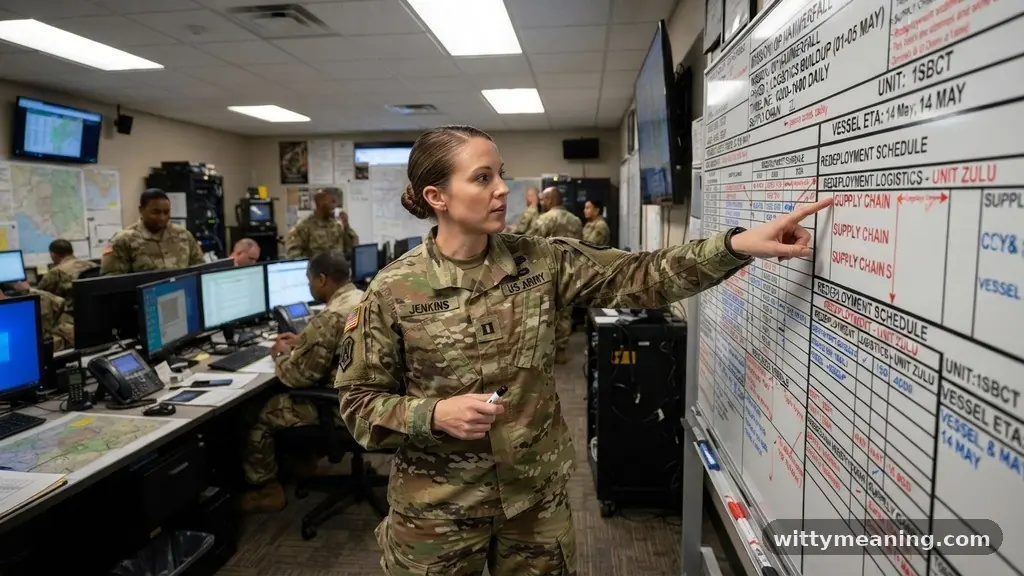
Beyond the office and the memorial service, military terminology sometimes employs abbreviations that mimic these letters for logistical tracking. In some military or government contexts, EOW might track specific operational cycles or reporting periods. These cycles are often rigid and tied to specific mission timelines rather than the standard Monday-to-Friday work week.
If you are working with government contractors or defense-related organizations, keep in mind that their internal lexicon may be more structured. They may use EOW in a way that aligns with their specific reporting schedules.
While these uses are less common in general society, they reinforce the point that acronyms are rarely universal. Always consider the industry before assuming the meaning of a three-letter term.
Comparing Common Acronym Interpretations
To help visualize how the meaning shifts based on the environment, we can compare the most common uses. This table highlights the core differences in intent, audience, and tone.
| Context | Meaning | Primary Audience | Typical Tone |
|---|---|---|---|
| Business | End of Week | Colleagues, Managers | Professional, Direct |
| Law Enforcement | End of Watch | Public, Peers | Somber, Respectful |
| Project Mgmt | End of Week | Team Members | Functional, Task-focused |
| Niche/Slang | Varies | Internet Communities | Informal, Casual |
Managing Expectations with Deadlines
When you use EOW as a deadline, you are effectively setting a boundary for your availability and your output. This can be a double-edged sword.
On one hand, it provides a clear target for completion. On the other hand, if your interpretation of “End of Week” differs from your boss’s interpretation, you could find yourself in a stressful situation on a Friday afternoon.
To master professional productivity, always confirm the “when.” A simple follow-up, such as “Just to clarify, would you like this by EOW, meaning by end of day Friday?” can save you hours of unnecessary stress.
This demonstrates that you are proactive and care about the quality of your work. Effective communication is not just about using the right shorthand; it is about ensuring both parties are on the same page regarding the outcome.
The Evolution of Digital Correspondence
The way we communicate has fundamentally changed how we use language. We are constantly seeking ways to condense information, which leads to the proliferation of acronyms in our daily lives.
EOW is a perfect example of this linguistic evolution. We have traded long-form phrases for quick, punchy letters to match the speed of our digital tools.
While this efficiency is great, it does require a shared understanding of what these letters represent. As we move forward, the meaning of these terms will continue to shift.
Some will become standard dictionary entries, while others will fade away as our tools for communication change again. Staying adaptable and aware of these shifts is a key part of maintaining strong, clear connections with those we work and live with.
FAQ
Is EOW a standard business term?
Yes, EOW is widely recognized in business communication as shorthand for End of Week. It is commonly used to indicate a deadline for project tasks, reports, or deliverables due by the conclusion of the standard work week, typically by Friday evening.
What does EOW mean in a police context?
In law enforcement and emergency services, EOW stands for End of Watch. It is a formal, respectful term used to honor officers who have passed away in the line of duty, marking the completion of their service and their transition to remembrance.
Should I use EOW in formal emails?
It is generally better to avoid using EOW in formal or high-stakes emails. While it is acceptable for internal team chats, spelling out “by the end of the week” or providing a specific date is more professional and prevents any ambiguity.
Can EOW mean anything else?
While End of Week and End of Watch are the primary meanings, EOW can occasionally be used as niche slang in specific internet communities. If you encounter the acronym in a context that does not fit business or memorial usage, it is likely a localized abbreviation.
Closing Thoughts on Acronym Usage
Understanding the eow meaning in text is all about reading the room. Whether you are setting a project deadline for a Friday afternoon or paying your respects to a fallen public servant, the acronym serves as a bridge for communication. By paying attention to the context and the sender, you can navigate these different meanings with ease and professionalism.
The most effective communicators are those who know when to use shorthand to keep things moving and when to use full sentences to ensure total clarity. As you continue to interact in digital spaces, keep these distinctions in mind to ensure your message is always received exactly as you intended. If you have any further questions about common digital shorthand, feel free to reach out and explore more topics with us.