

When you encounter the acronym DTF, the context changes everything. In the world of digital communication, it often carries a blunt, sexually explicit connotation, whereas in the manufacturing sector, it refers to a sophisticated method for creating custom apparel.
Understanding which definition applies depends entirely on the environment, whether you are scrolling through a dating app or browsing a supplier’s catalog for screen printing alternatives. This article explores both the social implications of this popular term and the technical reality behind the industrial printing process that shares its name.
The Social Context of Digital Slang

In casual conversation, particularly on dating apps or social media, the dtf meaning is shorthand for “down to fuck.” This is a highly direct, unambiguous way of expressing interest in a casual sexual encounter.
Because it is so blunt, it is rarely used in polite company or professional settings. Using this term signals a departure from traditional dating norms, prioritizing immediate physical gratification over the slow burn of getting to know someone.
The rise of this specific bit of digital slang reflects the broader shift toward efficiency in modern communication. When people are navigating the crowded landscape of online dating, they often look for ways to filter potential matches quickly.
By stating their intentions upfront, users feel they are saving time and managing expectations. However, this approach can be perceived as aggressive or disrespectful depending on the recipient’s personal boundaries and cultural background.
Navigating Ambiguity in Communication
Misunderstandings frequently arise when slang terms have dual meanings. A professional graphic designer might mention a new project involving direct to film technology, only to have a client or colleague misinterpret the acronym entirely.
This creates a friction point where the professional context is overshadowed by the more common, informal usage. Being aware of these dual identities is essential for maintaining clear communication.
When you are unsure how a term is being used, the best approach is to look for environmental cues. If the conversation centers on graphic design, custom merchandise, or apparel production, you can safely assume the person is talking about the printing process.
If the topic is personal relationships, dating, or social interactions, the sexual slang is almost certainly the intended message. Ignoring these cues is a recipe for awkward social blunders.
Direct to Film: The Industrial Printing Process
Switching gears to the manufacturing world, the acronym stands for direct to film. This is a revolutionary method in the textile industry that has transformed how businesses produce custom apparel.
Unlike older techniques that required expensive screens or limited color palettes, this technology allows for high-resolution, full-color designs to be printed directly onto a special PET film. The film is then coated with a hot-melt adhesive powder, cured, and finally heat-pressed onto the garment.
This process has gained massive popularity because it is incredibly versatile. It works beautifully on a wide range of fabrics, including cotton, polyester, and nylon blends.
Because the design is printed on a transfer film before being applied to the shirt, the final result is durable, vibrant, and surprisingly soft to the touch. For businesses looking to scale their operations without the massive overhead of traditional screen printing, this method offers a streamlined solution.
How the Technology Works
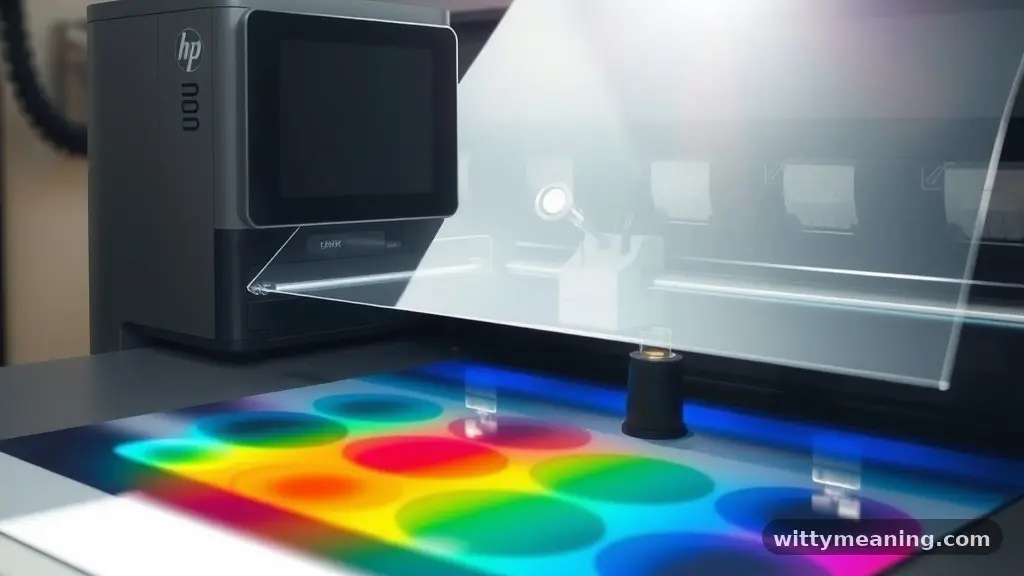
The mechanics behind this printing method are precise and rely on specialized equipment. First, an inkjet printer equipped with specific inks prints the design onto a clear PET film.
The printer lays down the CMYK colors first, followed by a layer of white ink that acts as a base. This white layer is crucial because it ensures the colors remain vibrant, even when applied to dark or colored fabrics.
After printing, the wet ink is covered with a specialized adhesive powder. The film then goes through a curing oven, which melts the powder and binds it to the ink. Once cured, the film is ready to be transferred.
You place the film on the garment and use a heat press to bond the design to the fabric fibers. The final step is peeling away the PET film, leaving behind a professional-grade print that stands up well to everyday wear and tear.
Advantages Over Other Methods
When comparing this technology to traditional options, the benefits become clear. Screen printing, while excellent for large bulk orders, is notoriously slow to set up and expensive for small runs because of the screen creation process.
Digital printing, or DTG (Direct to Garment), is another popular option, but it often struggles with fabric limitations. DTG works best on cotton, yet it can be difficult to achieve consistent results on synthetic materials like polyester.
Direct to film bridges this gap effectively. It offers the high-detail, full-color output of digital printing while providing the fabric versatility of heat transfers.
Furthermore, the prints are known for their longevity, often remaining crisp even after many laundry cycles. This durability makes it a favorite for brands producing high-quality merchandise that needs to look good months after the purchase.
| Printing Method | Best Fabric Type | Setup Complexity | Cost for Small Runs |
|---|---|---|---|
| Screen Printing | Cotton | High | Expensive |
| DTG | Cotton | Low | Moderate |
| Direct to Film | Cotton, Poly, Nylon | Low | Affordable |
Comparison with DTG and Screen Printing
Understanding the differences between these methods helps in choosing the right tool for the job. Screen printing is the gold standard for large-scale production where the design has only a few colors.
It provides a thick, durable ink layer that is synonymous with high-quality retail apparel. However, it is not practical for one-off custom designs.
DTG printing is essentially an inkjet printer for clothing. It is fantastic for intricate, photographic-style prints on light-colored cotton shirts. The main drawback is the pretreatment process required for dark garments and the fact that it doesn’t adhere well to polyester.
Direct to film effectively sidesteps these issues, providing a “best of both worlds” scenario where you get the flexibility of digital printing with the durability of a transfer. For more technical details on industry standards, you can check out the International Organization for Standardization for guidance on textile quality and safety.
Common Misconceptions in the Industry
One of the biggest myths is that direct to film prints feel like a heavy plastic sticker. While early versions of heat transfers had this issue, modern PET film technology and high-quality inks have significantly improved the hand-feel of the final product. When the process is executed correctly, the ink binds so well to the fabric that it feels flexible and lightweight, similar to screen-printed ink.
Another misconception is that the process is strictly for small-scale hobbyists. In reality, large industrial printing shops have integrated this technology to handle their “overflow” work or to manage orders that require multiple fabric types. It is a highly efficient way to manage inventory because you can print the transfers in advance and apply them to garments only when an order is placed, reducing the need for pre-printed stock.
The Role of Custom Apparel in Branding
Custom apparel is a vital component of modern branding. Whether it is a local coffee shop selling branded hoodies or a tech company providing swag for employees, the quality of the print reflects the quality of the brand. Using outdated or cheap printing methods can lead to designs that crack or fade, which inadvertently damages the brand’s image.
By utilizing high-quality direct to film transfers, businesses can ensure their logo and designs remain sharp and professional. This consistency builds trust with customers. When a shirt feels good and looks great even after dozens of washes, the recipient is far more likely to wear it regularly, turning them into a walking advertisement for the brand.
Future Trends in Printing Technology
The industry is moving toward even faster and more eco-friendly solutions. Manufacturers are developing water-based inks that are safer for the environment and reduce the chemical footprint of the printing process. Additionally, automation in the curing and heat-pressing stages is helping shops increase their throughput without needing to hire additional staff.
We are also seeing a rise in “on-demand” manufacturing. Instead of printing thousands of shirts and hoping they sell, companies are using these digital technologies to print items only as they are ordered.
This model drastically reduces waste, which is a major win for sustainability. As the technology continues to evolve, we can expect the barrier to entry for small businesses to drop even further.
FAQ Section
What does it mean if someone says they are DTF?
In a social or dating context, this is a common piece of digital slang meaning “down to fuck.” It is used to express a desire for a casual, no-strings-attached sexual encounter. It is generally considered blunt and is best used only in appropriate, consensual settings.
Is there a difference between DTF and DTG printing?
Yes, they are distinct processes. DTG (Direct to Garment) prints ink directly onto the fabric, which usually requires a cotton-heavy material. DTF (Direct to Film) prints onto a special film that is then heat-pressed onto various fabrics, including polyester and nylon blends, offering more versatility.
Can I use a regular printer for direct to film?
No, you cannot use a standard home inkjet printer. The process requires a specifically modified printer that can handle specialized inks, a white ink channel for base layers, and the ability to print onto PET film. Attempting this with a standard printer will result in failed prints and broken equipment.
Why do people use DTF for custom shirts?
It is highly popular for custom apparel because it is cost-effective for small batches, allows for full-color designs, and works on almost any fabric type. It also produces durable prints that resist cracking and fading, making it a reliable choice for professional-quality merchandise and team gear.
Conclusion
The acronym carries two very different meanings depending on whether you are navigating a conversation or running a business. In your personal life, understanding the social implications of the slang helps you decipher intent and maintain clear boundaries. In the professional world, recognizing the potential of the printing technology allows you to produce high-quality, durable custom apparel that meets the demands of modern branding.
Whether you are dealing with digital slang or industrial printing equipment, the key is context. Stay mindful of where you are and who you are speaking to, and you will navigate these dual meanings with ease. If you have further questions about printing technology or want to explore more about digital trends, feel free to reach out and share your thoughts.