
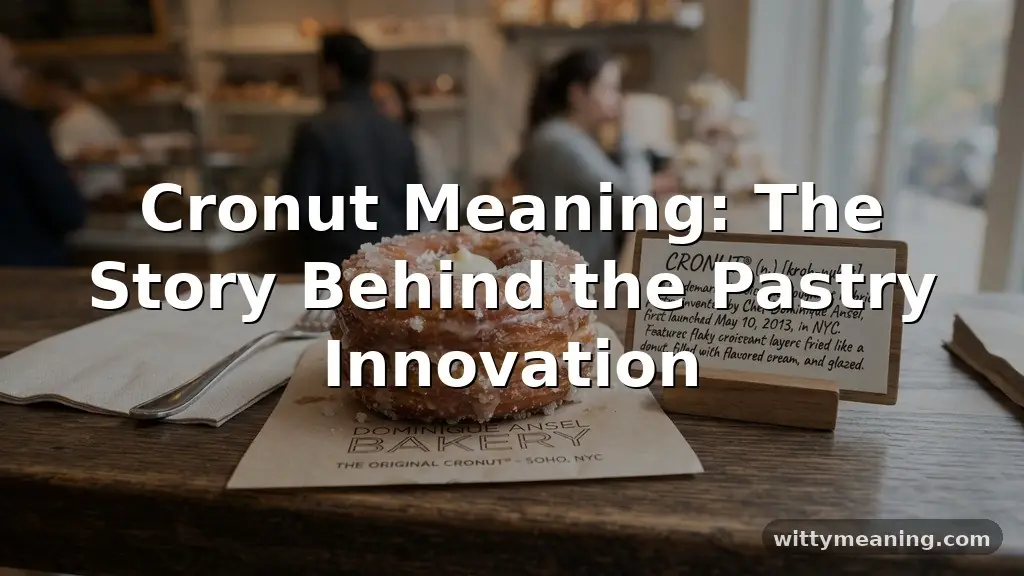

When you hear people discussing the cronut meaning, they aren’t just talking about a snack; they are referencing a specific moment in culinary history that changed how bakeries operate. Born in a small shop in New York City, this creation turned the simple act of eating a pastry into a global event.
Understanding what the name truly signifies requires looking past the simple ingredients to the cultural impact it had on dessert culture. It represents the intersection of classic French technique and American indulgence, proving that even the most traditional recipes can be reimagined for a modern audience.
The Genesis of the Croissant-Doughnut Hybrid
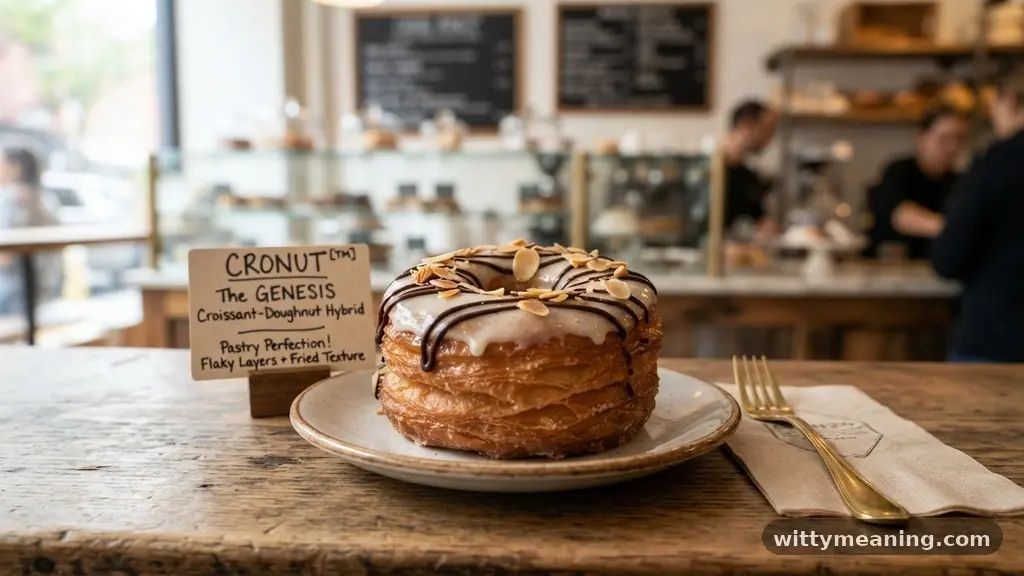
The cronut meaning is rooted firmly in the work of pastry chef Dominique Ansel, who introduced the item at his Soho bakery in 2013. Before this, the idea of a croissant-doughnut hybrid was largely absent from mainstream menus.
Ansel spent months experimenting with over ten different recipes before settling on a version that balanced the structural integrity of dough with the light, airy layers expected from a fine pastry. The result was not just a new item on the menu but a genuine piece of bakery innovation that challenged the status quo of traditional breakfast treats.
At its core, the treat is made from a laminated dough, which is similar to what you would find in a classic croissant. However, the preparation process involves a unique deep-fried technique that transforms the texture into something entirely new.
Because it is fried rather than baked, the exterior achieves a crispness that contrasts sharply with the soft, delicate layers inside. This specific interaction between the cooking method and the dough composition is what defines the experience for most consumers.
Defining the Trademarked Term
It is important to recognize that the term is actually a trademarked term. Dominique Ansel Bakery took the step of securing the name to protect the integrity of the original recipe.
This means that while many shops produce similar items, they cannot legally use the specific name unless they are affiliated with the creator. When you see similar items in local cafes, they are often labeled as “croissant-doughnuts” or “dough-ssants” to avoid legal complications regarding food trademarks.
This legal distinction is a significant part of the cronut meaning in a commercial sense. It illustrates how a single food invention can become a brand in its own right.
By protecting the name, the bakery ensured that the public associated the quality and craftsmanship of the original with that specific word. It serves as a classic case study in how intellectual property can be managed within the culinary world, particularly when a product becomes a viral food phenomenon overnight.
The Science of Laminated Dough
To truly appreciate why this pastry stands out, one must understand the complexity of laminated dough. Lamination is a process where butter is folded into the dough repeatedly to create dozens of thin, distinct layers.
In a standard croissant, this ensures a honeycomb-like interior that is buttery and light. When applied to the context of a fried pastry, the process becomes even more demanding because the fat must remain distinct during the frying phase.
The mastery of this technique is what separates a high-end creation from a standard deep-fried snack. If the temperature of the oil is not perfectly regulated, the layers can collapse, resulting in a dense, greasy product.
When executed correctly, the layers puff up during frying, creating a structure that is both stable and incredibly tender. This level of technical precision is a hallmark of modern pastry innovation and explains why the product took so long to develop in the test kitchen.
Texture Contrast and Sensory Appeal
The primary reason for the success of this treat lies in the deliberate texture contrast. Diners are often drawn to foods that provide a multi-sensory experience, and the combination of a crunchy exterior and a soft, chewy interior is highly satisfying. The sugar coating on the outside provides the first hit of flavor, followed by the richness of the butter-laden dough, and finally the smooth, creamy center.
This balance is not accidental; it is a result of careful planning regarding the flavor profile and the physical mouthfeel. The pastry cream used for the filling is often infused with varying flavors depending on the season, which allows for constant reinvention.
This adaptability keeps the product relevant in an industry where food trends move incredibly fast. The ability to pivot the flavor while maintaining the core structure is a key component of its long-term popularity.
Impact on Modern Dessert Culture
When we discuss the cronut meaning in a wider context, we are looking at a major shift in dessert culture. Before the rise of this treat, bakeries were often seen as static, traditional spaces.
The massive lines that formed outside the Soho bakery signaled that people were willing to wait hours for a specific, high-quality culinary experience. This behavior turned a simple breakfast pastry into a status symbol, effectively bridging the gap between high-end pastry arts and the convenience of a donut shop.
This phenomenon also encouraged other chefs to experiment with culinary cross-breeding. We have since seen countless iterations of hybrid foods, from savory breakfast mashups to fusion desserts that combine international techniques.
The influence of this specific invention cannot be overstated; it essentially created a roadmap for how to launch a viral food product in the digital age. Social media played a massive role in its rise, as the visual appeal of the layered pastry was tailor-made for platforms like Instagram.
The Role of Artisanal Craftsmanship
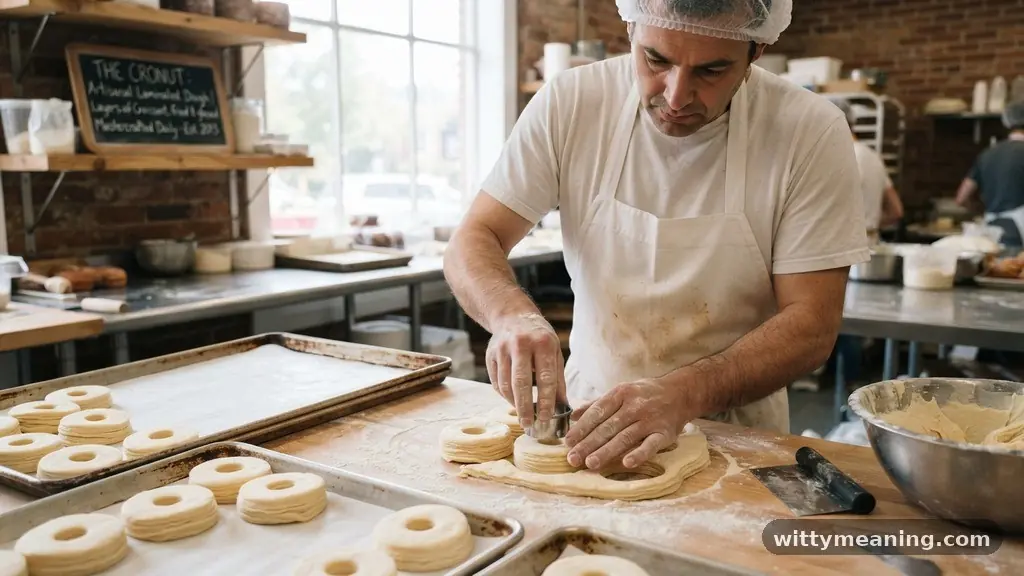
Despite the commercial success, the cronut meaning remains tied to the concept of artisanal craftsmanship. It is not a product that can be mass-produced in a factory without losing its essential qualities.
The labor-intensive nature of the dough-making process ensures that each piece is treated with care. This focus on quality over quantity has helped maintain the prestige of the brand even years after the initial hype subsided.
Many home bakers have attempted to replicate the results, often leading to a deeper appreciation for the professional skill required. Achieving that perfect rise and the distinct layering is notoriously difficult for amateurs.
This difficulty curve reinforces the value of the original, as it is a testament to the dedication of the pastry chefs who prepare it fresh every morning. It highlights the difference between a mass-market snack and a gourmet snack that requires specialized training.
Key Components of the Original Recipe
The recipe is famously complex, involving a three-day process to ensure the dough reaches its peak potential. This is not a quick-fix item that can be whipped up in an hour. The following table highlights the essential stages that contribute to the final product’s status as a signature treat.
| Stage | Process | Purpose |
|---|---|---|
| Dough Preparation | Laminating butter into the base | Creating the distinct, airy layers |
| Proofing | Resting the dough in temperature control | Developing flavor and texture |
| Frying | Cooking in high-quality oil | Achieving the signature crisp exterior |
| Finishing | Adding cream and sugar coating | Providing the final taste profile |
Each of these steps is essential to the cronut meaning, as skipping any part of the process results in a significantly lower-quality product. The time investment is the primary reason why production is limited daily, which in turn creates the scarcity that drives demand. For more information on the history of culinary developments, you can visit the Culinary Institute of America to learn about how professional standards have evolved.
Common Misconceptions About the Pastry
A frequent point of confusion is whether the item is simply a croissant in the shape of a doughnut. While they share ingredients, the cronut meaning is distinct because of the frying process. A croissant is baked, which relies on steam to lift the layers.
The fried version uses the heat of the oil to set the structure rapidly, creating a different mouthfeel entirely. It is a fundamental error to classify them as the same type of pastry.
Another misconception is that the treat is merely a fad. While the initial frenzy was certainly driven by novelty, the product has remained a staple on the menu for over a decade.
This suggests that the quality of the item is sufficient to retain a loyal customer base regardless of the trends. It has evolved from a viral sensation into a classic, proving that good taste often outlasts the initial wave of social media attention.
Evolution of Flavors and Seasonal Variations
The creative potential of the original recipe is nearly infinite. Because the dough itself is relatively neutral, it acts as a canvas for various fillings and coatings.
Every month, the bakery introduces a new flavor, ranging from fruit-based creams to decadent chocolate or nut-infused glazes. This commitment to seasonal variety is a vital part of the cronut meaning, as it ensures that repeat customers always have a reason to return.
* Spring: Floral notes like rose or lavender.
* Summer: Fresh berry reductions and citrus creams.
* Autumn: Spiced fillings like pumpkin or cinnamon apple.
* Winter: Rich chocolate, hazelnut, or eggnog-inspired flavors.
This rotation keeps the brand fresh and encourages the audience to view the pastry as a dynamic, living concept rather than a static item. It also demonstrates how a bakery can maintain engagement through a structured release schedule, turning every new flavor announcement into a small local event for fans of the brand.
Addressing Topical Gaps and Common Questions
When looking at the cronut meaning, it is helpful to clarify why it doesn’t have a direct synonym. People often ask if there are other names for it, but because it is a unique, trademarked item, no other product can truly claim the title. It exists in its own category, which is why it is difficult to find a direct linguistic equivalent in other languages or cultures.
Furthermore, the question of whether it is a “croissant” or a “doughnut” is a false dichotomy. It is a hybrid, and that is exactly the point.
It avoids the binary classification of most baked goods by combining the best elements of two distinct culinary traditions. Understanding this hybrid nature is essential for anyone who wants to grasp why this specific item made such a massive impact on the world of food.
Frequently Asked Questions
Is the cronut a doughnut or a croissant?
It is a hybrid of both. It uses the laminated dough technique of a French croissant but is finished using the deep-frying method common to doughnuts. This combination creates a unique texture that differentiates it from both traditional baked goods and standard fried pastries found in local shops.
Why is there only one official cronut?
The name is a trademarked term owned by the creator, Dominique Ansel. While many bakeries attempt to recreate the pastry, they cannot legally use the specific name. This protection helps ensure that customers know they are getting the authentic, original recipe when they visit an official location.
How long does it take to make one?
The entire process takes three full days from start to finish. This includes the delicate lamination of the dough, the necessary resting and proofing periods, and the final stages of frying and filling. The time-intensive nature of the preparation is why the bakery maintains limited daily quantities.
Can you make a real cronut at home?
While you can make a croissant-doughnut hybrid at home, achieving the specific, professional-grade layers and the precise texture of the original is extremely difficult. It requires specialized equipment and a deep understanding of dough temperature control, which is why the original remains such a sought-after culinary experience.
The Lasting Legacy of the Pastry
The cronut meaning is ultimately about the power of creativity in the kitchen. It showed the world that a small, dedicated team could redefine an entire category of food through persistent experimentation and a commitment to quality.
By combining classic French techniques with a playful American sensibility, the pastry became a permanent fixture in the culinary landscape. It continues to serve as an inspiration for bakers and chefs who look to push the boundaries of what is possible with flour, butter, and heat.
If you ever find yourself in a city with an official location, trying one is the only way to truly understand the texture and flavor that sparked the phenomenon. Beyond the hype, it remains a well-crafted treat that rewards those who appreciate the details of fine pastry.
Whether you view it as a piece of history or simply a delicious snack, the impact it left on the world of food is undeniable. Hopefully, you now have a much clearer picture of what this iconic item represents.