
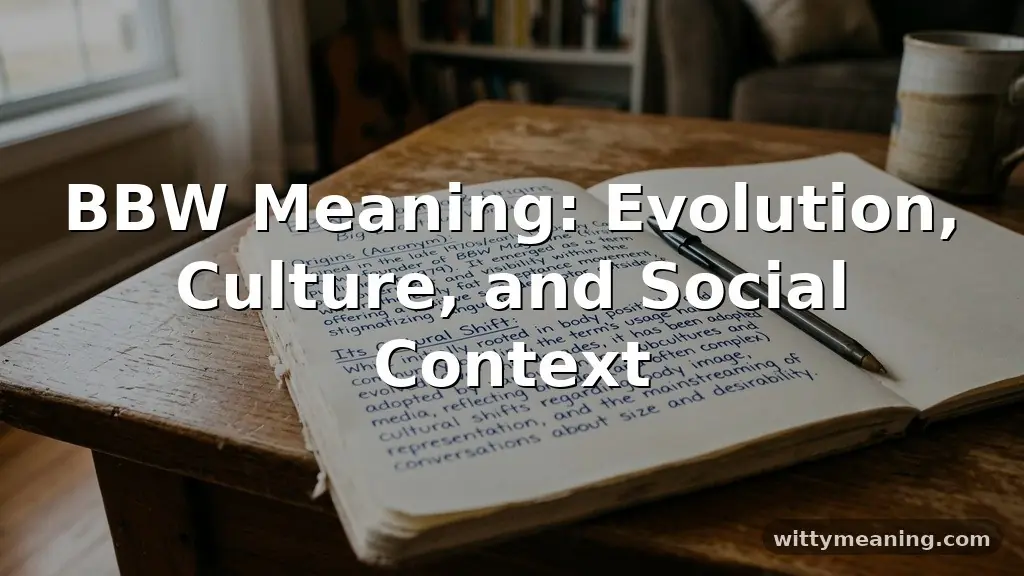

When people encounter the term online, the BBW meaning is often reduced to a simple physical descriptor, yet the reality involves a much deeper cultural shift. Standing for “Big Beautiful Woman,” the acronym emerged as a way to reclaim language and celebrate body types that were historically ignored or mocked by mainstream media.
Understanding this term requires looking past the surface to see how it functions as both a label and a tool for community building. It represents a significant departure from restrictive beauty standards, signaling a move toward broader acceptance and the celebration of weight diversity in modern society.
Origins of the Acronym and Its Cultural Shift
The history of the acronym is rooted in the need for a specific, positive identifier within communities that felt excluded from traditional fashion and media narratives. By framing the descriptor with the word “beautiful,” the term actively challenges the historical social stigma attached to larger body sizes. This wasn’t just about finding a shorthand for a body type; it was a deliberate act of linguistic reclamation.
Early usage of the term often appeared in personal ads and niche publications, eventually finding a larger home on the internet. As digital spaces grew, the label helped individuals find one another, fostering a sense of belonging that was difficult to achieve in the physical world. This shift transitioned the term from a mere physical observation to a badge of pride, directly influencing how many people now view their own personal identity.
The Intersection with Body Positivity
The connection between this terminology and the broader body positivity movement is undeniable. While the movement itself advocates for the acceptance of all bodies, the specific focus on “big” individuals highlights the fight against systemic body shaming. Proponents argue that using such terms helps normalize the presence of diverse shapes in public and private spheres.
This alignment serves as a bridge to body neutrality, where the focus shifts from constant celebration to simply existing without judgment. By centering the conversation on respect and autonomy, the movement encourages a healthier relationship with one’s own frame. It challenges the idea that value is tied to size, pushing for a world where people are judged by their character rather than their measurements.
Navigating Online Dating Subcultures
In the realm of online dating, the term has become a standard category for those seeking partners who appreciate or identify with this aesthetic. BBW dating platforms have grown in popularity because they provide a space free from the typical pressures found on more mainstream apps. These spaces often focus on mutual attraction and shared preferences, which can reduce the anxiety many feel when navigating conventional dating markets.
However, the proliferation of these niche sites also brings challenges regarding how people are perceived. Users often have to filter through fetishization to find genuine human connections. Despite these hurdles, the growth of these platforms shows a clear demand for spaces that validate specific preferences while maintaining a respectful environment for all participants involved in the dating pool.
Fashion Industry Representation and Change
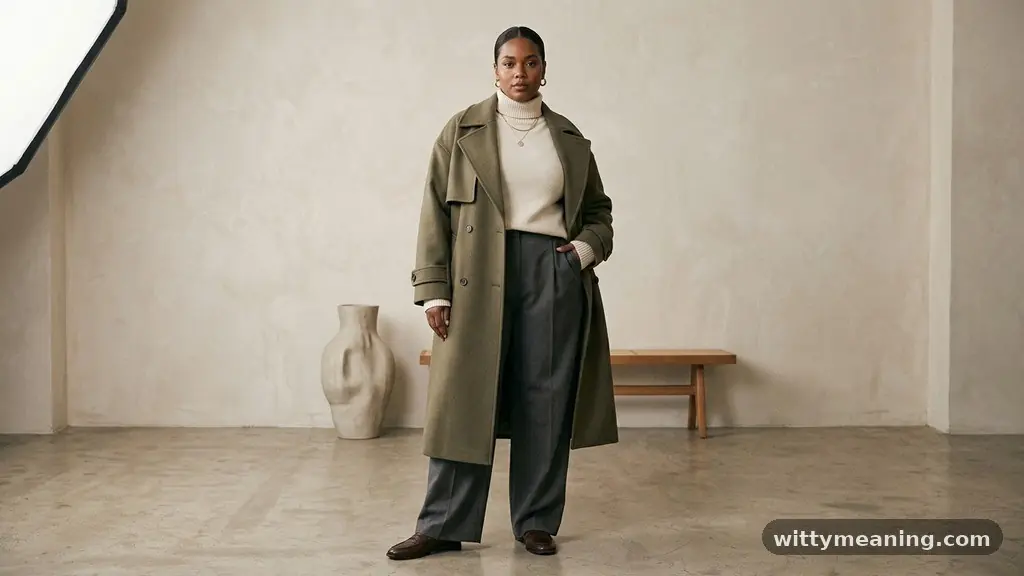
For decades, the fashion industry lagged behind in providing stylish, high-quality clothing for plus-size bodies. The movement surrounding the term has acted as a catalyst for change, forcing brands to recognize that a massive segment of the population was being ignored. More designers are now embracing inclusivity, moving away from “vanity sizing” and toward truly representative collections.
This change is not just about profit; it is about visibility. When major labels feature a wider variety of body types in their campaigns, it slowly erodes the narrow beauty standards that have dominated the industry for years. You can see this shift in the increasing number of runway models who defy traditional metrics, proving that style is not exclusive to a single size range.
Social Stigma and the Weight of Words
Despite progress, the social stigma surrounding larger bodies persists. The term is sometimes weaponized or misunderstood by those outside the community, leading to ongoing debates about the usage of labels. Critics sometimes argue that categorizing bodies reinforces the very divisions that the movement seeks to dismantle, while supporters argue that the label is necessary until society reaches a point of total body blindness.
Understanding the nuance here is key. The label is often a tool for empowerment for those who use it, but it remains a point of contention in feminist discourse.
The goal for many is to reach a stage where a descriptor isn’t necessary because all body types are treated with equal dignity. Until that day, the term serves as a necessary shield against a culture that still prizes thinness as the primary indicator of health and worth.
The Role of Intersectionality in Body Acceptance
It is impossible to discuss this topic without addressing intersectionality. The experiences of a person who identifies with this label can vary wildly depending on their race, socioeconomic status, and gender expression. Marginalized identities often face compounded forms of discrimination, where weight bias intersects with racism or classism.
True inclusivity must account for these layers. A monolithic approach to body acceptance often fails those who sit at the intersection of multiple disadvantaged groups. By listening to the voices of those with diverse backgrounds, the community can create more effective advocacy strategies that address the root causes of systemic exclusion rather than just the symptoms.
Community Building and Personal Identity
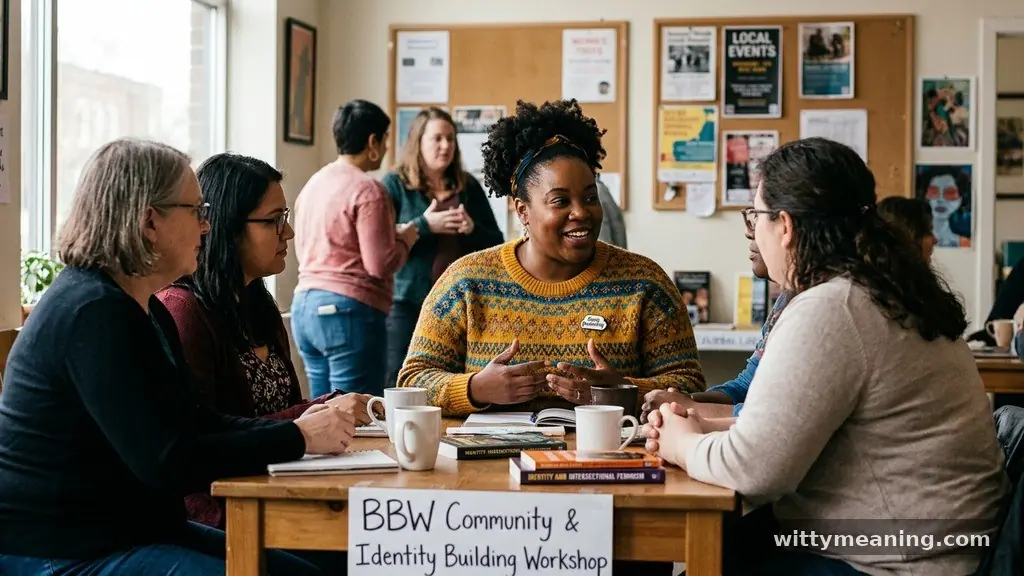
For many, the term serves as a gateway to finding a supportive community. Online forums, social media groups, and local meetups provide a place for individuals to share their struggles and successes. This sense of shared experience is vital for mental health, especially in a world that often demands conformity to rigid beauty standards.
Building these networks allows for the sharing of resources, from clothing recommendations to advice on dealing with medical bias. The community essentially acts as a support system, reinforcing the idea that self-love is a radical act in a society that benefits from our insecurity. It turns a solitary struggle into a collective effort to shift societal perceptions.
Addressing Common Misconceptions
There is often confusion between the various acronyms used to describe body sizes, such as BHM (Big Handsome Man) or SSBBW (Super Sized Big Beautiful Woman). These terms are not interchangeable; they reflect distinct, albeit related, communities. Misunderstandings often stem from a lack of exposure to these subcultures, leading to inaccurate assumptions about what the labels imply.
One common myth is that these labels are inherently sexual. While they are used in dating, they are also used as neutral descriptors of identity and body type.
Separating the sexualized usage from the identity-based usage is crucial for a complete understanding of the terminology. Clarity in communication helps reduce the friction that arises when different groups interact.
| Term | Primary Context | Focus |
|---|---|---|
| BBW | General/Dating | Celebration of plus-size women |
| SSBBW | Niche Community | Greater weight/size diversity |
| BHM | General/Dating | Celebration of plus-size men |
The Impact of Mainstream Media
Mainstream media has a checkered history when it comes to representing diverse body types. For years, characters who were not thin were relegated to comedic relief or portrayed as tragic figures.
The push for better representation has forced a reckoning within film, television, and advertising. We are finally seeing more nuanced portrayals where weight is just one aspect of a character’s life, rather than the defining feature of their personality.
This progress, while slow, is tangible. When media reflects the reality of the world—which includes a vast diversity of shapes and sizes—it validates the lived experiences of viewers. It creates a space where everyone can see themselves reflected on screen, which is essential for fostering a culture of acceptance and reducing the impact of negative social conditioning.
Resources and Further Learning
For those looking to understand the history of this movement, looking into the archives of the National Association to Advance Fat Acceptance provides significant context on the legal and social battles fought over the decades. These organizations have been at the forefront of policy changes regarding weight discrimination. Engaging with such resources allows for a deeper appreciation of the work done by activists who paved the way for current conversations.
- Researching historical advocacy groups to understand the legislative history of weight discrimination.
- Following diverse creators who prioritize body autonomy in their content.
- Supporting brands that offer inclusive sizing and avoid exploitative marketing.
- Participating in local or online discussions that prioritize respectful, nuanced dialogue.
FAQ Section
What does BBW stand for in a social context?
The acronym stands for “Big Beautiful Woman.” It is primarily used as a term of endearment and a self-identifier for women who are plus-sized, aiming to challenge negative stereotypes and promote body positivity by framing larger body types as attractive and worthy of respect.
Is the term considered offensive by everyone?
Usage is subjective. While many within the community embrace the label as empowering and a way to build connections, others may find it reductive or prefer different terminology. It is best to respect an individual’s personal preference for how they describe their own body and identity.
How does this term relate to the fat acceptance movement?
It is closely linked, as both share the goal of dismantling systemic weight bias. While the movement focuses on policy and societal change, the term acts as a cultural identifier that fosters community and personal pride, helping individuals navigate a world that often stigmatizes their physical appearance.
Does using these labels promote unhealthy lifestyles?
Most proponents argue that labels promote body autonomy and self-acceptance, which are essential for mental health. They emphasize that judging someone’s health based solely on their size is scientifically flawed and contributes to the social stigma that prevents people from seeking appropriate, respectful medical care.
Conclusion
The evolution of the BBW meaning reflects a broader societal shift toward acknowledging the value of all bodies. What started as a niche label has grown into a significant part of the conversation surrounding diversity and self-acceptance. By moving past the initial surface-level definition, we can see the vital role these terms play in providing community and visibility for those who have historically been sidelined by mainstream beauty standards.
Continuing the conversation requires an open mind and a commitment to respecting personal autonomy. Whether you are part of the community or an ally, the goal remains the same: creating a world where every person feels comfortable in their own skin.
As we continue to challenge the status quo, the importance of inclusive language and genuine representation will only grow. Feel free to join the ongoing dialogue and share your own perspectives on how we can continue to foster a more inclusive society for everyone.