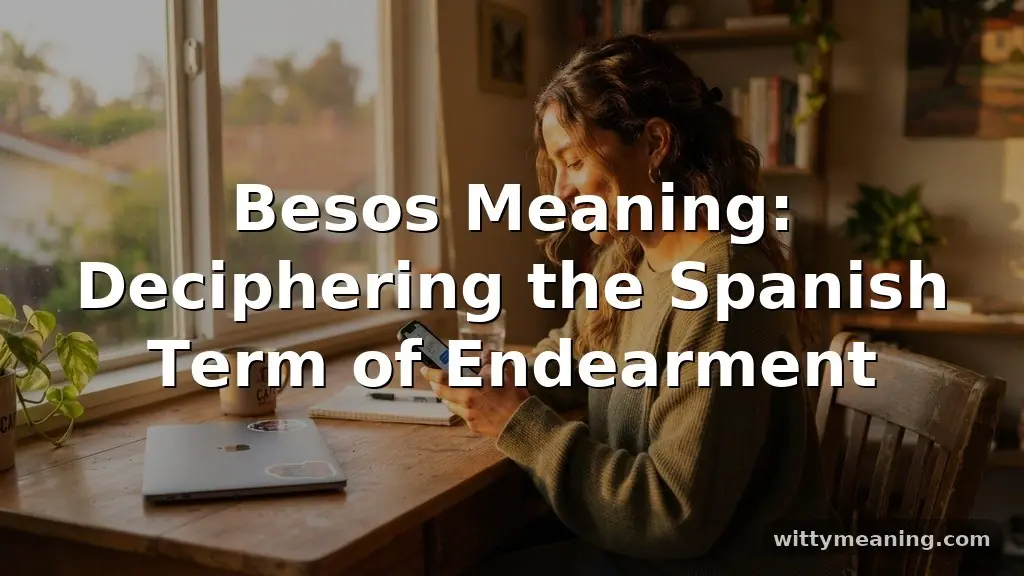

The term “besos” is a cornerstone of daily communication across the Spanish-speaking world, functioning as a versatile expression that transcends simple translation. At its core, the besos meaning is quite literal—it translates directly to “kisses” in English—yet its application in real-world dialogue is far more nuanced.
Depending on the sender, the recipient, and the medium of communication, this word can shift from a polite, platonic sign-off to a deeply flirtatious or romantic gesture. Understanding how to navigate these linguistic waters is essential for anyone looking to engage authentically within Latin American culture or communicate effectively with Spanish speakers in digital spaces.
Because language is never static, the way people use “besos” has evolved alongside the rise of social media slang and text messaging etiquette. While it retains its roots in the Spanish language, it has become a global shorthand for warmth and connection.
Whether you are reading a message from a new acquaintance or navigating the complexities of interpersonal relationships, grasping the intent behind this word requires an appreciation for both its literal definition and the subtle linguistic nuances that dictate its appropriate usage. This article delves into the cultural, social, and emotional layers that define how this simple word functions in modern life.
The Linguistic Roots and Literal Translation
The word “besos” is the plural form of the Spanish noun “beso,” which translates to “kiss.” Grammatically, it is a straightforward noun, but its usage as a stand-alone term in correspondence elevates it to a performative act.
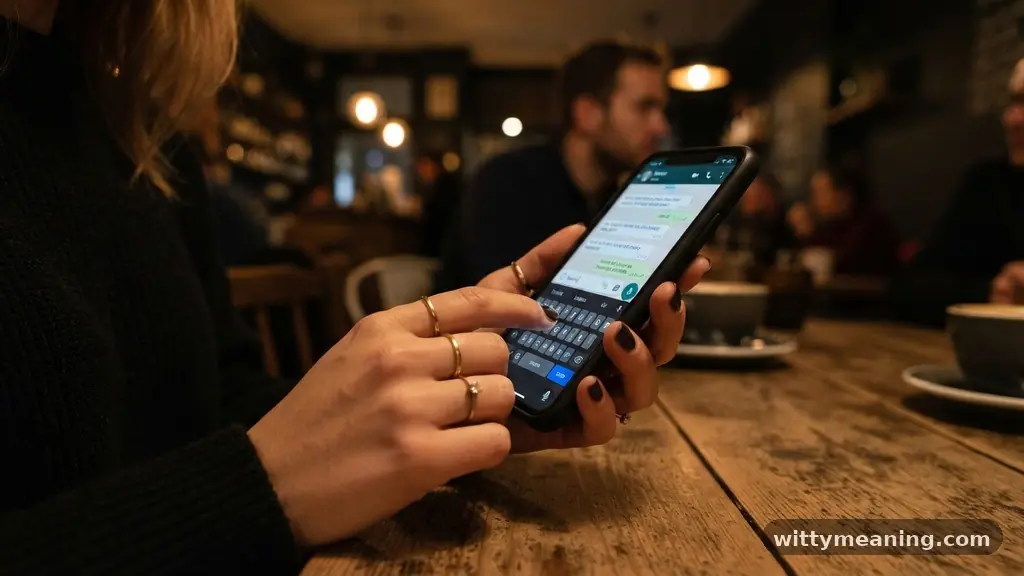
When someone writes “besos” at the end of an email or a text, they are figuratively sending a physical gesture through a digital medium. This is a common feature in the Spanish language, where the brevity of the word allows for a quick, rhythmic punctuation to a conversation.
In the context of Spanish-to-English translation, “besos” is often equated to the English “kisses” or “xoxo.” However, the cultural weight of the term is arguably heavier in Spanish-speaking regions. In many Latin American cultures, physical affection—including cheek kissing—is a standard social greeting, even among acquaintances.
Consequently, the digital equivalent carries this expectation of warmth. When you receive a message ending in “besos,” it is rarely a formal or cold interaction; the sender is consciously choosing to bridge the gap between professional distance and personal familiarity. By using this term, the speaker is invoking a tradition of warmth that defines cross-cultural communication and social bonding, ensuring that even in a text-based format, the human element of the interaction remains at the forefront of the exchange.
Navigating Platonic vs. Romantic Intent
One of the most common questions regarding the besos meaning involves determining the level of intimacy behind the word. Is it a flirtatious overture, or is it merely a friendly closing? The answer lies almost entirely in the cultural context and the existing relationship between the parties involved.
In many Spanish-speaking countries, “besos” is frequently used as a standard, platonic greeting or sign-off between friends, family members, and even colleagues who share a cordial relationship. It functions similarly to “best” or “warm regards” in English, but with significantly more emotional resonance.
However, the line between friendly and romantic can blur quickly. When the term is used in intimate relationships, it carries a much heavier weight. If a person uses “besos” in a one-on-one conversation with someone they are dating or interested in, the flirtatious intent becomes much clearer.
The key indicators of intent usually include the frequency of the word, the inclusion of emojis, and the overall tone of the message. If the term is accompanied by heart emojis, winking faces, or is used in a late-night text, the romantic gesture is likely intentional. Conversely, if it is used in a group chat or as a standard sign-off in a long-standing friendship, it is almost certainly a platonic term of endearment meant to convey general affection rather than a specific romantic pursuit.
Digital Correspondence and Text Messaging Etiquette
In the realm of digital correspondence, “besos” acts as a shorthand for emotional expression. In an age where text messages are often stripped of tone, body language, and vocal inflection, words like “besos” serve as vital tools for non-verbal communication.
By adding this word to the end of a message, the sender is effectively “softening” the text, ensuring that the recipient does not interpret the message as being overly blunt or detached. This is particularly important in casual conversation, where the speed of typing can sometimes lead to misunderstandings.
When utilizing “besos” in text messages, consider the following etiquette guidelines:
- Context is everything: Use it primarily with people you know well or with whom you have established a friendly rapport.
- Frequency matters: Using it in every single message can sometimes dilute its impact or make it seem like a repetitive habit rather than a heartfelt sentiment.
- Pairing with emojis: Adding a kissy-face emoji or a heart emoji can clarify that you are using the term in a lighthearted or affectionate way, reducing the risk of being misinterpreted.
- Professional boundaries: Avoid using “besos” in formal business emails unless you are writing to a long-term professional contact with whom you have developed a personal friendship.
By adhering to these subtle cues, you can use the term effectively without accidentally crossing social boundaries or miscommunicating your level of attachment to the recipient.
Common Variations: Mucho Besos and Dame un Beso
To truly master the besos meaning, one must understand the common phrases that accompany it. Two of the most prevalent variations are “Mucho besos” and “Dame un beso.” Each phrase carries a distinct social weight and is used in different scenarios to convey varying levels of affectionate sign-off or request.
“Mucho besos” (often written as “muchos besos” for proper grammar) translates to “many kisses.” This is an intensification of the standard “besos.” It is used when the sender wants to express a higher degree of warmth, gratitude, or excitement.
It is common to see this used between close friends or family members who haven’t seen each other in a long time. It feels more substantial and enthusiastic, serving as a powerful sign-off that leaves the recipient feeling valued and cared for.
“Dame un beso,” on the other hand, translates to “give me a kiss.” This phrase is significantly more direct and carries a much stronger flirtatious intent. It is rarely used in a platonic sense and is almost exclusively reserved for intimate relationships or situations where there is a clear, established romantic tension.
Using this phrase with a casual acquaintance or a professional contact would be highly inappropriate and likely interpreted as an unwanted advance. Understanding the difference between these phrases is crucial for maintaining healthy and clear interpersonal relationships.
Comparative Usage of Affectionate Terms

The following table highlights how “besos” compares to other common Spanish terms of endearment, helping you gauge the level of intimacy required for each.
| Term | Literal Meaning | Primary Usage | Intimacy Level |
|---|---|---|---|
| Besos | Kisses | Friendly/Affectionate | Moderate |
| Muchos besos | Many kisses | Warm/Enthusiastic | Moderate to High |
| Dame un beso | Give me a kiss | Romantic/Direct | High |
| Un abrazo | A hug | Platonic/Comforting | Low to Moderate |
As demonstrated, the choice of terminology acts as a dial for the level of intimacy you wish to project. While “un abrazo” is a safe, neutral choice for almost any situation, “besos” requires a slightly higher degree of familiarity to avoid sounding overly forward in a professional or casual setting.
Cultural Context in Latin American Society
The besos meaning cannot be fully separated from the broader cultural context of the Spanish-speaking world. In many countries, particularly in Latin America, social interaction is characterized by a high degree of physical warmth.
It is entirely normal for people meeting for the first time to exchange a kiss on the cheek. This cultural norm bleeds into digital communication, making the use of “besos” in texts and emails feel much more natural and less “loaded” than it might in more reserved cultures.
When navigating these interactions, it is important to remember that the Spanish language is inherently expressive. The use of terms like “besos” is simply a way of maintaining that expressive spirit in a medium that is otherwise quite rigid. For those coming from cultures where digital communication is kept strictly professional or distant, the frequent use of “besos” might feel overwhelming or confusing.
However, it is essential to view this through the lens of the sender’s cultural background. For them, it is not a grand romantic gesture, but rather a standard, polite, and friendly way to maintain human connection in a digital world. By embracing this cultural perspective, you can participate in these exchanges with confidence and ease.
Addressing Topical Gaps: The Gender and Age Factor
While much of the existing content regarding the besos meaning focuses on the romantic aspect, there is a significant gap in discussing how age and gender influence its usage. In practice, the use of “besos” is often more common among women and younger generations.
Younger speakers, who are more accustomed to the fluidity of social media slang, tend to use “besos” with greater frequency and in a wider variety of contexts. It is not uncommon to see younger friends using it to end a casual chat about plans, regardless of gender.
Conversely, among older generations or in more traditional social circles, the use of “besos” may be reserved for closer family members or long-term romantic partners. A man using “besos” to sign off an email to a male colleague might be viewed as unusual or overly intimate in some traditional circles, whereas in a younger, more modern social group, it might be seen as perfectly acceptable, friendly, or even just a quirk of their personal texting style. Understanding these generational and social shifts is key to filling the gaps in your knowledge.
It is not just about what the word means, but who is saying it and to whom. When in doubt, observing the communication patterns of your peer group will provide the best indicator of whether “besos” is an appropriate term to include in your own digital messages.
The Role of Intent in Non-Verbal Communication
Because “besos” is a word that describes an action, it inherently functions as a form of non-verbal communication transmitted via text. When you type “besos,” you are attempting to project a physical action—a kiss—into the recipient’s space. This is why the intent of the sender is the most critical variable.
If the intent is to comfort, the word acts as a digital hug. If the intent is to flirt, it acts as a digital touch. If the intent is to be polite, it acts as a digital handshake.
Effective communication requires the recipient to decode this intent accurately. If you are ever unsure about the besos meaning in a message you have received, the best approach is to look at the other indicators in the text. Is the conversation generally professional?
Is it a quick, one-off message? Or is it part of a long, flowing dialogue where you share personal stories? These clues will almost always reveal the underlying motivation.
If someone signs off with “besos” after a long conversation about your day, it is a sign of genuine care and connection. If it is attached to a cold, one-word response, it might be a social habit or a sign that the person is attempting to be polite despite being rushed.
FAQ: Common Queries Regarding Besos
Is it appropriate to use besos with a new friend?
Using “besos” with a new friend depends on the vibe of your relationship. If you have been messaging frequently and have a warm, friendly rapport, it is generally acceptable. However, if you have only just met, it might be safer to stick to a friendly “un abrazo” or a simple “saludos” until you feel that the friendship has deepened.
Can a guy say besos to another guy?
Yes, it is possible, but it depends heavily on the culture and the individuals involved. In many modern, younger social circles, it is common to use “besos” as a sign of close friendship between men. In more conservative or traditional settings, it might be seen as less common, so gauge the comfort level of the person you are communicating with first.
How do I respond if someone sends me besos?
You should respond in a way that matches the sender’s energy. If they are a close friend or partner and you feel the same way, you can mirror them with a “besos” or a “muchos besos” in return. If you want to keep the conversation more platonic or professional, you can simply acknowledge the message with a friendly response or a neutral sign-off like “gracias” or “un abrazo.”
Does besos mean I am being flirted with?
Not necessarily. While it can be a flirtatious gesture, it is very often used as a platonic term of endearment in Latin American culture.
Look for other signs of flirtation, such as emojis, the timing of the message, and the overall content. If the conversation is purely platonic or professional, it is likely just a friendly sign-off.
Conclusion
The besos meaning is a multifaceted concept that reflects the warmth and expressive nature of the Spanish language. While its literal definition—”kisses”—is simple enough, its application in everyday life is shaped by the complex interplay of cultural context, individual relationships, and the evolving rules of digital correspondence. By understanding when and how to use this term, you can navigate interpersonal relationships with greater emotional intelligence and cultural sensitivity.
Whether you are using it as a simple platonic greeting between friends or a more intimate expression of affection, the key is to remain mindful of the linguistic nuances at play. Remember that “besos” is a bridge; it connects the sender and the recipient across the distance of a screen, injecting a touch of humanity into the digital void. Use it with care, acknowledge the intent behind the words you receive, and you will find that it is a powerful, versatile tool for building and maintaining meaningful connections in our increasingly globalized world.