
The term “chungus” has become a staple of modern digital parlance, representing a fascinating case study in how arbitrary words evolve into complex symbols within the landscape of internet culture. At its core, the chungus meaning is inextricably linked to the concept of absurdity and the subversion of classic media icons.
While it may appear as mere nonsense to the uninitiated, the term functions as a highly specific pop culture reference that bridges the gap between vintage animation and contemporary ironic humor. To understand why a word with no formal dictionary definition has captured the collective attention of millions, one must examine the intersection of meme culture, visual distortion, and the rapid-fire nature of online communication.
The Genesis of Big Chungus and Its Animation Roots
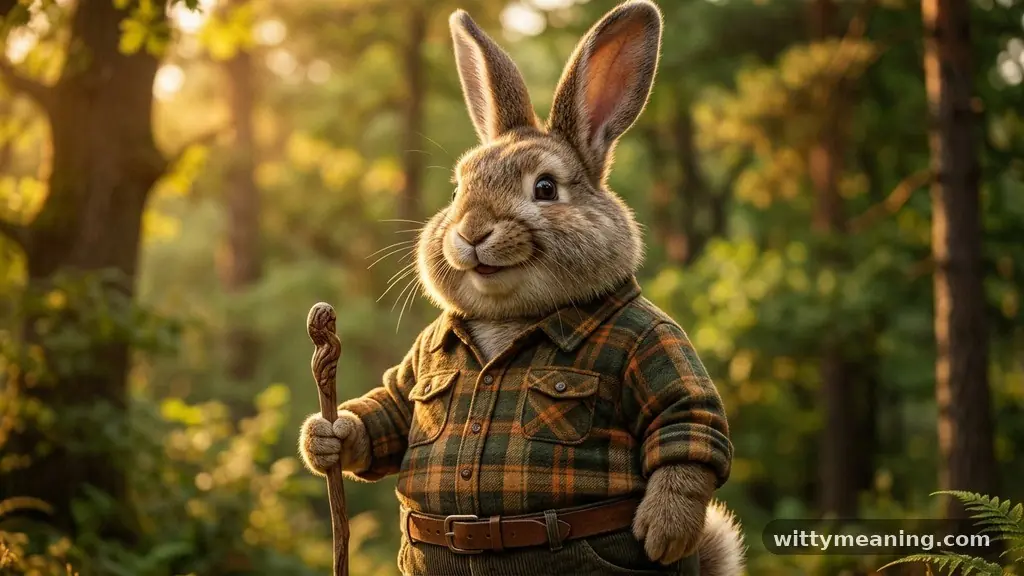
The foundational chungus meaning is rooted in a specific frame from the 1941 Looney Tunes short, “Wabbit Twouble.” In this cartoon, the iconic Bugs Bunny character adopts a rotund, overweight persona to mock the antagonist, Elmer Fudd.
This moment of character transformation, where the usually lithe rabbit becomes an exaggerated, heavy-set version of himself, serves as the primary visual source for the meme. Decades after its initial broadcast, this specific image macro was resurrected by online communities who found the juxtaposition of a classic, beloved character with an unflattering, distorted body type to be inherently comedic.
The transition of this image into a viral internet phenomenon highlights the power of visual recontextualization. When users began labeling this fat Bugs Bunny as “Big Chungus,” they were not merely describing a character; they were creating a new, malleable entity that could be projected onto various situations.
The term itself is a portmanteau—or perhaps a completely invented linguistic artifact—that sounds phonetically heavy, mirroring the physical nature of the character it describes. By attaching a nonsensical, rhythmic name to a distorted image, creators tapped into the specific brand of humor that thrives on platforms like Reddit and 4chan, where the incongruity between the original source material and the new, bizarre moniker creates a sense of detachment that defines much of modern digital communication.
Decoding the Linguistic Evolution of Chungus
Linguistically, the chungus meaning is fluid, shifting depending on the context in which it is deployed. While it started as a literal descriptor for the oversized rabbit, it quickly morphed into a piece of digital slang used to describe anything large, cumbersome, or comically out of place.
This evolution is typical of internet-born terminology, where a word gains value through repetition and shared acknowledgment rather than formal definition. In the early stages of its spread, the term was often used as a form of shitposting, a practice where users flood forums with low-effort or intentionally confusing content to disrupt standard conversation flows.
As the term moved from niche forums to mainstream social media, its usage became more ironic. It began to signify a state of being—a “Chungus life,” if you will—which implies a sense of chaotic, unbothered existence. This shift demonstrates how meme evolution functions: a term loses its original, specific referent and becomes a vessel for a broader sentiment.
Whether someone is using it to describe a chunky pet, a massive software file, or a confusing situation, the essence of the word remains grounded in that initial feeling of “over-the-top” excess. It is a linguistic marker of the gaming community and online youth, signaling a shared familiarity with the obscure history of 20th-century animation and the specific, often cynical, tone of current internet discourse.
The Role of Irony and Surrealism in Meme Culture
To fully grasp the chungus meaning, one must appreciate the role of surreal humor in the digital age. Much of the content that goes viral today relies on the audience’s ability to recognize the absurdity of the premise. Big Chungus is not funny because it is a clever pun or a witty observation; it is funny precisely because it makes no sense.
The humor is derived from the fact that a large, distorted rabbit has become a symbol of reverence—or, more accurately, a symbol of mock-reverence—within the depths of the internet. This is the essence of ironic humor: the intentional elevation of the mundane or the bizarre to a status of high importance.
This phenomenon is reflected in how the character is treated on platforms like Know Your Meme, where the history of the image is cataloged with the same seriousness as major historical events. By treating the character as a cultural icon, users participate in a collective, performative joke. The video game aesthetic that often accompanies these memes—frequently featuring low-resolution edits, deep-fried filters, or 8-bit sound effects—further reinforces the sense of detachment.
The character is no longer Bugs Bunny; it is a meme template, a tool for expression that relies on the viewer’s prior knowledge of the internet’s internal logic. This creates a gatekeeping effect, where understanding the term grants the user entry into a specific, irony-poisoned social circle.
Comparing Internet Slang Categories
To understand where “chungus” fits into the broader lexicon, it is helpful to categorize it alongside other popular internet phenomena. The following table illustrates how different types of memes function within the digital space, highlighting why the chungus meaning remains so distinct.
| Meme Category | Primary Function | Example/Reference |
|---|---|---|
| Reactionary | Expressing immediate emotion | Distracted Boyfriend |
| Absurdist/Surreal | Creating confusion or irony | Big Chungus |
| Nostalgia-driven | Reviving old pop culture | Looney Tunes edits |
| Linguistic/Slang | Defining a new way to speak | Yeet, Cap, Chungus |
As shown above, while many memes serve a clear, communicative purpose, the chungus meaning occupies a space between surrealism and linguistic innovation. It acts as a bridge between the physical, animated past and the abstract, digital future. It is not designed to convey information; it is designed to evoke a reaction, often one of bemusement or recognition.
The Psychological Appeal of Character Distortion
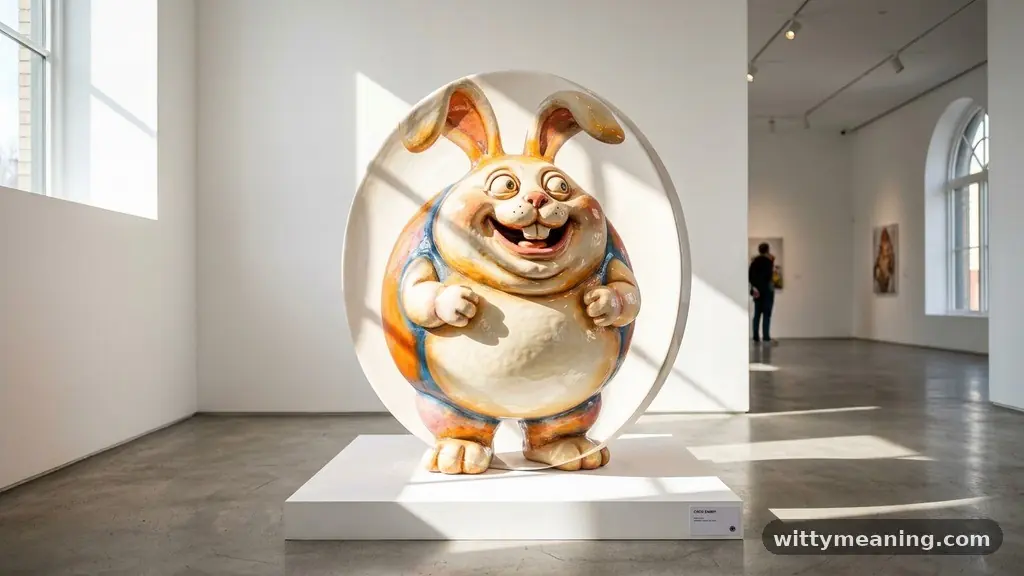
The visual aspect of the meme, characterized by character distortion, is a major factor in its longevity. Human brains are naturally drawn to patterns, and when those patterns are broken—such as seeing a familiar character like Bugs Bunny morphed into a grotesque, circular shape—the result is an immediate, visceral reaction. This is a common trope in animation, often used to express extreme emotion or physical impact.
However, when applied to a static image, it becomes a piece of satirical internet slang. By distorting the proportions of a character, the creator strips away the original context of the show and replaces it with a new, simplified, and often humorous reality.
This appeal also stems from the “uncanny valley” effect, where something that is almost recognizable but fundamentally “off” becomes deeply engaging. Users are not just looking at a rabbit; they are looking at a subversion of their childhood memories.
This makes the meme particularly potent for younger generations who grew up with these characters but are now interacting with them through the lens of adult irony. The chungus meaning thus serves as a psychological anchor, grounding the absurdity of the internet in the familiar, comforting iconography of the past, even while that iconography is being fundamentally altered.
Topical Gaps: Addressing Common Misconceptions
A common point of confusion regarding the chungus meaning is the assumption that it was a deliberate, planned marketing campaign. In reality, the meme’s rise was entirely organic, driven by the decentralized nature of social media.
Another gap in public understanding is the distinction between “Big Chungus” as a specific meme and “chungus” as a general descriptor. Many users believe they are the same, but the latter has evolved into a standalone adjective, often used to describe anything that is comically oversized.
Furthermore, there is a recurring question regarding whether the term is offensive. In most contexts, it is not. It is generally used in a lighthearted, self-deprecating, or purely nonsensical manner.
However, like any piece of viral internet phenomenon, it can be co-opted for different purposes depending on the community. It is crucial to view the term through the lens of its origin: a silly, harmless cartoon edit that exploded because of its sheer, unadulterated absurdity. By clarifying these points, we can better understand that the term is not a static definition but a living, breathing component of modern digital dialect.
The Role of Community Platforms in Meme Distribution
The spread of the chungus meaning would have been impossible without the ecosystem of modern social media. Platforms like Reddit and TikTok act as incubators for these ideas, where they are tested, refined, and eventually adopted by the masses. The process typically follows a specific lifecycle:
- Initial discovery: An obscure image or video is shared in a niche community.
- Remixing: Users begin to edit the image, adding text, filters, or animations to alter the original context.
- Mainstream adoption: The meme jumps from niche forums to broader platforms like Twitter or Instagram.
- Saturation: The term becomes widely recognized but begins to lose its original “edgy” or niche appeal.
- Legacy status: The meme is remembered as a cultural touchstone of a specific time period.
This lifecycle is essential to the chungus meaning.
It shows that the term is not just about the character; it is about the community that decided to make him a star. The engagement metrics—likes, shares, and comments—act as a form of social currency, validating the meme and ensuring its survival in the fast-paced digital environment.
The Influence of Gaming and Internet Subcultures
Within the gaming community, the term has taken on a life of its own. It is common to see players name their custom characters “Chungus” or refer to large in-game assets with the same label.
This usage bridges the gap between the meme and the video game aesthetic, where size and weight often carry specific gameplay implications. By applying the term to their own digital avatars, players are signaling their membership in a specific subculture that values humor, irony, and the subversion of traditional gaming tropes.
This influence extends to the way games are marketed and discussed. Developers are often aware of these trends and may include “Easter eggs” or references to popular memes to foster a sense of community with their player base.
When a developer acknowledges the chungus meaning in their game, it creates a feedback loop that further cements the term in the cultural consciousness. This intersection of gaming and meme culture is a testament to how fluid the boundaries between different forms of media have become, with digital slang acting as the common language that ties them all together.
The Future of Digital Slang and Cultural Shifts
As we look toward the future, it is clear that terms like “chungus” are part of a larger, ongoing shift in how we communicate. The chungus meaning is a prime example of how the internet accelerates the lifecycle of language, turning fleeting thoughts into enduring cultural references.
While the specific popularity of the Big Chungus meme may wax and wane, the mechanism behind it—the use of irony, visual distortion, and community-driven humor—is here to stay. We are moving toward a future where language is increasingly visual and context-dependent, relying on shared knowledge of digital history to convey meaning.
Understanding this trajectory is essential for anyone looking to navigate the modern digital landscape. Whether you are a content creator, a marketer, or simply a casual observer, recognizing the patterns of meme evolution can provide valuable insights into how information spreads and how communities form. The term may seem like a joke today, but it is a foundational block of the internet’s evolving vocabulary, proving that even the most nonsensical ideas can leave a lasting mark on our cultural consciousness.
Frequently Asked Questions
What is the origin of the term Chungus?
The term originated from a 1941 Looney Tunes cartoon, “Wabbit Twouble,” featuring a rotund version of Bugs Bunny. It was later popularized as an internet meme on platforms like Reddit and 4chan, where it became a symbol of surreal and ironic humor within digital subcultures.
Is the term Chungus considered offensive?
In most contexts, the term is not considered offensive. It is primarily used in a lighthearted, ironic, or nonsensical manner to describe things that are comically large or out of place. However, as with all internet slang, usage depends heavily on the specific community and the intended tone.
Why did Big Chungus become so popular?
The popularity of Big Chungus stems from the internet’s love for absurdist humor. By taking a recognizable childhood character and distorting his appearance, users created a “blank slate” meme that allowed for endless ironic reinterpretation, fitting perfectly into the culture of shitposting and visual irony.
How do people use the term in daily conversation?
Beyond the meme, “chungus” is often used as a playful, informal adjective to describe anything oversized or cumbersome. It is frequently seen in gaming communities, online forums, and social media comments as a way to inject a sense of irony or humor into a conversation.
Conclusion
The chungus meaning is more than just a definition; it is a reflection of the digital age’s unique approach to humor and communication. By transforming a brief moment from a 1941 cartoon into a viral internet phenomenon, online communities have demonstrated their ability to craft complex, layered, and highly ironic narratives out of the most unlikely materials.
Whether viewed through the lens of meme culture, character distortion, or simple digital slang, the term serves as a perfect example of how the internet creates its own internal logic. As we continue to navigate an increasingly interconnected world, the lessons learned from the rise of Big Chungus remind us that our shared language is constantly evolving, driven by the creativity and, at times, the pure, unadulterated absurdity of the global digital community.