


You have likely stumbled across the acronym “mbn” in your social media feeds or while scrolling through direct messages. If you were wondering about the mbn meaning, you are certainly not alone, as this piece of internet slang has become a staple of modern digital communication. At its core, the term serves as a shorthand for expressing a specific type of reaction to someone else’s life events, purchases, or general circumstances.
Whether you see it on TikTok, Instagram, or Snapchat, understanding how this phrase functions helps you better interpret the nuances of casual online exchanges. By digging into the origins and social context of this expression, you can better navigate the landscape of contemporary internet interactions.
The Core Definition of MBN

When you strip away the layers of digital shorthand, the mbn meaning is almost always “Must Be Nice.” It is a concise, three-letter acronym used primarily to express a feeling of envy, longing, or sometimes playful sarcasm regarding someone else’s situation.
When a person posts an image of a luxury vacation, a new car, or even just a particularly relaxing afternoon, an observer might comment with “mbn” to signal that they wish they were in the same position. It functions as a linguistic shortcut, allowing users to convey complex emotional states—ranging from genuine admiration to lighthearted jealousy—without typing out a full sentence.
This acronym thrives in environments where brevity is king. In spaces like Instagram comments or rapid-fire text messaging, users often prioritize speed over grammatical formality.
By typing “mbn,” a user acknowledges the content of a post while simultaneously highlighting the disparity between their own current state and the subject of the post. It is a quintessential example of how social media slang evolves to fill gaps in our digital vocabulary, turning a common phrase into a recognizable cultural marker.
Contextual Usage in Digital Communication
The way you use this term depends heavily on the specific relationship dynamics at play. If a close friend posts about a spontaneous trip to the beach, commenting “mbn” might be a way to tease them about their free time. In this context, it is often lighthearted and friendly.
However, if the term is used in a more public, less intimate setting, the tone can shift. It can occasionally carry a sharper edge of sarcasm, reflecting a deeper sense of jealousy or frustration. Understanding the intent behind the acronym requires you to read between the lines, as the brevity of the message can sometimes mask the true sentiment of the speaker.
Because it is so short, the acronym relies entirely on context. It is rarely used to start a conversation; rather, it is a reactive tool. You might see it appearing in the following scenarios:
- Underneath photos of expensive meals or luxury items.
- As a reply to someone posting about getting time off work.
- When a friend shows off a new purchase that the commenter has been wanting.
- In response to someone sharing a milestone or achievement that others desire.
The Role of Internet Culture in Language
Language is a living, breathing entity, and linguistic evolution is currently moving faster than ever due to the internet. Acronyms like this one are not just random collections of letters; they are specific responses to the pressures of social media. We live in an era of constant comparison, where the curated highlights of other people’s lives are always visible.
This environment naturally breeds a culture of comparison, and “mbn” is the linguistic byproduct of that reality. It is a way to acknowledge the “highlight reel” culture of platforms like Instagram and TikTok without having to write a long, thoughtful critique.
By turning a longer phrase into a simple, three-letter code, the internet has effectively democratized the expression of envy. It removes the social friction of having to admit you are jealous.
Instead of saying, “I am jealous of your vacation,” which can sound heavy or confrontational, saying “mbn” keeps the interaction casual and low-stakes. It is a brilliant, if accidental, solution to the social awkwardness of expressing desire for someone else’s assets or status.
Distinguishing Between Genuine Envy and Playful Teasing
One of the most challenging aspects of interpreting text messaging shorthand is the absence of tone. When you read a text, you lack the facial expressions and vocal inflections that define face-to-face communication. Consequently, “mbn” can be interpreted as either a genuine compliment or a snide remark, depending on your relationship with the sender.
If you have a history of banter with the person, you can safely assume the term is being used in a playful, teasing manner. It is a way to say, “I see you living your best life, and I am here for it—even if I am a bit envious.”
Conversely, in the comments section of a public post, the usage is often more ambiguous. When a stranger or an acquaintance uses the term, it is frequently meant to reflect a sense of FOMO (fear of missing out). It highlights the observer’s awareness of their own social status or position compared to the poster.
This distinction is vital for anyone trying to master the art of online etiquette. While it is rarely meant as an aggressive insult, it is almost always a commentary on the perceived gap in lifestyle or privilege between two people.
MBN in the Context of Social Media Trends
On platforms like TikTok, social media slang often gains momentum through viral trends. You might notice that certain phrases appear in waves, becoming popular for a few months before settling into the background of everyday speech.
The term “mbn” has successfully transitioned from niche internet subculture into a standard part of the modern digital lexicon. It is frequently used in captions or video comments to drive engagement, as it invites the original poster to respond, which boosts the visibility of the post within the platform’s algorithm.
This phenomenon illustrates how online interactions are designed to be brief and punchy. TikTok, in particular, rewards comments that are quick to read and easy to understand. By using an acronym, users can participate in a trend without putting much effort into their contribution.
It is a low-effort, high-reward way to engage with content. Over time, as more people use the term, its meaning becomes solidified, and it loses its status as “insider” slang, becoming instead a common tool for any user on the platform.
The Psychological Underpinnings of the Acronym
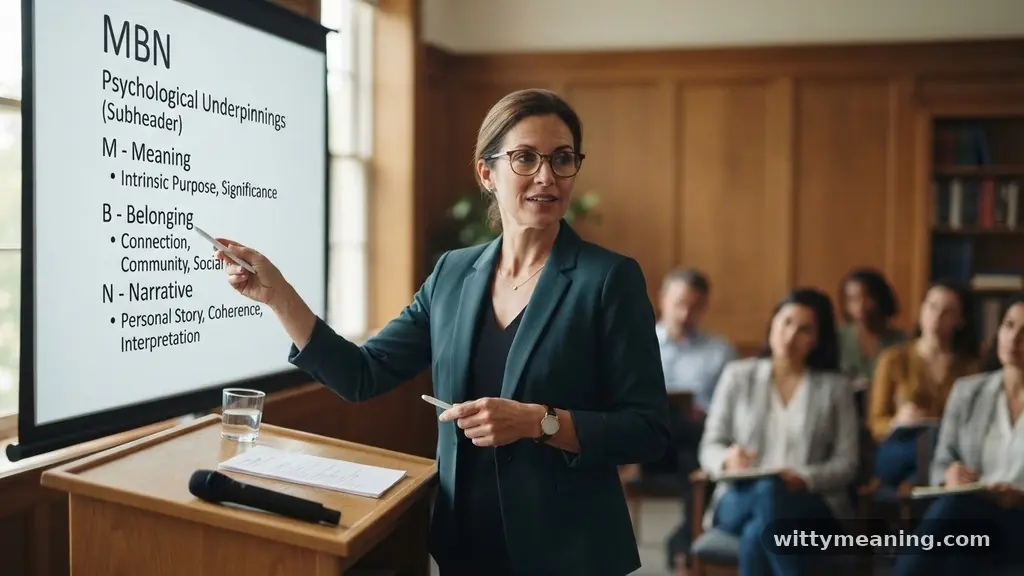
Why do we feel the need to comment “mbn” in the first place? At its heart, the term is a response to the curated nature of our digital lives. When we see someone flaunting a lifestyle that seems unattainable, it triggers a natural human response of comparison.
According to research on the impact of social media, constant exposure to others’ successes can lead to feelings of inadequacy or envy. You can learn more about how digital environments shape human perception by visiting the Pew Research Center’s Internet and Technology studies, which explore the broader effects of these tools on our daily lives.
The acronym acts as a pressure valve. It allows users to acknowledge their feelings of envy in a way that feels socially acceptable. By using a standardized, almost humorous term, the user converts their jealousy into a shared social moment.
It creates a sense of community around the feeling of being “on the outside looking in.” It is a way of saying, “We all know this is an enviable situation,” which validates the observer’s feelings while simultaneously acknowledging the poster’s success.
Comparing MBN to Other Common Acronyms
It is helpful to look at how this term fits into the wider ecosystem of acronyms used in daily messaging. Many of these terms serve similar functions—either to express emotion, provide status updates, or manage the flow of conversation. The following table highlights how this specific term compares to other popular pieces of internet slang that you likely encounter on a daily basis.
| Acronym | Meaning | Primary Context |
|---|---|---|
| MBN | Must Be Nice | Expressing envy or lighthearted jealousy |
| FOMO | Fear of Missing Out | Anxiety about being left out of events |
| ICYMI | In Case You Missed It | Providing updates or sharing old content |
| TBH | To Be Honest | Introducing an opinion or a confession |
As the table demonstrates, each term occupies a specific niche. While “TBH” is used to provide clarity or sincerity, “MBN” is used to provide a specific emotional reaction.
Recognizing these patterns allows you to decode messages much faster, ensuring you are never left wondering what a sender is trying to convey. It is all about understanding the intent behind the shorthand.
The Evolution of Linguistic Shortening
The history of text speak is fascinating, moving from the T9 keyboard limitations of early mobile phones to the hyper-fast messaging of today’s apps. In the early 2000s, characters were expensive and keyboards were difficult, so shortening words was a necessity.
Today, even though we have full QWERTY keyboards and unlimited character counts, the habit of shortening language remains. It has become a stylistic choice—a way to signal that you are “in the know” regarding current trends and internet culture.
“Mbn” is a perfect example of this. It is not about saving space; it is about maintaining a specific tone. Using the full phrase “It must be nice” sounds formal, slightly passive-aggressive, or overly serious.
Using “mbn” makes the sentiment feel casual, breezy, and detached. This shift shows how linguistic evolution is driven by the desire to strike the right tone in a digital environment where the stakes are often perceived as very low, even when the emotions are genuine.
Addressing Misconceptions and Alternative Meanings
While the primary mbn meaning is “Must Be Nice,” it is important to be aware that language can be fluid. In some very specific, niche, or professional contexts, abbreviations might be repurposed.
For instance, in certain medical or business documents, an acronym might stand for a specific condition or organization, but these are almost never the intended meanings in the context of messaging apps or social media. If you see “mbn” in a casual conversation, the probability that it means anything other than “Must Be Nice” is extremely low.
It is also worth noting that some users might confuse it with other similarly structured acronyms like “mbm” (often a typo) or “mbd.” However, these are rarely used with the same frequency or consistency as the one we are discussing. If you are ever unsure, the best approach is to look at the surrounding text.
The context will almost always provide the necessary clues to decipher the message. If the person is reacting to a photo of someone on vacation, they definitely mean “Must Be Nice.”
Topical Gaps: Is MBN Ever Negative?
A common question is whether the term is inherently negative. The answer is nuanced. While it is rooted in envy, it is not necessarily “mean.”
It is a way to express a feeling that is human and universal. When you see a friend get a promotion, thinking “must be nice” is a natural reaction.
Expressing it via “mbn” is simply a way to voice that thought. The negativity only arises if the user is intentionally trying to diminish the other person’s achievement.
If you are the one receiving the message, do not take it to heart. Most of the time, the sender is just projecting their own desires rather than attacking your success.
It is a reflection of their current headspace, not a judgment on your character or your accomplishments. Viewing it through this lens can help you maintain a positive outlook on your online interactions and prevent unnecessary friction in your digital relationships.
Frequently Asked Questions
What does mbn mean in texting?
In the context of text messaging, mbn is an acronym for “Must Be Nice.” It is typically used as a reaction to something positive happening in the other person’s life, such as a vacation, a new purchase, or a relaxing activity, signaling a mix of admiration and mild envy.
Is mbn only used for jealousy?
Not necessarily. While it usually stems from envy, it is often used in a playful or sarcastic way between friends. It can be a lighthearted way to tease someone for having a good time or getting a lucky break without being genuinely bitter or aggressive.
Can mbn have other meanings?
While “Must Be Nice” is the standard internet definition, acronyms can occasionally overlap. However, in any casual social media or messaging context, you can safely assume it refers to that specific phrase. Other potential meanings are usually niche, professional, or simply typographical errors in common usage.
How should I respond to someone who sends mbn?
If you receive an “mbn” comment on your post, you can treat it as a lighthearted remark. A simple laughing emoji, a “haha,” or a playful comment acknowledging the situation is usually sufficient. It is a casual interaction, so there is no need to read too deeply into the sender’s intent.
Conclusion
Understanding the mbn meaning is a small but useful part of mastering modern digital communication. As we have explored, the term is a versatile piece of social media slang that captures the complex mix of admiration, envy, and sarcasm that defines so much of our online life. By recognizing it as a tool for navigating the “highlight reel” culture of platforms like Instagram and TikTok, you can better interpret the messages you receive and maintain a healthy perspective on your own digital interactions.
Whether you choose to use it yourself or simply want to understand your feed better, knowing the context behind this acronym helps you stay connected and informed. Keep observing how language evolves, and you will find that these small abbreviations offer a fascinating window into how we all relate to one another in the digital age.