

When you see a message pop up on your screen with the letters “hru,” you are likely witnessing the shorthand version of a simple, classic inquiry. This specific acronym is a staple of digital communication, designed to strip away the formality of traditional grammar in favor of speed and efficiency. Whether you are catching up with a friend or navigating the nuances of a new connection, knowing the hru meaning helps you decode the rhythm of modern text messaging shorthand.
Beyond the digital realm, however, these three letters carry an entirely different, life-saving weight in the maritime industry. Understanding both contexts ensures you aren’t left guessing during a conversation or, in more serious scenarios, a safety inspection.
Decoding the Texting Shorthand

In the world of instant messaging and casual social media slang, the hru meaning is straightforward: it stands for “how are you.” This acronym emerged as internet culture prioritized brevity, allowing users to initiate a conversation without typing out every single character. It functions as a low-pressure social lubricant, serving as a quick check-in that doesn’t necessarily demand a long, philosophical answer.
Because it is so brief, it can sometimes come across as lazy or overly casual, depending on the recipient. When someone sends you “hru,” they are usually keeping things light.
It’s a way to break the ice without committing to a heavy dialogue right out of the gate. Recognizing this as a standard greeting helps you avoid overthinking the lack of punctuation or formal sentence structure.
Context Matters in Digital Conversations
The way you interpret this abbreviation often depends on your relationship with the sender. If you receive it from a close friend, it is just a routine, low-stakes greeting.
However, when texting from a crush or a new acquaintance, the hru meaning can feel like a test of your engagement levels. It’s a conversational opening that puts the ball in your court, inviting you to share as much or as little as you like.
If you find yourself on the receiving end of these messages, your reply strategy should match the energy of the sender. A simple “I’m good, hbu?” is the standard return volley.
If you want to move past the surface level, you can use the prompt as a springboard for a deeper discussion by sharing a specific detail about your day. This helps transform a generic inquiry into a genuine interaction.
The Maritime Reality of HRU
While the texting acronym is ubiquitous, the maritime industry uses the same letters to describe a critical piece of hardware known as a hydrostatic release unit. This is not a greeting, but a piece of survival gear designed to save lives during a ship emergency. A hydrostatic release unit is a mechanism that automatically releases a life raft or an EPIRB when a vessel sinks.
These devices are essential for maritime safety and are strictly regulated under the International Convention for the Safety of Life at Sea, often referred to as the SOLAS convention. Because they are designed to function deep underwater, they don’t rely on electricity or manual intervention. Instead, they use water pressure to trigger a knife or a release mechanism, ensuring that life-saving appliances float to the surface even if the crew doesn’t have time to deploy them manually.
How Hydrostatic Release Units Work
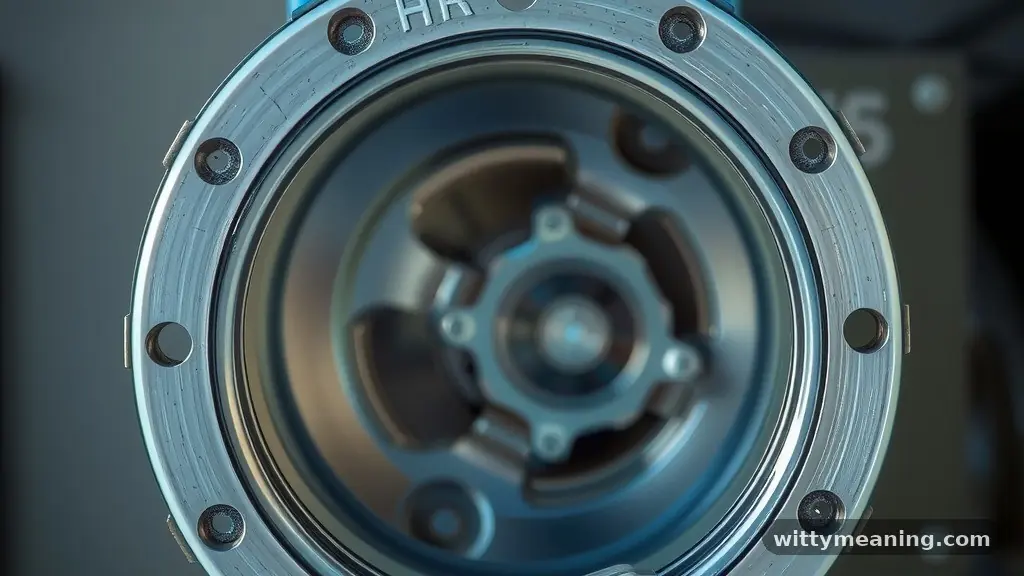
The physics behind a hydrostatic release unit is remarkably reliable. These units are calibrated to trigger at a specific depth—typically between 1.5 and 4 meters. Once the ship sinks to that depth, the water pressure forces a diaphragm inside the unit to move, which in turn cuts the rope securing the life raft to the ship’s cradle.
This automatic deployment is a cornerstone of ship safety regulations. Without such devices, a sinking vessel could drag its life rafts down with it, leaving survivors without a means of escape. Manufacturers like Hammar and ACR Electronics have perfected these designs to ensure they remain functional for years, even in the harsh, corrosive environment of the open ocean.
Comparing Digital Slang and Maritime Hardware
To avoid confusion, it helps to look at how these two distinct concepts function in their respective environments. While one is a tool for social connection, the other is a tool for physical survival.
| Context | Primary Purpose | Environment | Key Characteristic |
|---|---|---|---|
| Digital Messaging | Casual check-in | Social media/Texting | Efficiency and brevity |
| Maritime Safety | Emergency deployment | Open ocean/Vessels | Reliability and mechanics |
Understanding these differences keeps you from looking confused if you ever see “HRU” mentioned in a technical manual or a shipping logistics report. While the acronym looks identical, the intention behind the usage is miles apart.
Life Raft Deployment and Safety
The integration of a hydrostatic release unit into a vessel’s safety plan is mandatory for most commercial and passenger ships. These units are part of a broader category of life-saving appliances that must be maintained and inspected regularly. If an HRU is past its expiration date, it must be replaced immediately, as the internal components can degrade over time due to salt exposure and UV radiation.
When a life raft is secured with an HRU, it is typically also connected to a weak link. This ensures that when the raft floats to the surface, the painter line—the rope used to inflate the raft—is pulled tight by the sinking vessel, triggering the inflation process. This seamless interplay between the HRU, the life raft, and the weak link is what makes modern survival gear so effective.
Addressing Common Misconceptions

A common point of confusion arises when people encounter the term in technical forums or social media comments. Users might assume a discussion about “replacing an HRU” refers to a social interaction, leading to humorous or awkward misunderstandings. It is important to look for context clues such as mentions of “depth,” “pressure,” “expiration,” or “vessel maintenance.”
If you are reading about distress signaling or maritime equipment, you can be certain the discussion is about hardware. Conversely, if you are reading about dating, friendship, or texting etiquette, the discussion is almost certainly about the shorthand for “how are you.” By paying attention to the surrounding terminology, you can easily determine which definition applies.
The Evolution of Internet Culture
The rise of acronyms like hru is a direct result of how we communicate in the digital age. As we moved from desktop computers to smartphones, the need for speed increased.
Text messaging shorthand became a way to maintain constant connectivity without the friction of full sentences. This evolution of internet culture has changed how we perceive politeness; in some circles, a quick “hru” is considered more efficient and therefore more polite than a long, drawn-out opening.
However, this shorthand has its limits. In professional settings or during sensitive conversations, relying on acronyms can make you appear dismissive. Knowing when to use these abbreviations—and when to write out your thoughts—is a vital skill in modern digital communication.
The Importance of SOLAS Compliance
For those involved in the maritime industry, the HRU is a critical component of regulatory compliance. The SOLAS convention requires that all life-saving appliances are in working order, and inspectors look closely at the expiration dates of these units. If a vessel is found with an expired or faulty release unit, it can face significant penalties or be barred from leaving port.
This level of scrutiny highlights how seriously maritime authorities treat emergency equipment. Unlike the casual texting acronym, which carries no real-world stakes, the maritime HRU is a matter of life and death. It serves as a reminder that even short, three-letter terms can carry vastly different levels of importance depending on where they are used.
Maintenance and Replacement Schedules
Whether you are dealing with a smartphone app or a ship’s safety system, maintenance matters. For the texting acronym, maintenance means keeping your digital communication habits healthy and respectful.
For a hydrostatic release unit, maintenance means adhering to a strict replacement schedule. Most manufacturers recommend replacing these units every two years, regardless of their visual condition.
The internal mechanisms of an HRU are sealed to protect them from the elements, but they are still subject to wear. By following manufacturer guidelines and international regulations, ship operators ensure that their survival gear will perform exactly as expected during an emergency. This commitment to routine maintenance is what distinguishes professional maritime operations from those that cut corners.
FAQ
What does hru mean in a text message?
In casual text messaging, hru is an acronym for “how are you.” It is used as a quick, informal way to start a conversation or check in on someone without the need for formal grammar or full-length sentences.
Is there a different meaning for HRU in the maritime industry?
Yes, in a maritime context, HRU stands for “hydrostatic release unit.” This is a mechanical device used to automatically release life rafts or EPIRBs from a sinking ship when the device reaches a certain water depth, ensuring they float to the surface.
Why is an HRU important for ship safety?
A hydrostatic release unit is vital because it allows life-saving appliances to deploy automatically during an emergency. If a ship sinks rapidly, the crew may not have time to manually release a life raft; the HRU ensures the equipment is available for survivors.
How do I know if someone is using the texting or maritime meaning?
The context is key. If the conversation involves social interaction, texting, or digital etiquette, it refers to “how are you.” If the discussion involves ships, safety regulations, survival gear, or technical maintenance, it refers to a hydrostatic release unit.
Final Thoughts
Understanding the dual nature of these three letters provides a unique look at how language and technology intersect. Whether you are using the hru meaning to bridge a gap in a social conversation or recognizing the critical function of a hydrostatic release unit on a vessel, you are navigating the complexities of modern communication and safety. Language is fluid, and context is always the ultimate arbiter of meaning.
By staying aware of these nuances, you can communicate more effectively in your personal life and better appreciate the technical standards that keep people safe at sea. If you have questions about specific maritime regulations or simply want to improve your digital communication, keep observing how these terms shift and evolve in your daily life.