


When you are browsing through your favorite online marketplaces, you will frequently encounter the nwt meaning as a shorthand for items that have never been used. It is one of the most common pieces of retail shorthand that helps shoppers instantly identify the state of a product without digging through lengthy descriptions.
Whether you are a seasoned thrifter or a casual buyer, understanding these abbreviations is essential for navigating the secondary market effectively. By recognizing what these tags signify, you can make smarter purchasing decisions and avoid confusion when evaluating listings from private sellers.
What Does NWT Actually Stand For?

At its core, the nwt meaning is simply New With Tags. This acronym serves as a clear indicator of inventory status within the world of ecommerce and peer-to-peer selling.
When a seller marks an item as NWT, they are confirming that the product retains its original price tag or manufacturer labels. This distinguishes the item from “like new” or “gently used” goods, as it implies the garment or product has never been laundered, worn, or removed from its retail environment.
For many buyers, this label is the gold standard of online shopping. It provides a level of assurance that the item is in brand new condition, effectively acting as a proxy for a factory-fresh purchase.
You will see this term used heavily across major resale platforms where verifying the state of a product is the primary hurdle in the transaction process. Because the tag is still attached, it serves as physical proof of the item’s history, or rather, its lack of one.
The Importance of NWT in Online Marketplaces
Platforms like Poshmark, Depop, and Mercari thrive on transparency, and using correct terminology is vital for building trust. When a seller lists an item with the NWT designation, they are signaling to the buyer that the item has not been subjected to the wear and tear of daily life. This is particularly important for high-value items, such as designer handbags or limited-run sneakers, where the presence of an original tag can significantly influence the clothing appraisal and final sale price.
Beyond just the condition, NWT provides a sense of security for the buyer. It reduces the risk associated with buying pre-owned items because the tag suggests that the item is likely free of stains, odors, or hidden defects that might occur during use.
For the seller, using this tag correctly can help their listings appear in filtered searches, as many users specifically look for items that have never been worn. It essentially bridges the gap between the primary retail market and the secondary market.
Differentiating NWT from Other Retail Acronyms
It is easy to get confused by the sea of retail acronyms used by sellers. While NWT is specific to items with their original packaging or tags, other terms denote different levels of wear. Understanding these nuances is key to becoming an expert in online marketplace etiquette.
| Acronym | Full Meaning | Condition Description |
|---|---|---|
| NWT | New With Tags | Brand new, never worn, original tags attached. |
| NWOT | New Without Tags | Never worn, but tags have been removed or lost. |
| EUC | Excellent Used Condition | Lightly worn, minimal signs of use, no flaws. |
| VGUC | Very Good Used Condition | Visible signs of wear but still functional and clean. |
As shown in the table, the distinction between NWT and NWOT is subtle but crucial. An item that is “New Without Tags” might be pristine, but without the physical tag, the buyer has to rely solely on the seller’s honesty regarding whether the item was ever washed or worn. NWT removes that ambiguity entirely, which is why it remains the most sought-after status for collectors and bargain hunters alike.
The Role of NWT in Clothing Authentication
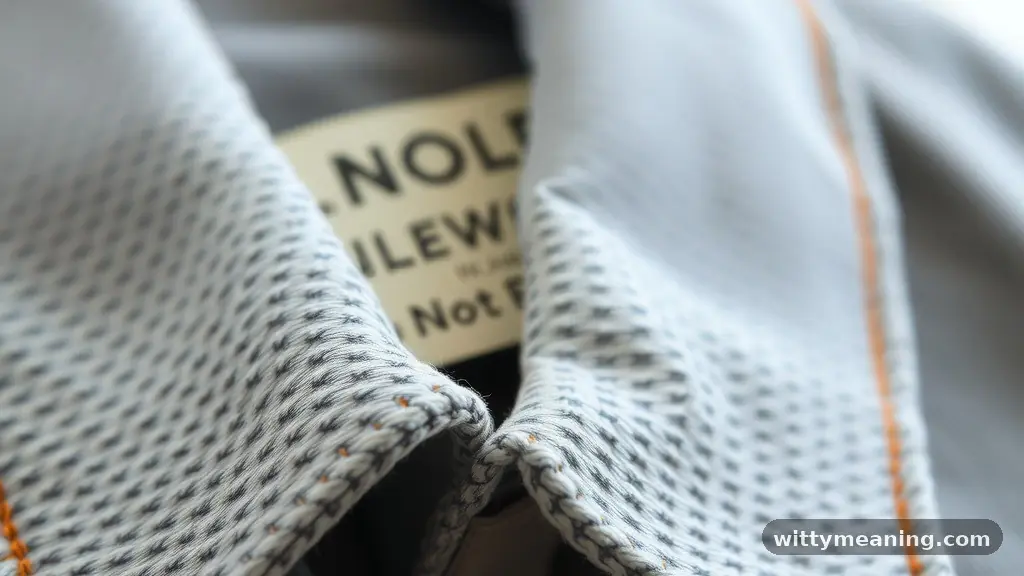
One of the secondary benefits of finding an item marked as NWT is the ease of clothing authentication. When you purchase a luxury item, the presence of the original store tags often includes specific barcodes, serial numbers, or security holograms that are much harder to forge than the garment itself. If you are comparing a listing to a stock photo provided by the manufacturer, the tag acts as a crucial link.
However, buyers should remain vigilant. While the nwt meaning is straightforward, some unscrupulous sellers may reattach tags to used clothing to inflate the value.
Always check the seller’s feedback and look for photos of the tag that clearly show it is securely fastened to the manufacturer’s stitching. If the tag looks like it has been pinned on or is dangling from a generic piece of string, it is worth asking the seller for additional photos to verify its authenticity before committing to a purchase.
Impact of NWT on Resale Value
The secondary market operates on a supply and demand model where condition is king. An item listed as NWT will almost always command a higher price than a similar item that has been worn.
This is because the buyer is not just paying for the item; they are paying for the “newness” and the peace of mind that comes with it. In some cases, NWT items can even fetch prices close to their original retail value, especially if the item is sold out in stores or is part of a limited collection.
Sellers who understand this dynamic often keep their items in the original packaging or store bags to maintain that “fresh from the store” appeal. When you are looking to flip items for profit, focusing on NWT goods is a common strategy because the garment condition is objective rather than subjective. There is very little room for debate when a tag is attached, which helps prevent disputes and returns after the item has been delivered.
How Sellers Use NWT to Optimize Listings
For those listing items on platforms like Depop or Mercari, using the term correctly is a fundamental part of search engine optimization within the app. Including “NWT” in your title ensures that your listing appears when users filter by “New” condition. This is a simple but powerful way to increase the visibility of your items.
Beyond the title, savvy sellers include descriptions of the tags themselves. Mentioning things like “original retail price sticker still on” or “manufacturer plastic wrap intact” adds layers of credibility to your post.
This level of detail helps potential buyers feel confident that they are getting authentic merchandise rather than a counterfeit or a used item being passed off as new. The more information you provide, the less likely a buyer is to message you with basic questions, which streamlines the entire selling process.
The Concept of Deadstock and Its Relation to NWT

In the sneaker and streetwear community, you will often hear the term “deadstock” used alongside NWT. While they share the nwt meaning of an item being brand new, deadstock implies that the item is no longer being produced or sold by the primary retailer. It is a more specific term often reserved for rare finds or vintage pieces that have remained untouched in storage for years.
While an NWT shirt might be from this season’s collection, a deadstock item is usually a “holy grail” for collectors. Understanding this distinction is important if you are shopping in niche markets.
If you see a listing labeled as both NWT and deadstock, you are essentially looking at an item that is in the best possible condition you could ever hope to find. This combination usually signals a high-value collector’s item that should be handled and stored with extreme care.
Common Misconceptions About NWT Items
One common mistake is assuming that NWT automatically means the item is flawless. While it is rare, items can sustain damage while sitting in storage or during the shipping process from the original manufacturer.
A garment might have a snag or a small stain even with the tag still attached. This is why it is essential to read the full description and look at all the photos, regardless of the condition label.
Another misconception is that NWT items are always current season. A seller might have bought a piece five years ago and left it in their closet with the tag on.
In this case, the item is technically NWT, but it is not “new” in the sense of being a current trend. Always check the style, brand, and any date codes on the tag to ensure the item meets your expectations for modern fashion or specific taste.
Best Practices for Buying NWT Items
When you decide to purchase an item based on its NWT status, there are a few steps you can take to protect your investment. First, always review the return policy of the specific platform you are using. While most individual sellers on sites like Poshmark do not accept returns for personal preference, they should accept returns if the item is significantly different from the description—such as if it arrives without the tags or shows clear signs of wear.
* Request close-up photos of the tag to ensure it hasn’t been reattached.
* Check for any signs of storage issues, such as dust or mothball odors.
* Verify the brand’s sizing charts, as you cannot try the item on beforehand.
* Ask the seller if the item comes from a smoke-free or pet-free home if allergies are a concern.
By following these simple guidelines, you can minimize the risks of shopping for goods on the secondary market. Buying NWT is the safest way to enjoy the perks of brand-new products while taking advantage of the competitive pricing found on resale apps.
Addressing Topical Gaps: NWT in Different Contexts
While we primarily associate the nwt meaning with retail clothing, you might occasionally see the acronym pop up in other contexts. For instance, in some shipping or logistics discussions, it might be confused for regional abbreviations, but in the context of consumer goods, it almost exclusively refers to the condition of the product. It is worth noting that some sellers might use “NWT” in their profile names or shop bios to signal that they specialize in brand-new inventory, which can be a helpful indicator of what kind of shop you are browsing.
Another gap often missed is the environmental impact of NWT items. Many people turn to resale platforms to reduce waste, and buying NWT items is a fantastic way to keep perfectly good products out of landfills.
Even if an item was bought and never worn, it is still a “new” product that doesn’t require the resources needed to manufacture a fresh one. By choosing NWT on a resale app, you are participating in a circular economy that prioritizes sustainability without sacrificing the quality of your wardrobe.
FAQ Section
Does NWT always mean the item was just bought?
No, it simply means the original tags are still attached. A seller could have purchased the item years ago and kept it in their closet. Always check the item’s style or collection date if you are looking for current, trendy fashion pieces.
Can I return an item if it is listed as NWT but arrives used?
Yes, most major resale platforms have buyer protection policies. If an item is listed as NWT but arrives in a used or damaged condition, you should open a dispute immediately with the platform’s support team to receive a refund for the inaccurate description.
Is there a difference between NWT and factory sealed?
Yes, factory sealed usually refers to items in original plastic packaging, common for electronics or beauty products. NWT is specifically for items that had a retail price tag attached, typically clothing or accessories. Both signify that the product has not been opened or used.
Why would someone sell an NWT item for less than the price on the tag?
Sellers often do this to clear out inventory or because they bought the item on sale originally. They may also be motivated by a desire to recoup some of their money quickly rather than waiting for a higher offer, which benefits the buyer.
Final Thoughts on Understanding NWT
Mastering the nwt meaning is a small but powerful step toward becoming a more confident and efficient online shopper. By recognizing this shorthand, you gain the ability to quickly filter through thousands of listings to find the high-quality, unworn items you desire. Whether you are hunting for a specific designer piece or just looking for a deal on everyday essentials, knowing that “New With Tags” is your indicator of quality will save you time and help you avoid unnecessary disappointment.
As you continue to explore the world of online marketplaces, keep an eye out for these status labels and don’t be afraid to ask sellers for clarification. Clear communication is the foundation of a successful transaction, and knowing the terminology is the first step toward getting exactly what you pay for. Happy thrifting and enjoy the satisfaction of finding those hidden gems in perfect, factory-fresh condition.