

If you have spent any time browsing Instagram hashtags or reading through medical journals, you might have encountered the acronym MUA and wondered about its specific context. While the term is most commonly associated with the beauty industry, it holds a completely different, highly technical significance in the world of orthopedic surgery.
Understanding the mua meaning depends entirely on the environment in which the term appears, as it bridges the gap between creative cosmetics and clinical pain management. This article breaks down both sides of the acronym to ensure you never confuse a makeup artist with a medical procedure again.
The Professional Role of a Makeup Artist
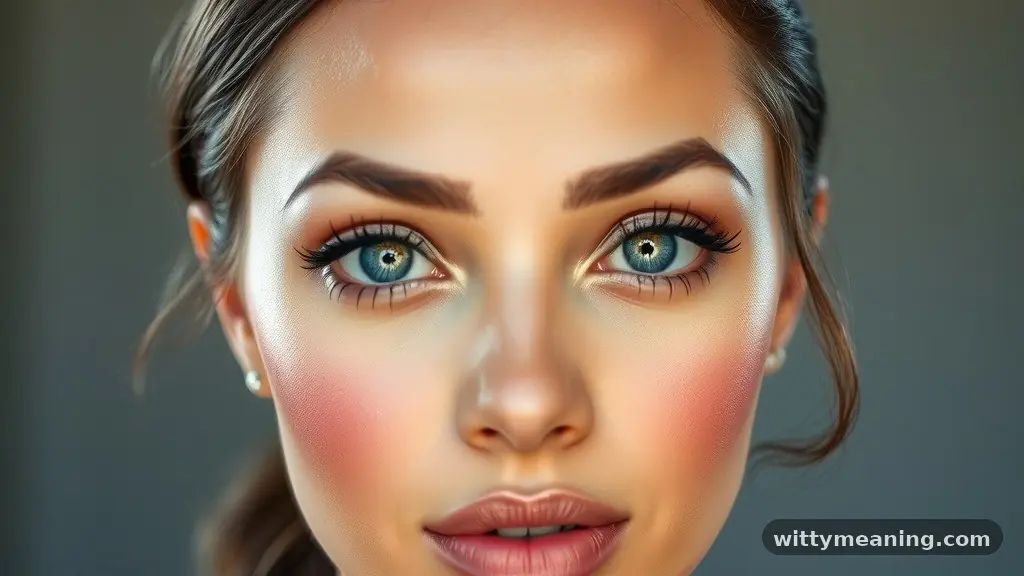
In the vast majority of social media interactions, MUA stands for makeup artist. This professional is a creative expert trained in the application of cosmetics to enhance or alter a person’s physical appearance. Whether they are working on film sets, fashion runways, or for private clients, these professionals possess a deep understanding of color theory, facial structure, and product chemistry.
Modern professional aesthetics have evolved significantly thanks to the rise of digital platforms. Today, a makeup artist is often a brand in their own right, utilizing influencer marketing to showcase their portfolio to a global audience. They do not merely apply foundation or lipstick; they act as consultants who help clients achieve a specific look for high-stakes events, such as weddings or televised appearances.
Understanding MUA in the Beauty Industry
When someone refers to themselves as an MUA on platforms like TikTok or Instagram, they are signaling their expertise in beauty services. This role involves more than just manual skill. A successful practitioner must balance hygiene standards, client communication, and the ability to adapt to ever-shifting beauty trends.
The scope of work for these professionals often includes:
- Executing intricate bridal makeup looks for long-lasting wear.
- Providing specialized cosmetic application for editorial photography.
- Consulting on skincare routines and product selection for clients.
- Managing a freelance beauty business, including scheduling and inventory.
- Staying updated on new formulations and ethical beauty standards.
Because the barrier to entry for this field can be low, many professionals seek out professional certification to distinguish themselves. While a license is required in many regions to work in a salon, the digital landscape allows many talented individuals to build reputations through sheer skill and consistency.
The Medical Definition: Manipulation Under Anesthesia
Stepping away from the vanity mirror and into the operating room, the mua meaning shifts to Manipulation Under Anesthesia. This is a specialized orthopedic surgery procedure used to treat chronic pain and restricted movement. Unlike the artistic application of beauty products, this process is strictly clinical and requires a team of medical professionals to execute safely.
Doctors typically recommend this procedure for patients who have hit a plateau in their recovery. It is often reserved for conditions like frozen shoulder, joint contractures, or severe scar tissue that prevents a patient from regaining their normal range of motion. By placing the patient under anesthesia, the physician can bypass the body’s natural defense mechanism—the pain reflex—which usually causes muscles to tighten when a joint is moved forcibly.
How the Medical Procedure Works
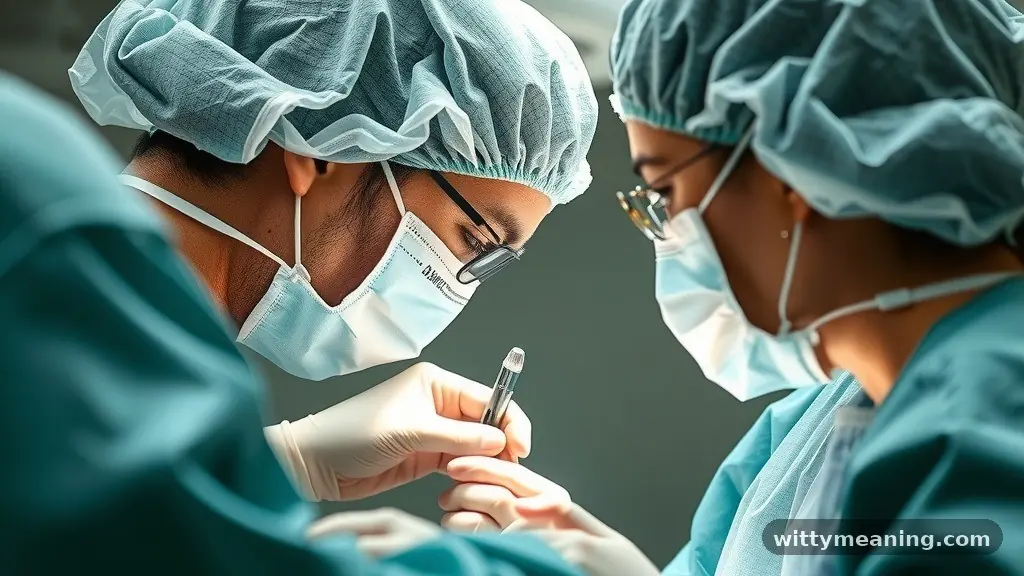
The primary goal of this procedure is to break up internal adhesions and restore mobility to a stiff joint. When a patient is unconscious, their muscles are fully relaxed, allowing the surgeon to perform joint mobilization without the patient fighting against the movement. This is a deliberate, controlled application of force that pushes the joint through its full range of motion.
The process is generally structured as follows:
| Stage | Clinical Focus |
|---|---|
| Preparation | Patient evaluation and anesthesia administration. |
| The Manipulation | Controlled force to break scar tissue and adhesions. |
| Post-Procedure | Immediate post-operative care and mobilization. |
| Rehabilitation | Ongoing physical therapy to maintain new range. |
Following the procedure, the patient is monitored closely as they wake up. Because the body has been subjected to significant stress during the manipulation, the focus immediately shifts to managing inflammation and preventing the scar tissue from reforming.
The Role of Physical Therapy Following MUA
A surgery is only as successful as the recovery process that follows it. In the context of orthopedic surgery, a manipulation procedure is rarely the final step.
Patients are almost always required to engage in intensive physical therapy immediately after the procedure. Without consistent movement, the body will naturally attempt to heal the broken adhesions by forming new, tighter scar tissue, effectively undoing the progress made in the operating room.
The therapist works to maintain the gains achieved during the procedure. They utilize gentle stretching, heat therapy, and specific exercises to ensure that the joint does not “freeze” up again. This partnership between the surgeon and the therapist is critical; the surgeon provides the mechanical correction, while the therapist provides the long-term maintenance of that correction.
Distinguishing Between Contexts
It is easy to see how confusion arises when these two definitions share an acronym. If you are reading a post about a wedding, the author is clearly talking about an aesthetician or beauty professional. If you are reading a medical chart or a patient forum regarding chronic pain, the topic is definitively the surgical intervention.
Context clues are your best friend here. Terms like “blending,” “pigment,” “highlight,” or “contour” are dead giveaways that you are dealing with the world of cosmetics. Conversely, if you see words like “orthopedic,” “sedation,” “adhesions,” or “rehab,” you are almost certainly looking at the medical definition of the term.
Common Misconceptions About the Acronym
One common mistake is assuming that MUA is an official, globally recognized title in the same way “MD” or “RN” is. In the beauty world, it is an informal piece of social media slang.
While many people are highly trained, the title itself is not regulated. Anyone can claim to be a makeup artist on their social media profile, regardless of their formal training or experience level.
In the medical world, the term is a formal piece of healthcare terminology. It is a specific, billable procedure that requires strict adherence to surgical protocols. People often confuse the two because they see the acronym used in both casual and professional settings, but the reality is that the medical usage is far more rigid and governed by institutional standards.
The Evolution of Beauty Industry Terminology
The rise of the internet has fundamentally changed how we use language to describe professions. Before the era of Instagram and YouTube, a makeup artist was typically someone you only heard about if you were in the film industry or getting married.
Today, the term is ubiquitous. This shift has allowed for a democratization of the craft, where enthusiasts can share techniques and products with millions of people.
However, this has also led to a dilution of the term. The term MUA is now used by hobbyists and professionals alike.
This makes it challenging for consumers to vet the skill level of the person they are hiring. When looking for a professional for a major event, it is always better to look for a portfolio and client testimonials rather than just the acronym in a bio.
Managing Pain and Expectations in Medical Procedures
When a patient undergoes a manipulation procedure, there is often a fear of the unknown. The idea of having a joint moved while you are asleep can be intimidating.
However, for many, this procedure is the only way to escape the cycle of chronic pain. By addressing the physical limitations at the source, it can significantly improve a person’s quality of life.
Success in this area requires a realistic outlook. The procedure is not a magic wand; it is a mechanical intervention.
The patient must be prepared for the work required in recovery. If a patient is not committed to the post-operative regimen, the results will likely be temporary, leading to frustration and potential repeat procedures.
Bridging the Gap Between Two Worlds
While the two meanings of MUA have nothing in common, they both represent a form of specialized service. One service improves a person’s confidence and visual presentation, while the other improves a person’s physical functionality and comfort. Both require a high degree of skill and knowledge of the human body, whether that is the surface of the skin or the mechanics of the joint structure.
As we move forward, the usage of the acronym will likely remain split. The beauty industry will continue to use it as a badge of professional identity on social media, and the medical community will continue to use it as a shorthand for a necessary surgical step. As long as you understand the context of the conversation, you will always be able to determine which MUA is being discussed.
Frequently Asked Questions
Is MUA a formal certification for beauty professionals?
No, MUA is not a formal certification. It is an acronym for makeup artist, often used as a professional title on social media. While many makeup artists hold formal licenses or certifications, the acronym itself does not signify that a person has completed a specific government-regulated training program.
How do I know if MUA refers to a medical procedure?
You can identify the medical usage by the surrounding context. If the text mentions orthopedic surgeons, hospital settings, anesthesia, or physical therapy, it refers to Manipulation Under Anesthesia. If the text mentions brushes, products, weddings, or fashion, it refers to a makeup artist.
Is the medical MUA procedure painful?
The procedure itself is performed under anesthesia, so the patient feels no pain during the manipulation. However, there is typically soreness and discomfort during the recovery phase. Physical therapy is required immediately afterward to ensure the joint remains mobile while the body heals from the procedure.
Can a makeup artist work in a medical setting?
While a makeup artist is a beauty professional, they may work in a specialized field known as paramedical tattooing or restorative makeup. This involves helping patients cover scarring or pigmentation issues resulting from surgeries or medical conditions, but this is distinct from the surgical MUA procedure.
Conclusion
Understanding the nuances behind the term MUA allows you to navigate both the creative digital space and the clinical medical environment with confidence. Whether you are searching for a talented professional to handle your wedding day look or researching potential treatments for a stubborn joint injury, knowing exactly what the acronym implies saves time and prevents confusion. The beauty industry thrives on visual expression and personal style, while the orthopedic field focuses on restoring the mechanics of the human body.
Both are essential in their own right, serving distinct needs within our daily lives. If you have any further questions about these definitions or need help distinguishing between them in a specific context, feel free to reach out and continue the conversation.