

You have likely encountered the acronym while scrolling through social media or participating in online forums, but grasping the exact mfw meaning is essential for keeping up with modern digital communication. At its core, this piece of shorthand is a linguistic tool used to set the stage for a specific emotional reaction.
It acts as a bridge between a written statement and a visual representation of how someone feels in a particular moment. Understanding how to use it correctly—and how others are using it—will help you decode the nuances of internet culture, whether you are browsing casual threads or interacting on fast-paced messaging apps.
Understanding the Basics of MFW
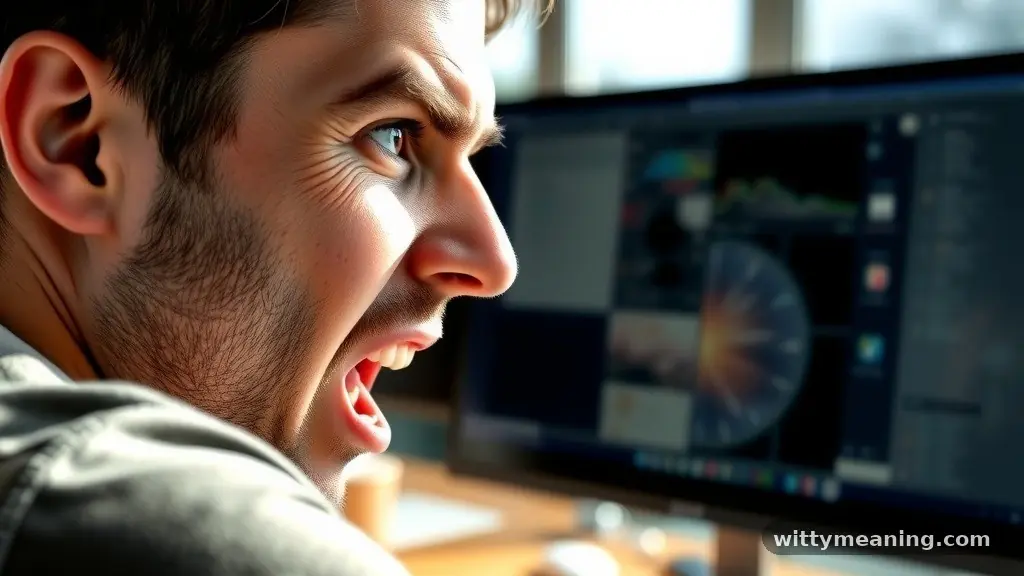
The acronym stands for “my face when.” It is a staple of internet slang that functions as a preface to a description of an event or a scenario.
By typing these three letters, a user is essentially telling their audience that the following sentence serves as the setup for a visual reaction. This visual is almost always a photo, a GIF, or a video that captures a specific facial expression, which in turn conveys the exact mood or sentiment the user is trying to communicate.
When someone writes “MFW,” they are inviting the reader to imagine a very specific, often relatable, reaction. It turns a static text post into a performance. You might see a post that reads, “MFW I realize I left the oven on before leaving for vacation.”
The text provides the context of the panic, and the user then attaches a corresponding visual to show the sheer horror or stress on their face. This shorthand is incredibly efficient because it replaces a long paragraph of emotional description with a single, punchy image.
The Origins and Evolution of MFW
The roots of this term are buried deep in the early days of image-based bulletin boards. Specifically, the Origins and Evolution of MFW trace back to the anonymous culture found on 4chan.
In these spaces, users often shared stories or anecdotes that required a visual anchor to be fully understood. The acronym became a shorthand way to signal that a user had posted a picture to go along with their narrative.
As internet culture expanded, the term migrated from niche image boards to mainstream social media platforms. It moved from being a purely functional tag on a bulletin board to a stylistic choice on sites like Tumblr and Reddit. Over time, the requirement to actually include a photo became more flexible.
Today, even if a user doesn’t physically post a picture, the phrase “MFW” still forces the reader to mentally visualize the reaction. It has become a permanent fixture in the lexicon of digital communication, proving that once a meme or a piece of slang takes hold, it rarely disappears entirely.
MFW in the Context of Meme Culture
Meme culture relies heavily on the ability to convey complex emotions with minimal effort. Because internet slang evolves rapidly, terms that allow for this kind of efficiency tend to stick around.
When you use this acronym, you are tapping into a shared language that millions of people recognize instantly. It is rarely used in formal settings, but within the world of social media, it is a primary way to establish relatability.
Think of it as the digital equivalent of a shrug or an eye-roll. When you share a post, you want your audience to feel what you are feeling. By using this shorthand, you are essentially curating the emotional experience for your followers.
It bridges the gap between the screen and the person reading, making digital interactions feel more human and expressive. This is why it remains a cornerstone of how we share funny or frustrating experiences online.
MFW Across Different Platforms
The way this acronym is used can vary significantly depending on where you are posting. On platforms like Twitter, it is often paired with a short, punchy sentence and a high-quality GIF. The brevity of the platform encourages the use of such shortcuts.
In contrast, on platforms like Discord, it might appear in a more conversational, real-time flow. In these spaces, it acts as a bridge between the user’s personality and their typed messages.
| Platform | Primary Usage Style | Visual Preference |
|---|---|---|
| Humorous, viral-focused | GIFs or short video loops | |
| Discord | Conversational, community-focused | Custom emojis or reaction images |
| Contextual, storytelling-focused | Still photos or linked images |
Each platform has its own set of unwritten rules regarding how these reaction-based phrases should be deployed. While Twitter users might prioritize the funniest possible GIF, Discord users might use it to build rapport within a smaller group. Regardless of the platform, the fundamental purpose remains the same: to show rather than tell.
Distinguishing MFW from Similar Acronyms
It is very common for people to confuse different types of internet shorthand, especially those that look similar on the surface. One of the most frequent points of confusion involves the acronym “MWF.”
While “MFW” is a reaction-based term, “MWF” usually refers to a schedule, standing for “Monday, Wednesday, Friday.” In other, much rarer contexts, it has been used to describe a “Married White Female,” though this is largely outdated and not representative of modern online slang.
It is crucial to look at the surrounding context of a sentence to determine what the acronym is actually trying to say. If the sentence is setting up a scenario followed by an emotional punchline, it is almost certainly “my face when.”
If it is part of a list of days or a scheduling request, it is simply referring to the days of the week. Keeping these distinctions in mind will prevent embarrassing misunderstandings in group chats or professional-adjacent messaging environments.
The Psychology of Reaction Images
Why do we feel the need to use reaction images at all? The answer lies in the limitations of text-based communication. When we speak, our facial expressions, tone of voice, and body language do 90% of the work in conveying emotion.
When we type, we lose all of that. “My face when” acts as a prosthetic for those missing non-verbal cues.
By providing a visual, you are guiding the reader’s interpretation of your words. If you say “I’m so excited” with a picture of a bored person, the reader immediately understands that you are being sarcastic. The acronym provides the framing necessary to avoid ambiguity.
It is a highly effective, albeit informal, method of ensuring your tone is received exactly as you intended. This psychological need for clarity is exactly why the phrase has endured for so long.
Common Misuses and How to Avoid Them

While the term is versatile, it isn’t appropriate for every situation. Because it is inherently tied to meme culture, using it in a formal email to a boss or a client will likely result in confusion. It is best reserved for casual interactions with friends, peers, or online communities where the tone is already relaxed.
Another common mistake is failing to provide the visual anchor. If you write “MFW” but don’t follow it with an image or a link, the impact is lost. The phrase is a setup; if you don’t deliver the punchline, the joke falls flat.
Always ensure that your post includes the necessary context, whether that is a link to a GIF or a description of the expression you are trying to convey. If you are interested in the broader history of how these terms have been documented, you can read more at the Oxford Learner’s Dictionary regarding the evolution of slang.
When to Use MFW in Casual Conversations
The best time to use this shorthand is when you are sharing a relatable experience that has a strong emotional component. It works best for moments of irony, shock, frustration, or pure joy. For example, if you are sharing a story about a ridiculous situation at work, starting your post with “MFW” sets the stage for your reaction to that absurdity.
It is also a great way to signal that you are “in on the joke.” Using internet slang correctly demonstrates that you are familiar with the culture of the platform you are using. It builds a sense of community with others who understand the same shorthand.
However, don’t feel the need to force it into every post. The most effective use of this term is when it comes naturally, serving as a genuine expression of your state of mind rather than just a way to fill space.
The Future of Reaction-Based Slang
As we look toward the future, it is clear that our digital language will continue to evolve. While the specific acronyms we use today might eventually be replaced by new forms of expression, the underlying need to convey emotion visually will remain. We are moving toward more integrated forms of media where video and interactive elements are embedded directly into our text streams.
Even as technology changes, the core idea behind this term—that a picture is worth a thousand words—is more relevant than ever. Whether we are using GIFs, short-form video clips, or augmented reality filters, we will always be looking for ways to show, not just tell. The longevity of this specific term is a testament to the power of simple, effective communication in an increasingly crowded digital landscape.
Addressing Topical Gaps and Common Questions
There is often confusion about whether “MFW” is the same as “MRW.” In practice, they are essentially interchangeable.
“MRW” stands for “my reaction when,” which functions in almost the exact same way as “my face when.” Some users prefer one over the other based on regional trends or the specific community they frequent, but the meaning remains consistent across both.
Another point of confusion is the relationship between this term and “reaction images” as a broader category. While “MFW” is a specific way to introduce a reaction, a reaction image is the object itself.
You can post a reaction image without using the acronym, but using the acronym almost always implies that a reaction image is imminent. Understanding this distinction helps you participate in these conversations with more confidence.
Frequently Asked Questions
What does MFW mean in texting?
In a text message, it stands for “my face when.” It is used to indicate that you are about to describe a situation and the expression you made in response to it. It helps convey tone and humor in short, text-based messages.
Is MFW only used for funny posts?
Not necessarily. While it is often used for humor or sarcasm, it can also be used to convey shock, sadness, or disbelief. The emotional range of the acronym depends entirely on the image or GIF that you choose to pair with your text.
Can I use MFW in professional emails?
It is strongly recommended that you avoid using this acronym in professional or formal settings. It is considered very casual internet slang and may be viewed as unprofessional or confusing by colleagues or clients who are not familiar with meme culture.
What is the difference between MFW and MRW?
The difference is negligible. “MFW” stands for “my face when,” while “MRW” stands for “my reaction when.” Both serve the same purpose of introducing a visual reaction to a specific scenario, and they are frequently used interchangeably by internet users.
Conclusion
Mastering the use of internet slang is a small but significant part of navigating the modern digital world. By understanding the mfw meaning, you gain access to a quick and effective way to inject personality and emotion into your online interactions. It serves as a bridge, helping you communicate your reactions clearly and concisely, whether you are sharing a laugh on social media or connecting with friends on messaging apps.
As you continue to engage with online communities, remember that the most effective communication is authentic and context-aware. Use this acronym when it feels right, pair it with the perfect visual, and enjoy the way it brings your stories to life. If you have any other questions about the evolving language of the internet, feel free to dive deeper into the nuances of these digital shorthand tools.