
When you receive a message containing the word “aww,” it usually signals an immediate shift in the tone of your digital conversation. Understanding the true aww meaning requires looking past the simple letters to the underlying sentiment of tenderness or affection being conveyed.
Whether it’s used to acknowledge a cute photo of a pet or to soften a romantic exchange, this interjection serves as a powerful bridge in modern text messaging. By exploring how this term functions across different social contexts, you’ll gain a better grasp of how people use brief, informal language to bridge the emotional gap created by screens.
The Linguistic Roots of Aww
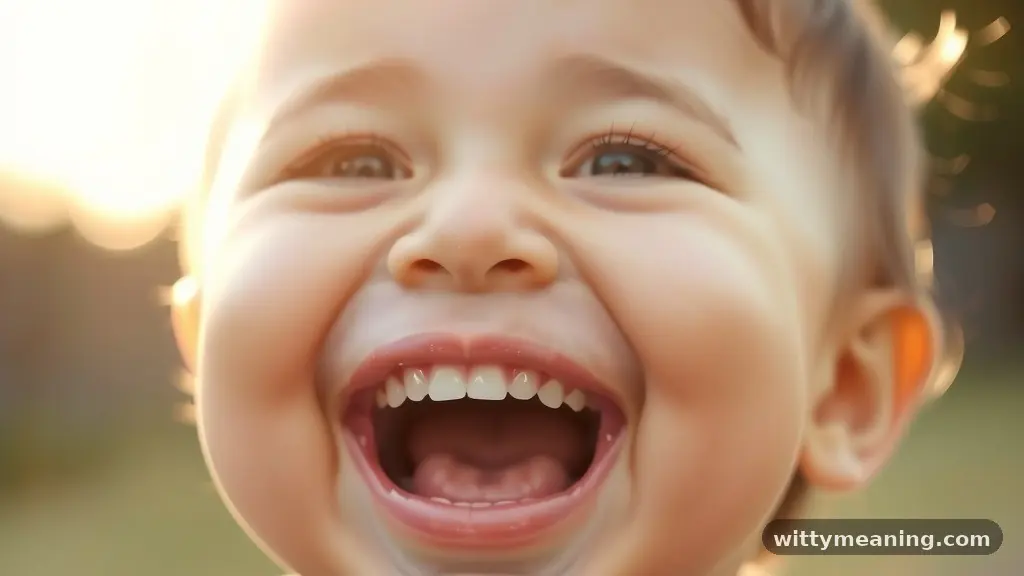
At its core, “aww” is an interjection that mimics the natural, involuntary sound humans make when they experience a sudden surge of warmth or pity. It is a vocalization of an emotional response that has been successfully transcribed into written form. Linguists often classify such terms as onomatopoeic, as the spelling attempts to capture the soft, drawn-out vowel sound that typically accompanies a feeling of adoration.
In the realm of digital communication, it functions as a shorthand for complex human reactions. Rather than typing out a full sentence to explain that something is sweet, endearing, or slightly pitiful, the user relies on this single syllable to do the heavy lifting. It acts as a sonic bridge, allowing the reader to “hear” the tone of voice intended by the sender.
This linguistic nuance is vital because, without the physical presence of the speaker, we often struggle to interpret the sincerity behind a message. By using “aww,” the sender provides a clear cue that they are responding with kindness or genuine interest.
Aww Meaning in Text Messaging
When someone uses “aww” in a text, they are almost always signaling a positive, soft-hearted reaction to what you just shared. It is the digital equivalent of a gentle smile or a light touch on the arm. Because text messaging lacks the non-verbal cues of face-to-face interaction—like body language or facial expressions—this term helps to ground the conversation in a specific emotional space.
If you share a photo of your new puppy or a story about a thoughtful gesture, receiving an “aww” back confirms that the recipient has picked up on the intended sentiment. It validates your experience and creates a sense of shared empathy. However, the exact weight of the word can shift depending on the history of the relationship.
Between close friends, it might be an casual acknowledgment of something sweet. In a developing romance, it can carry much more weight, acting as a subtle indicator of growing feelings or a desire to appear vulnerable and receptive to your charms.
Interpreting Aww from a Romantic Interest
Deciphering the aww meaning when it comes from a romantic interest is a common source of curiosity. When a person you are dating or interested in uses this term, it often serves as a form of light flirtation. It suggests that they are paying close attention to your vulnerabilities or your “cute” moments and that they feel comfortable enough to express softness toward you.
Consider the context in which it appears. If you send a thoughtful message and receive a simple “aww,” it often indicates that they find your sentiment endearing. It is a way for them to lower their guard and show that they are emotionally engaged.
Sometimes, it acts as a safe, low-stakes way to express affection without being overly dramatic. If the conversation is heavy or serious, an “aww” might be their way of offering sympathy or support, showing that they are tuned into your struggles and care about your well-being. It is rarely a neutral response; it is almost always an active choice to show warmth.
The Role of Emojis and Punctuation
The way “aww” is typed often changes its meaning significantly. A simple “aww” might feel sincere and straightforward, but adding an emoji or specific punctuation can shift the tone entirely.
For instance, “Aww!” with an exclamation point usually conveys excitement or genuine surprise. In contrast, “aww…” with an ellipsis can feel a bit more contemplative, perhaps suggesting a mix of sympathy and gentle sadness.
Emojis play a massive role in clarifying the intent behind this digital interjection. Pairing the word with a heart-eyes emoji, a smiling face, or even a teary-eyed emoji creates a specific emotional frame. You can think of the word as the foundation of the sentiment and the emoji as the color that fills it in.
When analyzing these messages, don’t just look at the letters; look at the visual context provided by the symbols that accompany them. This combination is a staple of modern digital communication, providing the nuance that text alone sometimes lacks.
Differentiating Between Adoration and Pity
One of the most interesting aspects of the term is its dual nature. It can be used to express intense adoration, such as when looking at something objectively cute, or it can be used to express sympathy, such as when hearing about a minor misfortune. Understanding the difference often comes down to the subject matter of the conversation.
| Context | Primary Sentiment | Example |
|---|---|---|
| Seeing a baby animal | Adoration/Joy | “Look at this puppy! Aww!” |
| Hearing about a setback | Sympathy/Compassion | “I lost my keys today. Aww, I’m sorry.” |
| Receiving a gift | Gratitude/Warmth | “I got you this. Aww, that’s so sweet!” |
The table above illustrates how the subject matter dictates the specific flavor of the emotion. When the trigger is positive—like a gift or a cute photo—the term leans toward affection.
When the trigger is negative—like a minor injury or a stressful day—it leans toward comfort. Recognizing this distinction helps you avoid misinterpreting a message of support as something else.
The Influence of Social Media
On platforms like Instagram, TikTok, or X, the use of “aww” has become a public performance of sentiment. When you see a comment section flooded with “aww,” it signifies a collective emotional reaction to a piece of content.
This phenomenon demonstrates how informal language evolves in digital spaces to create a sense of community. By commenting “aww,” users are signaling to the content creator and to other viewers that they share a common emotional baseline.
This public usage often strips away some of the intimacy found in private texting. It becomes a social signal—a way of “liking” something that goes beyond the standard heart icon. It shows that the content has moved the viewer on an emotional level.
In these environments, the word is rarely misunderstood because the context (the video or photo being discussed) is immediately visible to everyone. It is a shared language of appreciation that helps define the culture of the platform.
Common Variations and Spelling

You might notice that people spell the word in different ways, such as “awww” or “awwwwww.” The length of the word is a direct indicator of the intensity of the feeling. A standard “aww” is a polite, moderate response.
Adding more “w”s indicates that the reaction is more intense or more prolonged. It is a way of visually representing the length of a sigh or the depth of the feeling.
This practice is a perfect example of how we adapt our writing to mimic the physical experience of speech. Just as you might draw out the word in real life to show you are really “feeling it,” you do the same in text.
If someone sends you a message with an extra-long “awww,” they are putting extra effort into showing you that they are truly moved. It’s a small detail, but it’s a meaningful one that helps to humanize digital interactions.
Navigating Topical Gaps in Digital Sentiment
Many people wonder if “aww” can ever be sarcastic. While it is almost always used for positive or sympathetic purposes, there are rare instances where it might be used to belittle.
For example, if someone is complaining about something trivial and the response is a patronizing “aww,” it is meant to mock the person’s vulnerability rather than support it. However, this is highly context-dependent and usually relies on an established, perhaps slightly tense, relationship.
Another gap in common understanding is whether men and women use the term differently. While there are stereotypes that suggest women use it more frequently, modern digital communication shows that this is largely a matter of individual personality and social comfort. Men who are comfortable expressing vulnerability often use the term just as effectively as women.
The key is to avoid making assumptions based on gender and instead focus on the specific dynamic you have with the other person. If you are ever unsure of the meaning, the best approach is to observe the consistency of the behavior over time.
The Intersection of Empathy and Digital Interaction
At its heart, the use of “aww” is an exercise in empathy. It requires the sender to step into the shoes of the other person and recognize that their experience—whether it’s a moment of joy or a moment of sadness—is worthy of a kind acknowledgment. In an era where digital communication is often criticized for being cold or detached, this simple term acts as a necessary humanizing force.
The American Psychological Association defines empathy as the ability to understand and share the feelings of another. By using “aww,” we are engaging in a micro-version of this process. We aren’t just reading information; we are reacting to the human spirit behind the words.
This makes the term much more significant than a simple bit of slang. It is a tool for maintaining social bonds and ensuring that our digital interactions remain grounded in genuine human connection.
When to Use Aww in Your Own Writing
Using “aww” effectively comes down to timing and sincerity. You should use it when you genuinely feel a sense of tenderness, warmth, or sympathy.
If you force it, it can come across as disingenuous or patronizing. The best usage happens naturally, in response to content that truly touches you.
Consider these tips for integrating the term into your casual conversation:
- Use it to validate someone’s feelings when they share a personal story.
- Pair it with a compliment to make your words feel softer and more sincere.
- Match the length of the word to the intensity of your actual feeling.
- Combine it with an emoji if you want to be extra clear about your tone.
- Avoid using it in professional settings where a more formal tone is required.
By following these simple guidelines, you can ensure that your digital communication remains warm, authentic, and effective at building rapport with those you talk to.
FAQ
Is using aww considered unprofessional?
Yes, generally speaking, it is best to avoid using this term in formal business communications. It is highly informal and carries an emotional weight that is usually inappropriate for professional reports, emails to clients, or official correspondence. Stick to standard, neutral language in those environments.
Does the number of Ws change the meaning?
Yes, the number of Ws acts as an intensifier. A standard “aww” is a polite or casual reaction, while “awww” or “awwwww” indicates that the person is feeling a much stronger sense of emotion, whether it is deeper affection, more intense sympathy, or overwhelming cuteness.
Can aww be used in a sarcastic way?
While it is rarely used sarcastically, it is possible. If the context is a disagreement or if the person is being condescending, “aww” can be used to mock someone’s feelings. Always look at the surrounding message and your previous history with the person to gauge the intent.
How do I respond when someone says aww to me?
A simple “I know, right?” or a heart emoji is usually a perfect response. The person is acknowledging your sentiment or the content you shared, so a brief, warm follow-up confirms that you are both on the same page. It keeps the positive flow of the conversation going.
Conclusion
Understanding the nuances of digital communication is a process of learning to read between the lines. When you encounter the term “aww,” you are witnessing a small but vital piece of modern language that helps bridge the distance between people.
It is a signal of empathy, a marker of affection, and a way to ensure that our digital lives remain connected to our human instincts. Whether it’s a quick text to a friend or a heartfelt comment on a post, the term allows us to express warmth in a way that feels natural and immediate.
As you continue to navigate your digital social life, keep paying attention to how these small words shape your interactions. By recognizing the care and sentiment behind the words you receive and send, you can foster deeper, more meaningful connections with the people in your life.
Don’t be afraid to use these expressions to soften your messages; after all, a little bit of tenderness goes a long way in our increasingly digital world. Keep communicating with intention, and you’ll find that your online conversations become much more vibrant and human.