

If you have ever spotted the iconic lightning bolt emblem on a vehicle cruising down the highway, you have likely wondered about the deeper Opel meaning behind the name. While many associate the brand exclusively with modern European cars, the story of the company is rooted in a much humbler origin that predates the internal combustion engine.
Understanding the identity of this manufacturer requires looking past the chassis and badges to the industrial landscape of 19th-century Germany. By exploring the evolution of the brand, we can uncover how a small family business transformed into a cornerstone of global automotive history.
The Origins of Adam Opel and His Vision
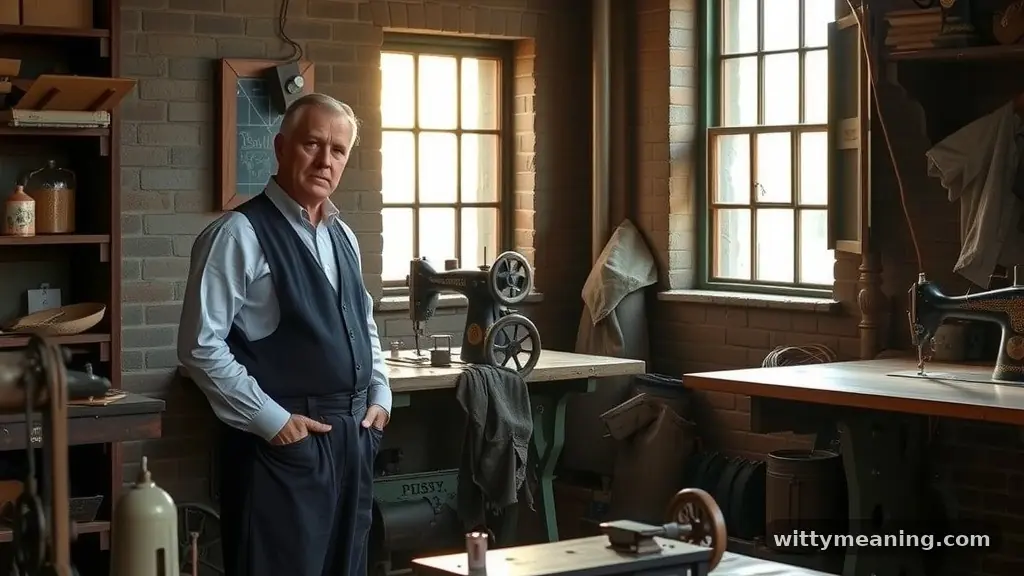
The story begins in 1862 in Rüsselsheim am Main, a small town that would eventually become synonymous with German automotive excellence. Adam Opel, the company founder, did not start by building cars. Instead, he began his entrepreneurial journey by manufacturing sewing machines.
This phase of the company’s life is often overlooked, but it was essential in establishing the core values of precision and reliability that characterize the brand even today. Adam Opel’s dedication to high-quality machinery allowed him to scale his production quickly, turning a local workshop into a significant industrial entity during the height of the industrial revolution.
By mastering the mechanical intricacies of sewing machines, the founder laid the groundwork for what would eventually become a massive vehicle manufacturing enterprise. This period highlights a crucial aspect of the brand identity: the transition from home-based tools to complex transportation.
The success of the sewing machine business provided the necessary capital and technical expertise for the company to diversify its output. It was this initial success that allowed the brand to survive the early competitive pressures of the German market, eventually setting the stage for one of the most recognizable names in the automotive industry.
Transitioning from Sewing Machines to Bicycles
After establishing a firm footing with sewing machines, the company pivoted toward the growing demand for personal transportation in the late 1880s. This shift into bicycle manufacturing was a natural progression for a company that already possessed the tooling and engineering know-how to build precise, durable metal frames.
Opel quickly became one of the largest bicycle manufacturers in Germany, further solidifying its reputation for quality. This era of bicycle production was a critical bridge between the brand’s mechanical roots and its future in motorized transport.
The move into bicycles wasn’t just a business decision; it was a response to the changing mobility needs of the public. By providing reliable bicycles, the company developed a loyal customer base that trusted the name long before the first automobile rolled off the assembly line.
This period of growth is a testament to the company’s adaptability during a rapidly changing era. The lessons learned in mass-producing bicycles—specifically regarding assembly lines and component standardization—would prove invaluable when the company finally turned its attention to the nascent automobile market at the turn of the century.
The Dawn of Automotive Production
The true shift toward the modern automotive legacy began in 1899 when the company produced its first car. This was a monumental moment in German automotive history, as the firm moved from manual machinery to the complex engineering required for motorized vehicles.
Early designs were often collaborations with other inventors, but it didn’t take long for the Rüsselsheim factory to develop its own unique engineering language. The transition was driven by a desire to bring reliable, affordable transportation to a wider segment of the population, a goal that would define the company for decades to come.
As the 20th century progressed, the brand became known for its commitment to German engineering, balancing performance with practicality. Unlike luxury brands that focused exclusively on the wealthy, this manufacturer aimed for the middle market, producing vehicles that were robust enough for daily use yet sophisticated enough to compete on the international stage. This strategic focus on accessible engineering allowed the company to survive the economic turbulence of the early 1900s, including the challenges posed by World War I and the subsequent reconstruction of the German economy.
The Symbolism of the Blitz Logo
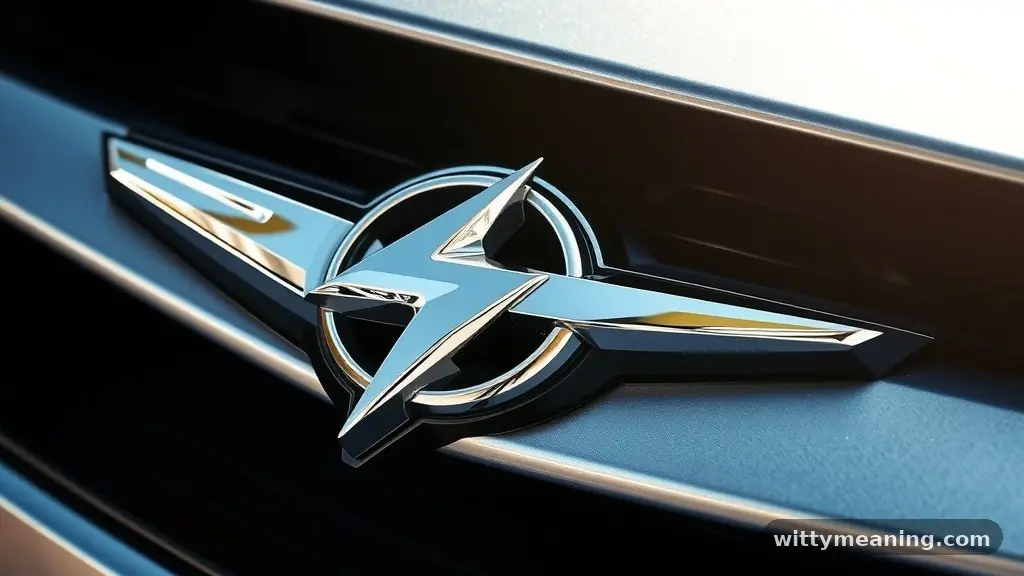
One of the most frequent questions regarding the identity of the brand concerns the meaning of its famous logo. The Blitz logo, which features a stylized lightning bolt, is one of the most recognizable icons in the automotive world.
While it may seem like a modern design choice, its roots are deeply tied to the company’s past. The lightning bolt represents speed, energy, and the power of the engine, but it also pays homage to the “Blitz” truck, a vehicle that was instrumental in the company’s mid-century logistics and commercial success.
The evolution of this logo mirrors the brand evolution itself. Over the decades, the emblem has been refined, flattened, and simplified to reflect changing aesthetic trends, yet the core meaning remains the same.
It serves as a visual shorthand for the company’s commitment to progress and innovation. When you see that lightning bolt today, it connects the viewer to a lineage of engineering that has spanned over a century, moving from the steam-powered era to the modern age of electric mobility.
| Era | Primary Product Focus | Market Position |
|---|---|---|
| 1862–1885 | Sewing Machines | Local Manufacturing |
| 1886–1900 | Bicycles | National Market Leader |
| 1901–1930 | Early Automobiles | Industrial Innovator |
| 1931–Present | Mass-Market Vehicles | Global Automotive Player |
Navigating Corporate Ownership and Alliances
The history of the company is also marked by significant corporate changes that have shaped its current trajectory. For many decades, the brand was a core part of the General Motors portfolio, which provided it with a global reach and access to shared technology platforms.
This long-standing relationship allowed the company to integrate into the global automotive market, benefiting from American scale while maintaining its distinct German engineering philosophy. However, the landscape shifted dramatically in the 21st century as the industry consolidated.
In 2017, the brand was acquired by the PSA Group, which later merged with Fiat Chrysler Automobiles to form Stellantis. This transition was a major turning point, moving the company away from its American parentage and into a European-centric conglomerate.
These changes in ownership are essential to understanding the current Opel meaning in the context of modern manufacturing. Being part of Stellantis has allowed the brand to share platforms, engines, and electrification technology with other iconic marques, ensuring that it remains competitive in an increasingly crowded and tech-driven market.
Topical Gaps: Distinguishing Opel from Vauxhall
A common point of confusion for many consumers is the relationship between this brand and Vauxhall Motors. While the two are essentially sister brands, their historical branding and market presence differ significantly.
The primary reason for this duality is geographic; the company has traditionally focused on the continental European market, while Vauxhall serves the United Kingdom. Because of their shared corporate history under General Motors and now Stellantis, many of their vehicle platforms are identical, leading to cars that are mechanically the same but branded differently for their respective regions.
Understanding this distinction is vital for anyone researching the brand. While you might see a specific model referred to by two different names, the underlying engineering, safety standards, and manufacturing quality remain consistent.
This shared identity is a hallmark of modern automotive manufacturing, where economies of scale dictate that brands under the same umbrella share development costs. For those interested in the history of these vehicles, you can find more detailed records on the official Stellantis website regarding the group’s diverse portfolio and historical timeline.
The Role of German Engineering in Brand Heritage
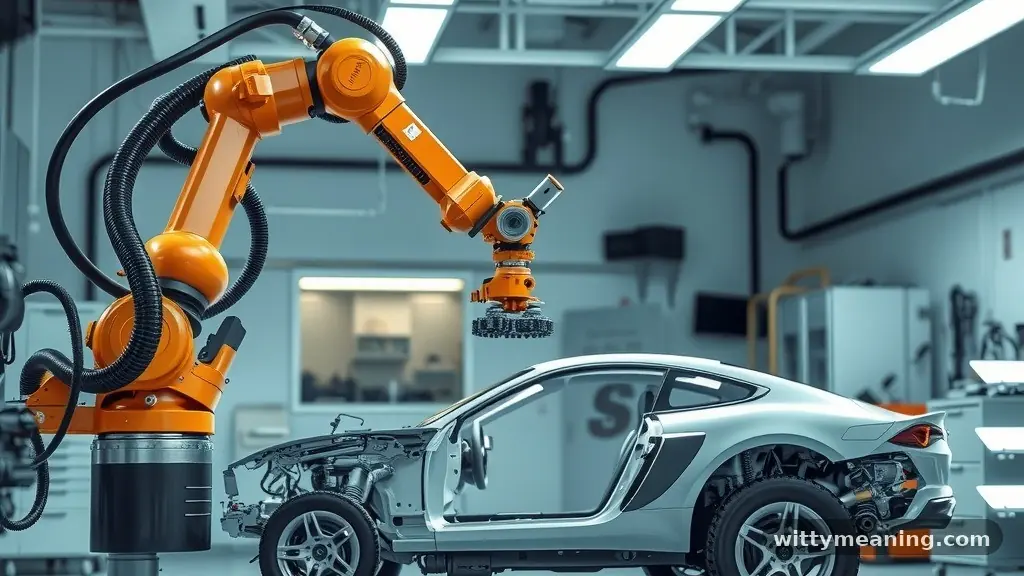
At the heart of the brand’s identity is the concept of German engineering, a term that carries specific expectations of precision, durability, and ergonomic design. Throughout the company’s existence, the focus has consistently been on creating vehicles that provide a driver-centric experience.
This commitment to quality has helped the company maintain high levels of brand recognition across Europe. Even as technology has shifted from mechanical carburetors to sophisticated software-defined vehicles, the goal of creating a reliable, high-performing product has remained constant.
This heritage is not just a marketing slogan; it is reflected in the way the vehicles are tested and refined. The Rüsselsheim headquarters remains a hub of technical development, where engineers continue to push the boundaries of vehicle manufacturing.
By prioritizing high-grade materials and rigorous testing protocols, the company ensures that its products stand up to the demands of daily life. This dedication to quality is why, despite numerous ownership changes, the brand has managed to retain its reputation as a trusted name in the automotive sector.
Modern Challenges and Future Sustainability
As the automotive industry faces the challenge of decarbonization, the brand is undergoing a major transformation. The move toward electric vehicles (EVs) represents the next chapter in its long history of innovation.
By leveraging the technical resources of Stellantis, the company is rapidly electrifying its lineup, aiming to offer a fully electric range in the near future. This shift is not just about changing engines; it’s about re-imagining the brand for a sustainable era while keeping the core values of accessibility and performance intact.
The transition to EVs is perhaps the most significant change since the company first produced an automobile. It requires a complete overhaul of production facilities and a new approach to supply chain management.
However, given the company’s history of adapting from sewing machines to bicycles and then to cars, this pivot is consistent with its past. The future of the brand will likely focus on smart, connected, and sustainable mobility, ensuring that it continues to play a relevant role in the global automotive market for generations to come.
Key Factors Defining the Brand Today
To summarize the current identity of the manufacturer, we must look at the intersection of its rich history and its forward-looking strategy. The following list outlines the core pillars that define the company in the contemporary landscape:
- Historical Branding: A deep connection to Rüsselsheim roots and a legacy of German precision.
- Corporate Identity: A proud member of the Stellantis group, benefiting from global technological synergies.
- Engineering Standards: A focus on durability and driver-focused ergonomics that prioritize user experience.
- Future-Proofing: A committed transition toward electrification and sustainable mobility solutions.
- Market Presence: Strong brand recognition in the European market with an emphasis on mass-market accessibility.
These elements combine to create a brand that is both deeply traditional and modern. By acknowledging its past while aggressively pursuing future technologies, the company maintains a stable position in a volatile industry. Whether you are a fan of classic models or interested in the latest electric offerings, the brand continues to represent a specific blend of history and innovation.
Frequently Asked Questions
Is Opel a German car brand?
Yes, the company is fundamentally a German brand founded in 1862. While it has been owned by various international corporations over the years, its headquarters and core engineering facilities remain in Rüsselsheim am Main, which is the heart of its traditional identity and development process.
What is the relationship between Opel and Vauxhall?
They are sister brands under the Stellantis umbrella. They share the same vehicle platforms, design languages, and mechanical components, but they are marketed differently to cater to specific regions. Opel is primarily for the European market, while Vauxhall is specifically for the United Kingdom.
Does the Blitz logo have a specific meaning?
The lightning bolt, or “Blitz,” represents energy, speed, and the power of the engine. It was adopted to symbolize the company’s progress and efficiency. It also serves as a nostalgic reference to the successful “Blitz” truck line that helped the company grow during the mid-20th century.
Who currently owns the brand?
The brand is currently owned by Stellantis, a multinational automotive corporation formed by the merger of the PSA Group and Fiat Chrysler Automobiles. This ownership provides the brand with access to massive global resources, shared platforms, and a wide range of electrified vehicle technology.
Conclusion
The meaning behind the brand is far more than a simple name on a badge; it is a narrative of industrial evolution and technical resilience. From its humble beginnings in the sewing machine industry to its current status as a key player in the electric vehicle revolution, the company has consistently adapted to the changing needs of society. By maintaining a focus on German engineering and quality, it has successfully navigated the complexities of corporate acquisitions and shifts in the global automotive market.
Understanding this history allows owners and enthusiasts alike to appreciate the craftsmanship that goes into every vehicle. As you look toward the future of the brand, it is clear that the focus on innovation will continue to drive its legacy.
Whether you are exploring the vintage models that defined the company’s early years or considering a modern, electrified daily driver, you are participating in a long and storied tradition of mobility. We invite you to continue exploring the fascinating history of this manufacturer as it enters its next century of progress.