

When you receive a quick message of appreciation after helping someone out, seeing the letters YW pop up on your screen is a common occurrence. Understanding the yw meaning is straightforward, as it serves as the standard digital shorthand for “you’re welcome.” In the fast-paced environment of modern text messaging and instant communication, users often prioritize speed and brevity over formal grammar.
Whether you are chatting with a friend on social media or coordinating a task in a professional Slack channel, this acronym helps maintain a polite tone without requiring you to type out a full sentence. It is a fundamental building block of modern digital interaction.
The Core Definition of YW
At its most basic level, the yw meaning is simply an abbreviation for “you’re welcome.” It functions as a polite response to someone saying “thank you,” “thanks,” or any variation of gratitude.
In the era of mobile messaging, where keyboards are small and thumb-typing can be cumbersome, users naturally gravitate toward shorter alternatives to express common sentiments. By condensing two words into two letters, the sender saves time while still acknowledging the other person’s expression of appreciation.
This type of shorthand is pervasive across nearly every digital platform. From SMS and WhatsApp to Discord and Twitter, you will find users relying on these initialisms to keep the conversation flowing. Because it is so widely recognized, the risk of misinterpretation is almost non-existent.
When someone sends you a favor and you reply with YW, the intent is clear, immediate, and courteous. It effectively closes the loop on a transaction of gratitude without slowing down the momentum of your online chat.
Evolution of Internet Slang and Text Speak
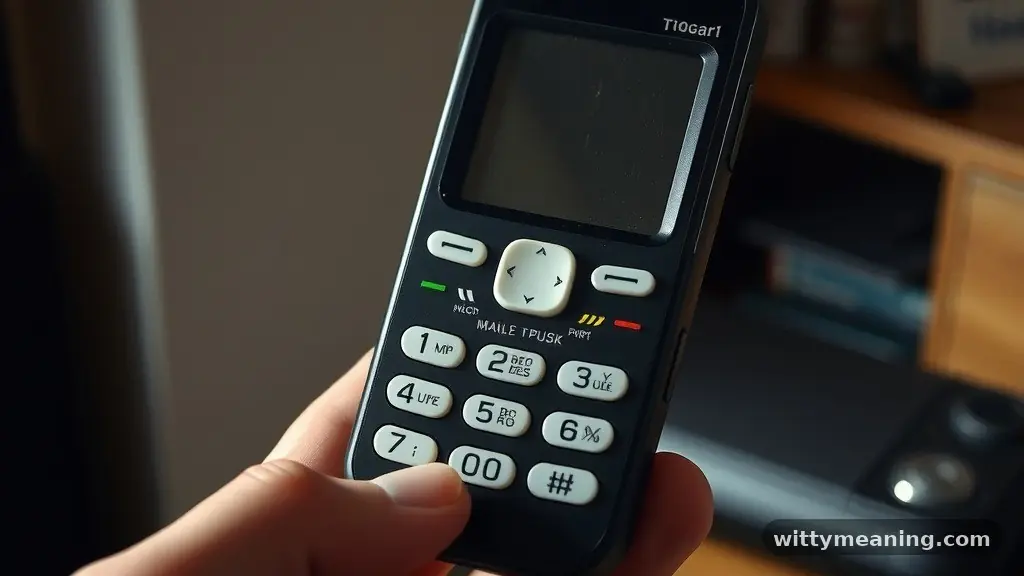
The rise of text speak, including terms like YW, is a direct result of the limitations inherent in early mobile technology. In the late 1990s and early 2000s, mobile phones relied on T9 predictive text or standard multi-tap input, where each keypress required multiple clicks to reach a specific letter.
To minimize the effort required to send a single SMS, users began developing a complex system of abbreviations. This evolution transformed how we think about digital communication today.
While modern smartphones have full QWERTY keyboards and advanced autocorrect features, the habits formed during the early days of texting have persisted. We keep using these acronyms not necessarily because we have to, but because they have become culturally ingrained.
The yw meaning is now a standard part of our digital vocabulary, accepted in almost every informal setting. It represents a shift in linguistic norms where efficiency is valued as highly as clarity, allowing for rapid-fire exchanges that feel more like spoken conversation than formal writing.
Context-Dependent Usage and Tone
While YW is almost always polite, the tone it conveys can shift depending on the context of the conversation. In a casual exchange between close friends, it is a perfectly acceptable, friendly, and efficient way to acknowledge a “thanks.”
However, in more formal business environments, some might perceive the extreme brevity of a two-letter acronym as slightly dismissive or lazy. If you are communicating with a client or a superior, you might choose to spell out “You are welcome” to ensure your professionalism remains unquestioned.
Understanding the nuance of your audience is key to practicing good netiquette. If you are in a high-speed gaming chat, typing “You are very welcome” might feel out of place or overly formal. In that environment, the yw meaning serves its purpose perfectly by being quick and unobtrusive.
Conversely, if a colleague sends a long, detailed thank-you email, a single “YW” might seem like an afterthought. Always consider the medium and the relationship you have with the recipient before hitting send.
Common Variations and Related Acronyms
The digital landscape is filled with various ways to express gratitude and acknowledgement. While YW is the most direct, many users employ other abbreviations depending on the platform or the level of enthusiasm they wish to convey.
For instance, some people prefer “NP” or “N/P,” which stands for “no problem.” While these share a similar function, they carry a slightly different connotation; “no problem” suggests that the favor was easy to perform, whereas “you’re welcome” is a more classic, neutral acknowledgement of gratitude.
To better understand how these terms compare, consider the following table of common digital responses:
| Acronym | Full Phrase | Typical Context |
|---|---|---|
| YW | You’re welcome | Standard, polite reply to thanks |
| NP | No problem | Casual, indicates the favor was easy |
| YWVM | You’re very welcome | More emphatic, polite |
| NVM | Never mind | Used when an offer is no longer needed |
Each of these terms serves as a tool in your digital kit. Using them correctly helps you navigate the complexities of online interactions without needing to type full, grammatically complete sentences every time.
Impact of Platform-Specific Culture
Different social media platforms often develop their own unique dialects. On a platform like TikTok, where the comment section moves at lightning speed, brevity is rewarded.
The yw meaning on TikTok is often used as a quick way to engage with followers who have left positive feedback on a video. Because the platform is built on high-engagement, short-form content, the language used there tends to be highly informal and relies heavily on these types of initialisms.
Gaming platforms represent another distinct environment. During an intense match, players do not have the luxury of typing out long sentences. If a teammate says “thx for the heals,” a quick “YW” in the chat box is the standard expectation.
In these scenarios, the acronym is not just a polite marker; it is a vital piece of functional communication. The culture of the platform dictates the expectation, and failing to adhere to these norms can sometimes make a user seem like an outsider or someone who is not familiar with the rhythm of the game.
The Role of Politeness Markers in Digital Chats
Even in the world of instant messaging, the need for politeness markers remains constant. We are social creatures, and we generally want to signal that we are friendly and helpful. YW functions as a essential tool for maintaining social cohesion online.
Without these small gestures, digital communication could easily feel cold or transactional. By taking the time to acknowledge a “thanks,” even with just two letters, you are reinforcing the social bond between yourself and the other person.
It is interesting to note how these markers have evolved. In the past, letters of appreciation were written with full sentences and formal sign-offs. Today, we rely on a shorthand that prioritizes the immediate feedback loop.
This does not mean we are less polite; it simply means we are expressing our politeness through a different medium. The yw meaning has become a staple of this new etiquette, proving that even in a digital world, manners still hold significant weight.
Addressing Misconceptions and Urban Dictionary Definitions
Occasionally, you might stumble upon more colorful or obscure definitions for common acronyms on sites like Urban Dictionary. It is important to remember that these user-generated platforms often include slang that is highly niche or intentionally humorous.
When looking for the yw meaning, you will find that the vast majority of the public uses it strictly as “you’re welcome.” If you encounter an alternative definition that seems strange or inappropriate, it is almost certainly a joke or a localized piece of slang that has not entered the mainstream.
Do not let these fringe definitions confuse you. The stability of YW as a standard abbreviation is one of its greatest strengths. Because it is so widely understood, it remains one of the most reliable pieces of internet slang.
When you see it, you can be 99% certain the sender is simply being polite. If you are ever in doubt, the context of the conversation will almost always clarify the intent. If you helped someone and they said “thanks,” the acronym that follows is definitely a sign of gratitude.
Tips for Effective Digital Communication
Mastering the art of digital communication involves more than just knowing what acronyms mean; it involves knowing when to use them. Here are a few best practices to keep in mind:
- Assess the relationship: Use YW with friends, family, and coworkers you know well.
- Monitor the platform: Match your level of formality to the app or site you are using.
- Consider the message length: If the other person sent a long, thoughtful paragraph, a single “YW” might feel too brief.
- Don’t overthink it: Most of the time, the simplest reply is the best one.
- Use it to build rapport: Even a quick acknowledgement makes the conversation feel warmer.
By following these simple guidelines, you can ensure that your digital interactions are both efficient and respectful. The goal is to make the other person feel heard and appreciated without creating unnecessary friction in the flow of your conversation.
Topical Gaps: Is YW Becoming Obsolete?
There is occasionally a debate about whether older forms of text speak are becoming obsolete as voice-to-text and AI-assisted typing become more common. While it is true that we can now “speak” our messages into our phones, the habit of using shorthand like YW is unlikely to disappear.
In fact, it has become part of our collective digital identity. Even when using voice-to-text, many users find themselves consciously choosing shorter phrases because they have become accustomed to the brevity of the digital age.
Furthermore, as we move toward more integrated forms of communication, such as smartwatches and augmented reality glasses, the need for short, punchy responses will only grow. These devices often have even smaller interfaces than our phones, making shorthand more useful than ever. The yw meaning is not going anywhere; it is simply transitioning from a necessity born of T9 keyboards to a stylistic choice that defines how we interact in a connected society.
FAQ Section
What does YW mean when someone sends it after I say thanks?
It is simply the standard abbreviation for “you’re welcome.” The sender is acknowledging your gratitude in a quick and polite manner. It is widely used across all social media, text messaging, and gaming platforms as a way to keep conversations efficient and friendly.
Is it rude to use YW in a professional setting?
It depends on the formality of your workplace. In very formal environments, it is safer to type out “You are welcome.” However, in modern offices that rely heavily on instant messaging tools like Slack or Microsoft Teams, using YW is generally seen as perfectly acceptable.
Are there other ways to say you’re welcome online?
Yes, there are several alternatives. You might use “NP” for “no problem,” “Anytime,” or “Happy to help.” These variations provide slightly different tones, with “anytime” sounding a bit more gracious and “no problem” sounding more casual and easygoing depending on the situation.
Does YW have any hidden or negative meanings?
In the vast majority of cases, no. While some niche, user-generated dictionaries might list humorous or slang-heavy alternatives, these are rarely used in actual conversation. If you see YW in a standard chat, you can safely assume it is a simple, polite response.
Conclusion
Understanding the yw meaning allows you to communicate with confidence across a wide variety of digital platforms. By recognizing this common shorthand, you can participate in modern conversations with the appropriate level of speed and politeness. Whether you are gaming with friends or checking in with a colleague, using this acronym demonstrates that you are well-versed in the norms of online interaction.
As digital communication continues to evolve, the tools we use to express ourselves will change, but the core need to acknowledge others remains. Keep using your favorite shorthand to keep your chats moving, but always stay mindful of your audience and the context of your message.
If you found this explanation helpful, feel free to share it with someone who is just getting started with digital messaging. Happy chatting!