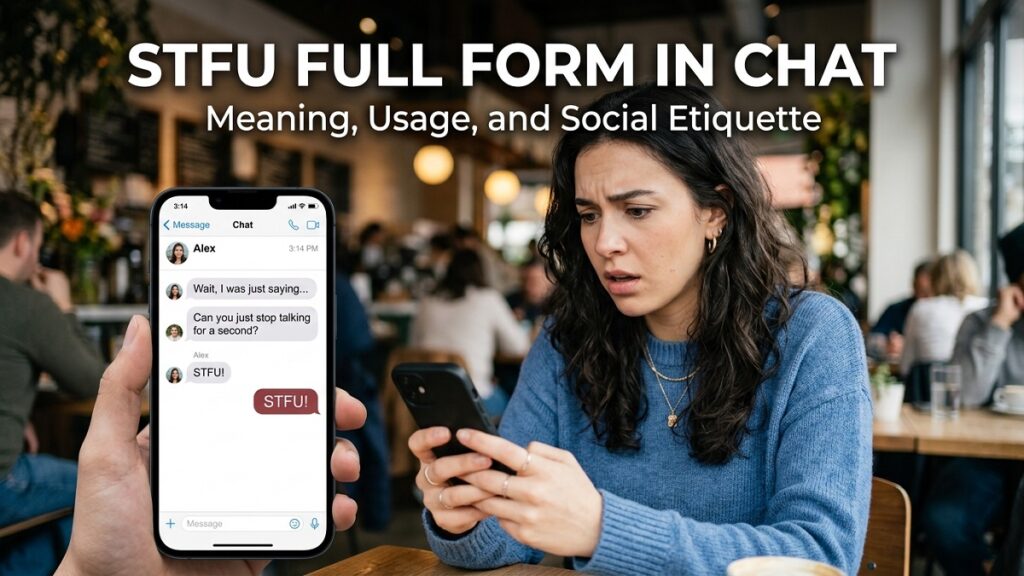

When you encounter the acronym STFU during a conversation, knowing the STFU full form in chat is essential for understanding the tone of the interaction. It stands for “shut the f*** up,” a phrase that carries significant weight in digital communication. While it functions as a piece of common internet slang, its deployment usually signals frustration, annoyance, or an attempt to end a heated exchange abruptly.
Recognizing this shorthand helps you navigate the complexities of online discourse, especially when things start to get heated in group chats or public threads. Mastering these nuances is a key part of modern digital literacy.
Understanding the Meaning and Origin

The phrase is a direct, often aggressive, command used to silence someone. Because it is considered vulgar language, it is rarely used in professional or polite settings. In the realm of texting acronyms, it ranks among the most potent ways to express irritation or to shut down a conversation entirely.
Most users encounter this term on platforms like Discord, Twitter, or various messaging apps where real-time interaction is the norm. It emerged from the early days of internet relay chat and bulletin board systems, eventually finding its way into the mainstream lexicon. While sites like the Merriam-Webster definition of slang provide context for how terms evolve, the specific usage of this acronym remains rooted in emotional intensity.
Social Norms and Digital Etiquette

Using such blunt language often triggers a communication breakdown. In most online communities, throwing this term around is viewed as rude behavior and can lead to immediate social friction. Understanding netiquette is vital because the lack of physical cues in text-based messaging means that aggressive language is almost always perceived as more hostile than it might be in person.
When you use this shorthand, you are signaling that you are no longer interested in a civil exchange. This is why many platforms have strict rules against its use. If you find yourself in a situation where someone drops this acronym, it is usually a sign that the interpersonal conflict has reached a boiling point.
| Context | Typical Perception | Social Impact |
|---|---|---|
| Casual banter with friends | Playful or hyperbolic | Minimal |
| Heated argument with strangers | Hostile or aggressive | High (Risk of block/ban) |
| Professional workspace | Highly unprofessional | Severe (HR intervention) |
Why People Use STFU

People rely on chat abbreviations to save time, but this specific term is almost always about establishing dominance or ending a conversation. It serves as a tool for those who feel overwhelmed by an argument or simply want to dismiss another person’s opinion without further debate.
- Emotional Release: It acts as an instant outlet for frustration when someone disagrees with you.
- Power Dynamics: Using the term can be a way to assert superiority in a digital space.
- Conversation Shutdown: It is the digital equivalent of walking away from a conversation without saying goodbye.
- Hyperbolic Humor: Among very close friends, it can sometimes be used ironically, though this relies entirely on the existing relationship.
Addressing the Topical Gaps

There is often confusion regarding how this term differs from other forms of toxic behavior. While some might conflate it with cyberbullying, context is the deciding factor.
A single use in a heated moment is different from a targeted campaign of harassment. Platform moderation teams usually distinguish between a user getting frustrated and a user engaging in persistent flaming or targeted abuse.
Another gap in common knowledge is the existence of softer alternatives. If you are frustrated but want to maintain a level of decency, there are many ways to express your need for space without resorting to vulgarity. Phrases like “let’s take a break,” “I’m done with this topic,” or simply stepping away from the keyboard are much more effective at de-escalating tension.
Navigating Potential Conflict
When you encounter this term, your reaction defines the next phase of the conversation. If you respond with more aggression, you fuel the cycle of toxic behavior.
Instead, recognizing that the acronym is a symptom of the other person’s frustration can help you remain calm. Often, the best course of action is to disengage entirely.
If you see this language used in a community you moderate, it is important to enforce your rules consistently. Allowing this type of speech to go unchecked can quickly degrade the quality of discourse in your groups, turning a healthy discussion into a toxic environment.
FAQ
Is using STFU always considered harassment?
Not necessarily. While it is aggressive and often rude, context matters. Using it in a heated argument with a friend is different from using it to target someone repeatedly. However, in most online communities, it is considered a violation of basic social norms.
How should I respond if someone says this to me?
The best response is often silence. Engaging with someone who has already used this term usually leads to further conflict. By not responding, you maintain your composure and deny the other person the reaction they are likely looking for in that moment.
Are there less offensive alternatives to this acronym?
Yes. If you feel the need to end a conversation, try saying “I’d prefer not to discuss this further” or “I’m going to step away from this chat for a while.” These phrases are clear, firm, and avoid the unnecessary hostility of vulgar language.
Does this term violate platform rules?
On many professional or strictly moderated platforms, yes. It is frequently flagged under policies regarding harassment, flaming, or offensive speech. Always check the specific community guidelines of the app or website you are using to understand what is permitted.
Conclusion
Understanding the STFU full form in chat is an exercise in recognizing the boundaries of digital communication. While it is a common piece of shorthand, its impact on interpersonal relationships and community health is significant. By choosing your words carefully and knowing when to disengage, you contribute to a much more productive and respectful online space.
If you find yourself frequently using such language, it might be time to reassess your approach to online arguments. Digital literacy is not just about understanding what acronyms mean; it is about knowing how to foster healthy interactions even when you are frustrated. Keep these points in mind the next time you are typing out a reply, and you will find that your online presence becomes much more positive.