

Figuring out exactly what does this mean in texting can feel like learning a second language, especially when shorthand and symbols constantly evolve. Whether you are deciphering a cryptic message from a new acquaintance or trying to read between the lines of a casual chat, understanding the nuances of digital communication is a vital skill today.
Beyond the literal words on your screen, people often rely on shorthand, emojis, and specific punctuation to convey emotions that text alone can’t capture. By breaking down common patterns and the unspoken rules of digital interaction, you can confidently navigate your conversations without second-guessing every single ping from your phone.
Decoding Common Text Abbreviations and Acronyms

Texting is inherently efficient, which is why acronyms and text abbreviations have become the backbone of modern messaging. While some are universal, others shift based on the platform or the age group of the sender. If you see a term you don’t recognize, it is often just a condensed way of expressing a common sentiment or reaction.
- IMO/IMHO: In my opinion / In my humble opinion. Used to soften a statement.
- RN: Right now. Indicates urgency or current status.
- TL;DR: Too long; didn’t read. A summary of a long message.
- ICYMI: In case you missed it. Used when sharing information again.
- IYKYK: If you know, you know. Implies an inside joke or shared experience.
The Role of Punctuation in Digital Tone
In casual conversation, punctuation often does more work than the words themselves. A simple period at the end of a short sentence can change the entire mood of a message, making a friendly comment feel cold or dismissive. This is a classic example of how non-verbal communication translates into text.
When you analyze text message context, pay attention to these subtle punctuation cues:
| Punctuation | Typical Interpretation |
|---|---|
| No punctuation | Casual, relaxed, or hurried |
| Single period | Serious, formal, or potentially annoyed |
| Multiple exclamation marks | Excited, enthusiastic, or urgent |
| Ellipses (…) | Hesitant, trailing off, or implying subtext |
Interpreting Emojis and Tone Indicators
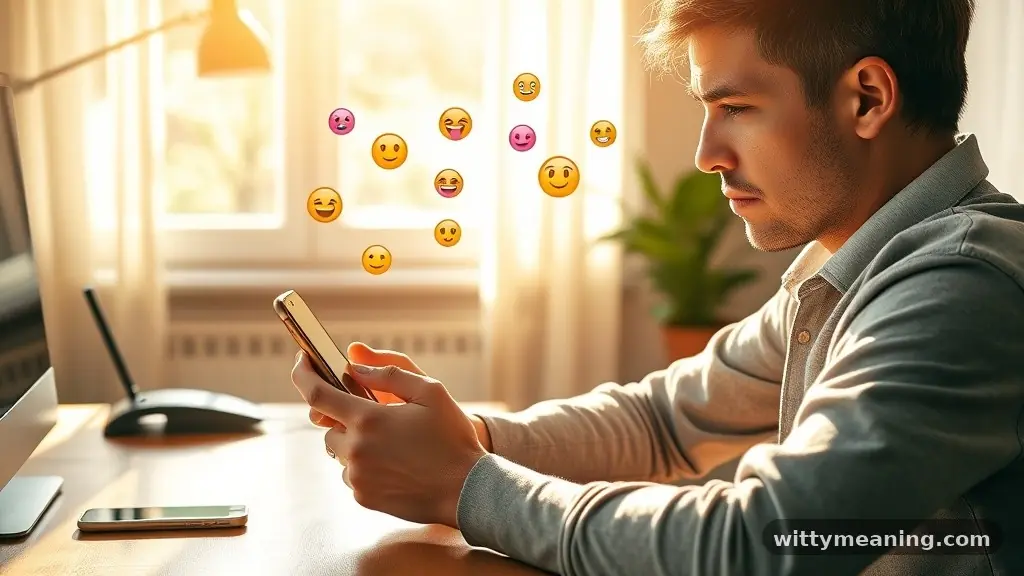
Emoji interpretation is perhaps the most subjective part of texting. A smiley face might be genuinely friendly to one person but sarcastic to another. To avoid confusion, many users have adopted tone indicators—small tags like /s for sarcasm or /j for joking—to clarify their conversational intent.
When you encounter a reaction emoji, look at the timing. If someone uses a heart or a fire emoji immediately after you say something, it is a strong positive signal.
However, if they use a simple “thumbs up” to a long, heartfelt paragraph, they might be disengaging. Always consider the relationship you have with the person before assigning too much weight to a single icon.
Addressing Topical Gaps in Digital Literacy
One of the most frequent questions people have involves interpreting silence and specific behaviors like ghosting or double texting. Understanding these texting patterns requires looking at the bigger picture of your interaction history.
Why Do People Double Text?
Double texting happens when someone sends a second message before the first one is answered. It doesn’t always mean they are desperate or clingy. In many cases, it is simply a reflection of a busy lifestyle where the sender remembered something else they wanted to add. Don’t immediately assume it is a sign of anxiety; view it as a continuation of their original thought.
How to Read Between the Lines of Ghosting
Ghosting is the sudden cessation of communication. While it is frustrating, it is rarely about you personally. Often, it is a sign that the other person is overwhelmed with their own social media interaction or life stressors. If you find yourself in this situation, the best approach is usually to let it be. Pushing for a response often yields a negative result, as it ignores the other person’s implicit need for space.
Managing Expectations in Messaging Platforms

Digital literacy also means understanding the mechanics of the apps you use. Features like read receipts and timestamp analysis can provide clues, but they can also lead to unnecessary stress. Just because someone read your message doesn’t mean they have the emotional bandwidth to reply immediately.
If you find yourself constantly checking if someone is “typing” or when they were last active, you might be over-analyzing the flirting signals or lack thereof. Remind yourself that messaging is asynchronous. People have lives outside of their phones, and a delayed response is usually a reflection of their schedule rather than a lack of interest in the conversation.
FAQ
What does it mean if someone ends a text with a period?
In casual texting, a period can come across as overly formal or even aggressive. It often signals that the sender is serious, curt, or potentially annoyed. However, context is key; if they are a formal person, they might just be using proper grammar.
How do I know if someone is flirting or just being friendly?
Look for consistent patterns rather than single messages. Flirting often includes more frequent communication, personal questions, emojis, and a desire to keep the conversation going. If they put effort into their replies and initiate contact, it is a stronger sign of interest than just responding.
Why do people use tone indicators?
Tone indicators like /s, /j, or /gen help remove ambiguity. Since text lacks vocal inflection and body language, these markers ensure the recipient understands if a statement is meant to be sarcastic, a joke, or entirely genuine, preventing misunderstandings during sensitive or complex discussions.
Is double texting always a bad sign?
Not at all. Double texting is often just a way to add extra information or share a new thought that occurred to the sender. Unless it is accompanied by aggressive or demanding language, it is usually harmless and simply part of how some people naturally communicate.
Refining Your Texting Habits
Mastering the art of digital communication is a continuous process of observation and adjustment. By remaining aware of how shorthand and social cues influence your chats, you can minimize misunderstandings and build stronger connections. Remember that while technology facilitates our interaction, it is the human element behind the screen that truly matters.
If you are ever unsure about what a message implies, the most effective tool is often simple transparency. Asking a clarifying question can save you from hours of overthinking. As you continue to refine your approach to messaging, focus on keeping your own tone clear and authentic, and you will find that the digital landscape becomes much easier to navigate.