
If you have spent any time scrolling through social media or reading through direct messages, you have likely encountered the term “wut.” While it might look like a simple typo at first glance, the wut meaning is actually a deliberate stylistic choice rooted in internet culture.
It serves as a variation of the standard English word “what,” often used to convey specific emotional tones that the original spelling simply cannot capture. By adopting this phonetic spelling, users signal a shift from formal writing to informal communication, allowing for a more conversational tone that feels authentic in fast-paced digital environments.
Understanding why people type “wut” instead of “what” helps you participate more effectively in modern text messaging and community interactions. This term is not just about laziness; it is a tool for expressing nuance, ranging from genuine confusion to heavy sarcasm. As we dive into the evolution of this expression, you will see how it fits into the broader landscape of textspeak and why it remains a staple of digital literacy in the 21st century.
The Core Purpose of Wut in Digital Communication
At its heart, the wut meaning is centered on the expression of reaction. When someone uses this term in a chat, they are usually highlighting a sense of disbelief or bewilderment regarding a previous statement. Because it is a form of abbreviated language, it forces the reader to focus on the tone of the message rather than the mechanical perfection of the sentence.
Expressing Confusion and Disbelief

In many instances, “wut” acts as a shorthand for “Wait, what did you just say?” It is a quick way to signal that the information provided is unexpected, shocking, or completely nonsensical. By stripping away the “h” and the standard vowel structure, the word feels punchier, which mirrors the sudden jolt of surprise a person feels when they are caught off guard.
The Role of Sarcasm and Irony
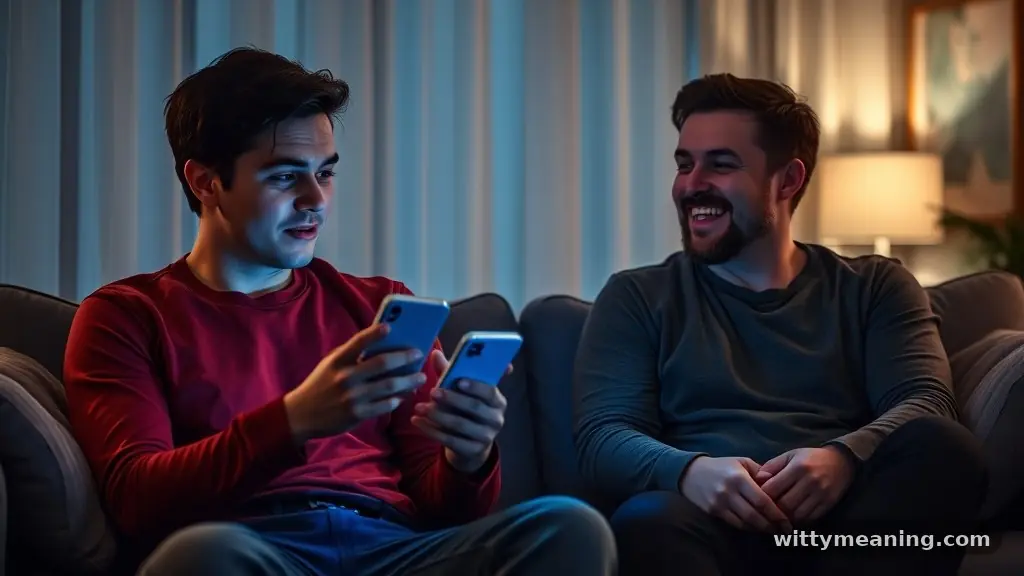
Beyond simple surprise, this term is a common vehicle for irony. If someone sends a message that is intentionally ridiculous or absurd, replying with “wut” implies that the receiver is playing along with the joke. It acknowledges the weirdness of the situation without needing a long, formal explanation. This is a hallmark of meme culture, where brevity often enhances the comedic effect of a post or comment.
Linguistic Evolution and Non-Standard English
The shift toward non-standard English online is a natural outcome of how quickly we type. Tools like Snapchat or TikTok prioritize speed, leading to the adoption of various chat acronyms and intentional misspellings. This is not a degradation of language but rather a form of linguistic evolution where users adapt their vocabulary to fit the constraints and social norms of their digital platforms.
- It emphasizes a casual, low-stakes atmosphere in conversation.
- It allows for the communication of tone that text often lacks.
- It serves as a cultural marker for users familiar with internet norms.
- It provides a shorthand for complex emotional reactions like rage or shock.
Contextual Differences in Usage
Depending on where you see the word, the wut meaning can shift slightly. While it is almost always a variation of “what,” the intensity behind it changes based on the platform and the relationship between the speakers.
| Context | Common Emotional Intent |
|---|---|
| Text Messaging | Casual confusion or playful inquiry |
| TikTok Comments | Public disbelief or shared irony |
| Gaming Chats | Frustration, rage, or rapid-fire reaction |
Is Wut a German Term?
A common point of confusion arises because “wut” is actually a word in the German language, where it translates to “rage” or “anger.” While this is a fascinating linguistic coincidence, it is rarely the intended meaning when used in English-speaking social media. However, in certain high-intensity gaming circles, a user might intentionally leverage the double meaning to express genuine, heated anger, blending the English slang with the German definition.
Addressing Common Misconceptions
Many people look toward an internet slang dictionary or the Urban Dictionary to define these terms, but these sources often miss the fluidity of how language is actually used. A common gap in understanding is the idea that “wut” is strictly for the youth or the tech-illiterate. In reality, it is a marker of someone who is deeply integrated into digital spaces.
Why People Use It Instead of What

The primary reason is the “vibe.” Typing “what” can feel stiff, overly formal, or even confrontational in a casual text thread. Using “wut” softens the edge of the question, making the sender appear more relaxed. It is a subtle way to show that you are not taking the conversation too seriously, which is essential for maintaining a friendly rapport in digital settings.
Frequently Asked Questions
Is using wut considered grammatically incorrect?
In formal writing, yes, it is considered non-standard. However, in the context of digital messaging and social media, it is viewed as a stylistic choice rather than a mistake. It is a form of vernacular that prioritizes social connection over strict adherence to traditional grammar rules.
Does wut always mean the same thing?
Not necessarily. While it consistently functions as a variation of “what,” the tone varies. It can express playful confusion, genuine shock, or even dry sarcasm. The specific meaning depends heavily on the context of the conversation and the existing relationship between the people chatting.
Is wut the same as the German word for anger?
While the spelling is identical to the German word for rage, there is no etymological link between the two in modern internet slang. English speakers use it as a phonetic spelling of “what,” whereas the German term is a standard noun used to describe intense emotion.
Should I avoid using wut in professional emails?
Yes. While it is perfectly acceptable in text messages, DMs, or casual social media comments, it is best to avoid it in professional communication. Using “what” maintains the appropriate level of formality and clarity required for workplace or academic correspondence, ensuring your message is taken seriously.
Final Thoughts on Digital Expressions
The wut meaning is a testament to how language adapts to the tools we use to connect with one another. By embracing phonetic spelling and informal structures, we gain the ability to convey complex emotions in a medium that often struggles to capture tone. Whether you are using it to express mild surprise on a platform like Snapchat or participating in the irony-heavy discourse of TikTok, this term has cemented its place in the lexicon of modern internet culture.
Mastering these subtle shifts in language is a key part of staying connected in an increasingly digital world. As you continue to interact online, feel free to lean into these expressions when the moment calls for a more relaxed and authentic way to communicate your thoughts.